"We are drowning..." - From Lisbon, Milan to Tirana, "The Guardi...
/ 2026-10-18 23:13:32Focus


From The Economist
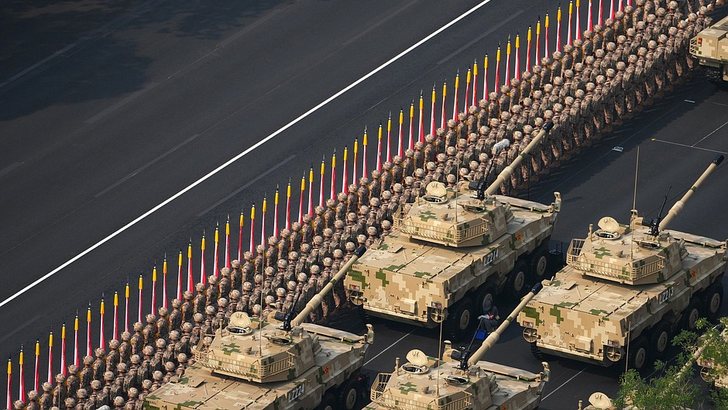
This time they were invited. On May 22, locals cheered as German tanks rolled through the streets of Vilnius, the Lithuanian capital once occupied by the Nazis.
City buses played tribute to the brotherly bonds that bind NATO allies. However, when the Bundeswehr brass band played a rendition of “Glory of Prussia,” some of the German dignitaries gathered for the inauguration of their army’s 45th Panzer Brigade felt a sense of unease. It was only when they saw the beaming faces of their Lithuanian counterparts that they were able to enjoy the show.
The armored brigade, which will number 5,000 by 2027, is Germany's first permanent deployment abroad since World War II. It is also the strongest sign of the extraordinary turnaround undertaken by a country that reaped the full benefits of the peace dividend after 1990, taking refuge under American protection as its own army dwindled and its trade ties with Russia strengthened.
The decision on Lithuania was made in 2023 as part of the Zeitenwende, or "turning point," in security policy pushed by Olaf Scholz, the then-chancellor, after Russia's invasion of Ukraine.
The 100 billion euro spending he initiated has already given Germany the fourth-largest defense budget in the world, the Stockholm International Peace Research Institute calculates.
More to come. Buoyed by a recent decision to loosen Germany's debt curbs, a fiscal straitjacket, the new government plans to further increase defense spending. Indeed, rearmament will become its main mission.
Chancellor Friedrich Merz says he aims to make the Bundeswehr “the strongest conventional army in Europe.” He has also signaled that Germany will sign up to a new long-term NATO defense spending target of 3.5% of GDP, plus 1.5% for related infrastructure, at a summit this month — a total that would translate to 215 billion euros a year at today’s output level. (A budget will follow the NATO summit.)
Like the Lithuanians, almost all of Germany's allies are pleased by the country's belated commitment to European security. Reluctantly, and not without a degree of historically influenced suffering, the Germans themselves are also getting by.
Scholz's fund has largely "filled the gaps," as General Carsten Breuer, the head of the armed forces, put it, but much remains to be done. The next wave of spending will aim to strengthen Germany's role as a "critical pillar" of NATO. Priorities include strengthening air defenses, replenishing ammunition stocks, and building long-range precision strike capabilities.
The officials’ priorities are clear. “Time is of the essence,” says General Alfons Mais, the head of the army, encouraging Germany’s defense industry to focus on mass production. People inside are skeptical about building up domestic or European industry at the expense of ready-made solutions from other countries, such as America, in the name of “strategic autonomy.”
“If we face delays or delivery challenges in the country,” says General Mais, “it is better to follow a broader approach and see who can deliver.”
Some worry that Germany is not learning from Ukraine, with its drone fleets and “transparent” battlefields. “The technology in Germany is amazing,” says Nico Lange, a former defense ministry official. “But the political side doesn’t know how to use it.”
No one wants to fight the last war by building up a stockpile of drones that will quickly become obsolete. But planners also need to make sure that Germany doesn’t become too dependent on legacy systems. “We need a market-oriented industry that innovates, fails in one place and succeeds elsewhere, using private capital,” says Gundbert Scherf, co-CEO of Helsing, a startup focused on artificial intelligence-enabled land, air and sea systems.
Improving the Bundeswehr also means dealing with a slow planning and procurement bureaucracy.
When Merz proposed his change to the debt curb, he said he would do “whatever it takes” to protect peace and freedom in Europe. However, putting money to work inevitably reduces pressure for reform, notes Claudia Major of the German Marshall Fund, a think tank.
Germany’s federal audit office recently called for “far-reaching changes” in a Bundeswehr that it said had become “overburdened” with management. Many experts share this analysis. “Procurement takes too long,” complains General Mais. “Signing a contract is one thing, sending things to the troops is another.”
A common complaint is that Germany “covers up” its processes, imposing onerous requirements, such as ensuring that tanks are suitable for pregnant women. “An 80% solution now is better than a 100% solution in five years,” says Matthias Wachter, head of security policy at the Federation of German Industries. The German IRIS-T air defense system, which has proven itself in Ukraine, is still being tested for domestic use, however.
Përballimi i këtyre pengesave i takon Boris Pistorius, ministrit të mbrojtjes, të cilit i folurit e thjeshtë e ka bërë atë politikanin më të popullarizuar të Gjermanisë. Pavarësisht kësaj, jo të gjithë janë të bindur se ai ka durimin të përballet seriozisht me burokracinë e Bundeswehr-it.
“Ai është ministri më i mirë që kemi pasur prej vitesh”, thotë Sara Nanni, një deputete e Gjelbër në komitetin e mbrojtjes të Bundestagut. “Por ai mund të jetë pak sipërfaqësor”. Një ligj i ri, i quajtur në mënyrë të detyrueshme Planungs- und Beschaffungsbeschleunigungsgesetz (Akti i Përshpejtimit të Planifikimit dhe Prokurimit), synon të lehtësojë disa rregullore. Por vetëm ndryshimi i sistemit mund të mos jetë i mjaftueshëm.
A janë gjermanët gati të bëhen kriegstüchtig, ose “gati për luftë”, siç ka kërkuar Pistorius? Paranojak për rihapjen e përçarjeve sociale të viteve të Covid-19 në një vend që ruan një skepticizëm ndaj forcës ushtarake, Scholz ishte i kujdesshëm në retorikën e tij dhe duke u ndalur në ndihmën e tij për Ukrainën; Merz përdor një ton më të ashpër. Mbeten gjurmë të qëndrimit të vjetër, siç janë ndalimet e vetëimponuara në dhjetëra universitete për pranimin e parave qeveritare për kërkime ushtarake.
Claudia Major shqetësohet se nëse Ukraina detyrohet të bëjë një “armëpushim të ndyrë”, vrulli i viteve të fundit mund të shpërdorohet ndërsa thirrjet për diplomaci dhe ulje të tensioneve me Rusinë po marrin vrull.
Deri më tani, ndoshta për shkak se shmangia e frenimit të borxhit i ka lejuar Gjermanisë të shmangë kompromiset “armë ose gjalpë”, votuesit në përgjithësi i kanë mbështetur ndryshimet. Edhe qëndrimet ndaj ushtrisë po ndryshojnë. Ushtarët çuditen me respektin që hasin tani në jetën e përditshme. “Ndonjëherë kur jam në rrugë, njerëzit më ndalojnë për të thënë, ‘Faleminderit për shërbimin tuaj’ – si në Amerikë!”, shprehet me zë të lartë një oficer kadet.
Një provë më e vështirë do të vijë kur Gjermania të fillojë një debat serioz mbi rivendosjen e rekrutimit ushtarak, i cili u pezullua nën Angela Merkel në vitin 2011. Bundeswehr po përpiqet të rrisë numrin e trupave mbi 180 mijë , shumë më pak se objektivi aktual prej 203 mijë , i cili ka të ngjarë të hiqet pas samitit të NATO-s. Duke pasur parasysh angazhimet e Gjermanisë ndaj NATO-s, Gjenerali Breuer mendon se Gjermania do të ketë nevojë për 100 mijë trupa shtesë, përfshirë rezervistët, deri në vitin 2029.
Për momentin, qeveria e Merz shpreson të arrijë atje me pyetësorë të detyrueshëm për burrat 18-vjeçarë (një zgjerim për gratë do të kërkonte një ndryshim kushtetues). Kjo të paktën do të blejë kohë për të rindërtuar kazermat e shkatërruara të Gjermanisë dhe për të punësuar trajnerët ushtarakë që i nevojiten një ushtrie më të madhe.
But hardly anyone thinks that an element of compulsion can be avoided. “I am absolutely convinced that we will have this debate,” says General Mais. Polls show that a majority of Germans are in favor of reinstating military conscription; support is predictably lowest among young people.
A long march ahead
Germany's various agonies found expression at a recent "Zeitenwende on Tour" event in Görlitz, an East German city on the Polish border where nearly half of voters support the far-right, pro-Russia Alternative for Germany party.
Lange, the former defense official, led a discussion on rearmament before a divided audience. Some angrily blamed NATO expansion for the war in Ukraine, or issued warnings against the arms companies that profited. Others objected. Andre, a hospital worker who had traveled from Dresden to support the rearmament cause, says the issue divides his colleagues 50-50.
“The government should have done this from the beginning,” says Lange, who has been delivering his message to Germans for more than three years. It’s a tough job, especially since Germans are now being asked to make sacrifices on behalf of foreign lands.
In Vilnius, Merz said: “Lithuania’s security is also our security,” a simple statement of his country’s commitment to NATO that also implies tough demands from ordinary Germans. Only now, perhaps, is this message starting to get through.