Is this police force professional and capable of handling violen...
/ 2026-10-16 18:54:07Focus


Recent weeks have shown how quickly situations can change under US President Donald Trump. What could this mean for the Western Balkans?
Yugoslavia's three wars of the 1990s – in Croatia (1991-95), Bosnia-Herzegovina (1992-95) and Kosovo (1999) – finally ended under US leadership. Since then, two military missions led by the EU and NATO have been ensuring peace in these former war zones. But for more than two years, the situation in the Western Balkans has been steadily deteriorating.
The spiral of violence began in December 2022. After representatives of the Serbian minority in the Republic of Kosovo under the guidance of Serbia's capital, Belgrade, left the institutions of the Kosovo state – the judiciary, police and administration – Serbian President Aleksandar Vučić began a buildup of troops on the northern border of the neighboring country.
Former German diplomat Wolfgang Ischinger accused Vučić of wanting to “play the role of a little Putin.” “I find it unimaginable how Vučić and the Serbian leadership are stirring up trouble here. I place the blame for this escalation exclusively on Belgrade.”
Vučić, on the other hand, stressed that Serbia's army would protect the Serbian minority in Serbia's "southern province" - as the leadership in Belgrade still calls Kosovo, which has not been under Serbian control since 1999. During 2023, the situation escalated: In the riots in May, violent Serbs beat and injured 90 NATO soldiers from the peacekeeping force in Kosovo, KFOR.
The situation in Kosovo almost escalated
In September 2023, near the Serbian Orthodox monastery of Banjska in northern Kosovo, there was fighting between Serbian paramilitaries and Kosovo police. Four people were killed and dozens of Serbian paramilitaries led by a Vučić confidant managed to escape to Serbia. They left behind a modern military arsenal worth millions from the Serbian army's reserves, which could have equipped more than 100 fighters.
A larger military operation was apparently planned here – perhaps with the aim of occupying the four northern municipalities of Kosovo, where the Serb minority makes up the majority of the population in the predominantly Albanian country. In October 2023, Vučić then ordered tanks to head towards Kosovo, which were only stopped by diplomatic interventions from Washington and NATO.
In April 2024, US General Christopher Cavoli, NATO's Supreme Allied Commander for Europe, warned the US Congress about Belgrade's intentions, saying that the surge of Serbian troops after the attack in Banjska was the "greatest threat of interstate violence" in 25 years.
Threats against Bosnia
Meanwhile, Serbia’s Deputy Prime Minister Aleksandar Vulin threatened another neighboring country during a visit to the Russian capital Moscow: “Bosnia has never been so close to its end.” Shortly before, Milorad Dodik, the separatist president of the Serb-dominated “entity” in Bosnia and Herzegovina, Republika Srpska (RS), was sentenced by the Bosnian Supreme Court to one year in prison and a six-year ban on holding office.
Just days earlier, Dodik had threatened that an indictment against him could deal a “fatal blow” to Bosnia. The RS president was accused of ignoring the decisions of the High Representative, Christian Schmidt. The High Representative is the highest institution of the international community in Bosnia, which has been ensuring peace in the country since the end of the 1992-95 war. After his conviction, Dodik went further and initiated the adoption of laws in the RS Parliament, which are in force in the official gazette of state security.
"Traitorous Serbs"
Following his conviction, Dodik initiated a series of laws in the Republika Srpska (RS) Parliament that would ban Bosnian security and justice agencies from operating in RS. The laws came into force on Friday (06.03.2025) – but have not been implemented by all authorities. Employees at the Bosnian headquarters of the Bosnian state police authority, the State Investigation and Security Agency (SIPA), continue to work, while their colleagues at the regional offices in the RS capital, Banja Luka, have been dismissed.
RS President Dodik had warned: All those who remain in Bosnian state institutions will be treated as “Serb traitors.” During a meeting with Serbian President Vučić in Belgrade on March 6, Dodik even claimed, “that Bosniaks from Sarajevo want an armed conflict in Bosnia,” to “take revenge on Serbs.”
Schmidt: "The red line has been crossed"
High Representative Schmidt reacted on March 8. On German national radio Deutschlandfunk, he said that with “Dodik's attack on the sovereignty and territorial integrity of Bosnia and Herzegovina,” a “red line has been crossed.” Schmidt called on the international community to commit itself more strongly to the crisis in Bosnia.
For the first time, the High Representative, in addition to Dodik, explicitly criticized the Serbian government, which "must be clearly shown its limits."
To protect the Srebrenica genocide memorial from possible attacks, the EU peacekeeping force, EUFOR, has deployed units to the eastern Bosnian town of Srebrenica, where armed Bosnian Serbs killed over 8,000 Bosnian Muslims in August 1995.
Warning from the USA
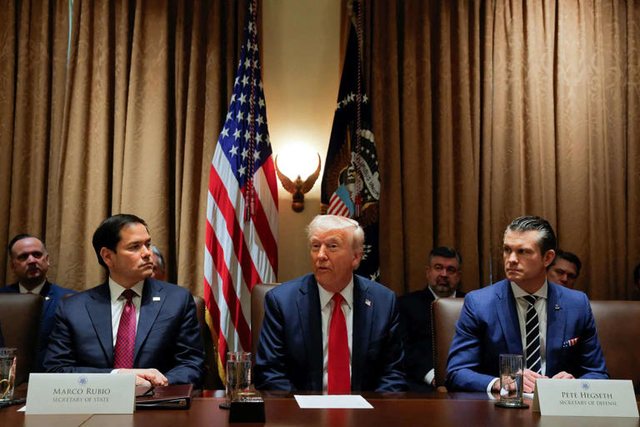
Paralajmërimi i ministrit të Jashtëm të SHBA-së Marco Rubio më 8 mars në platformën X në adresë të Dodikut, është një sinjal pozitiv, ai shkruan: “Veprimet e presidentit të RS, Milorad Dodik minojnë institucionet e Bosnje dhe Hercegovinës dhe kërcënojnë sigurinë dhe stabilitetin…. Ne u bëjmë thirrje partenëve në rajon, që të bashkohen me ne për të vepruar kundër këtij qëndrimi të rrezikshëm dhe destablizues.”
Kongresmenia republikane Ann Wagner nga Missouri e quajti në platformën X Dodikun një “kriminel brutal”, që duhet ndaluar. “Unë jam në kontakt me Ministrinë e Jashtme të SHBA-së dhe me kolegët e mi në Kongres, për të shqyrtuar, se si mund t’u kundërvihemi përpjekjeve flagrante të qeverisë së Dodikut për të minuar paqen në rajon”, shprehet Wagner.
Vuçiç gjithnjë e më autokrat
OJQ-ja Human Rights Watch jep një pamje të zymtë të peizazhit të medias dhe lirisë së shtypit në Serbi. Grupet e monitorimit të zgjedhjeve i kritikuan zgjedhjet e dhjetorit 2023 si as të drejta dhe as të lira. Opozitës iu dha pak kohë transmetimi nga media, e cila është rreth 90 për qind e kontrolluar nga qeveria. Vuçiçit iu dhanë mbi 300 orë transmetim televiziv atë vit. Pra, ai ishte dhe është i kudongjendur.
Në indeksin për lirinë e shtypit të organizatës Reporterë pa Kufij për vitin 2024 vendi ra nga pozicioni i 91-të në të 98-in, pas Tanzanisë. Amnesty International zbuloi se qeveria serbe përdor ilegalisht spyware, për të spiunuar opozitarët. Por pavarësisht politikave të tij gjithnjë e më represive, presioni ndaj Vuçiçit po rritet.
Protestat në Serbi bëhen gjithnjë e më të mëdha
Për herë të tretë, në fund të janarit një makinë u fut në një tubim proteste në Beograd kundër korrupsionit endemik në Serbi, i cili sipas protestuesve është përgjegjës ndër të tjera për rrëzimin e një tende gjoja të saporinovuar në stacionin hekurudhor në qytetin verior serb Novi Sad më 1 nëntor 2024, ku humbën jetën 15 persona.
Në sulmin me makinë në protestën e janarit u plagosën rëndë dy mjeke. Pas një amoku të parë të tillë me makinë në nëntor 2024 Vuçiç u tall në televizion me viktimën: “Duhet të arrestojmë shoferin tani? Dikë që nuk ka shkelur asnjë ligj, që ka vozitur në rrugën e tij? A jeni në rregull?”
Pensionistët kundër Vuçiçit
Ndërkohë protestat e studentëve, që filluan pas aksidentit në Novi Sad, vazhdojnë prej gati katër muajsh e gjysëm. Ata janë bërë një lëvizje masive, që përfaqëson të gjitha shtresat e popullsisë serbe. Kjo u bë e dukshme në demonstratën e 1 marsit 2025 në qytetin jugor serb të Nishit, ku mijëra studentë, që kishin marshuar atje nga të gjitha pjesët e Serbisë, u pritën me entuziazëm, duke u gostitur nga dhjetëra mijëra banorë dhe çiklistë, që edhe ata kishin vajtur posaçërisht atje.
The demonstration in Niš was not the largest in recent months – but the images must have been threatening to Vučić, because one of his main support groups, pensioners, was also represented in large numbers. It remains to be seen how this movement, which has no central leadership and strictly opposes any kind of political appropriation, will develop further. The next mass protest has been announced for March 15, in Belgrade.
What will the US do?
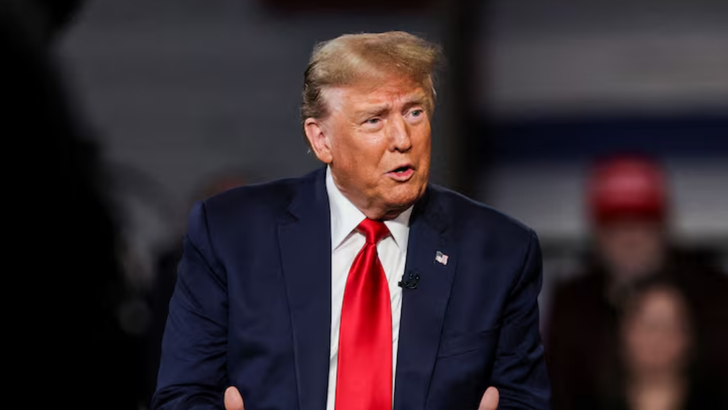
President Trump's political plans for the Western Balkans are still unknown. Economically as a private individual, he is active through his companies in Serbia and Albania. Trump's circle does not hide that Belgrade, linked to Moscow, is the president's favorite in Southeast Europe.
Since the end of the wars in Yugoslavia in the 1990s, the US has always been the one to ultimately resolve many small conflicts within and between successor states. Now not only observers, but also many people in the Western Balkan countries, are asking themselves: What would happen if Washington stopped doing this?
If President Trump abandons Ukraine, one of the United States' closest allies, as easily as he is doing now, how would he treat small states like Bosnia or Kosovo? The EU must be prepared for all eventualities in Southeast Europe./ DW