Frident Kuqi and Halil Gashi win the 62 million USD auction to b...
/ 2026-10-26 22:13:42Focus


The Russian regime is pursuing a global strategy reminiscent of the Soviet era. This is what the well-known American political scientist, Janusz Bugajski, thinks.
According to him, his goal is to divide, weaken and defeat the Western alliance. But this time Moscow is not encouraging communist occupation as in Cuba, Vietnam, Angola or Afghanistan, but instead is fomenting conflict in several regions, including the Middle East, South America and the Western Balkans.
"Russia's accelerated push to ignite regional conflicts shows its fear of losing the war in Ukraine. Moscow is trying to hide its losses from the war: US officials estimate that nearly half of Russia's conventional forces were killed or disabled, and large amounts of military equipment were destroyed. Although Moscow is mobilizing more conscripts, they are poorly trained and losses are beginning to affect public opposition to the war in Russia. A Ukrainian advance with the necessary long-range NATO weapons into one of the occupied regions would have a devastating impact on Russian morale and capabilities," he says.
By fueling the conflict in other countries, according to Bugajks, Moscow aims to reduce Western military support for Kiev, distract policymakers in Washington with new crises and help strengthen anti-Western governments. The latest conflict is being fueled between Venezuela and Guyana because Nicolás Maduro's socialist government in Caracas is one of Putin's few allies.
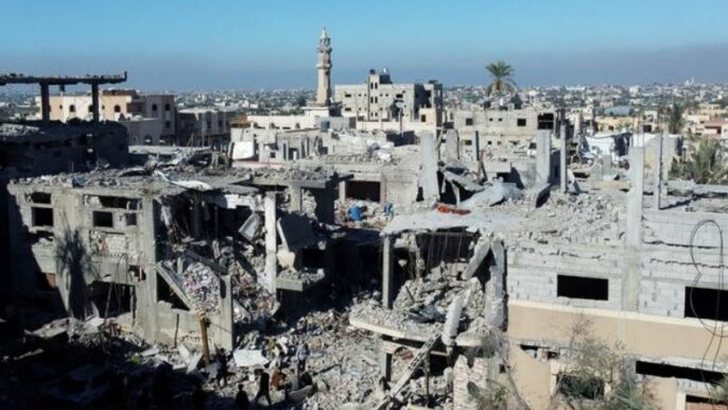
"Hamas' attack on Israel and the ongoing war in Gaza are clearly beneficial to Moscow. It diverts US attention from supporting Ukraine, increases regional tensions across the Middle East and strengthens the role of Iran – Moscow's most important partner in the region.
Bugajski also thinks that Moscow is also trying to provoke an armed conflict in the Western Balkans.
"She has repeatedly tried to push Serbia into a military confrontation in Kosovo and seems unhappy with Vučić because of his apparent fear of NATO. The Kremlin's patience with Dodik in the Bosnian Serb part of the country may also be running out. Despite all his threats, Dodik has failed to declare RS an independent state or seek union with Serbia. Putin's Serbian representatives should have followed the precedent of the annexation of Crimea and Donbass, but they have not done so. As a result, Moscow could take more direct action or work through radical alternative proxies to trigger another Balkan war," Bugajski said.