Is this police force professional and capable of handling violen...
/ 2026-10-16 18:54:07Focus


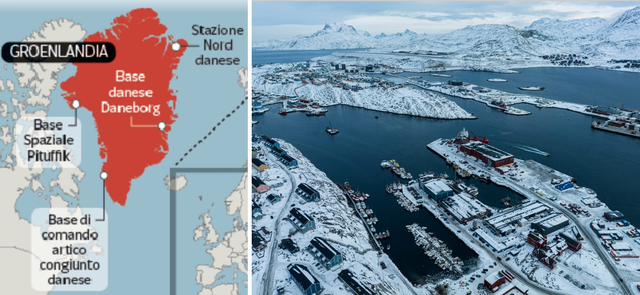
Donald Trump had threatened to take over Greenland by force and impose new tariffs on eight European countries. The island's autonomous government was preparing for the "worst-case scenario." Denmark feared it could lose control of its "Special Territory" in the Arctic, a relic of the colonial era. Some European leaders and a large part of the public opinion in Europe and the US even predicted the end of the Atlantic Alliance.
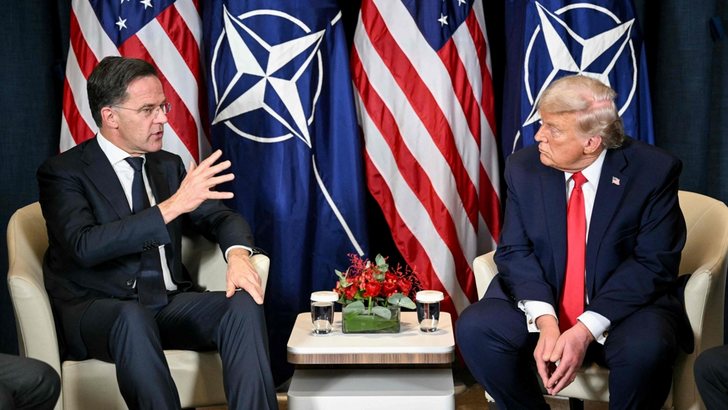
In the end, none of this happened. In Davos, Donald Trump declared that he had reached a “framework agreement” with NATO Secretary General Mark Rutte. Shortly thereafter, tensions eased and financial markets recovered. However, this is a story that is expected to leave deep traces on international balances. Who comes out the winner?
Trump emerges the winner
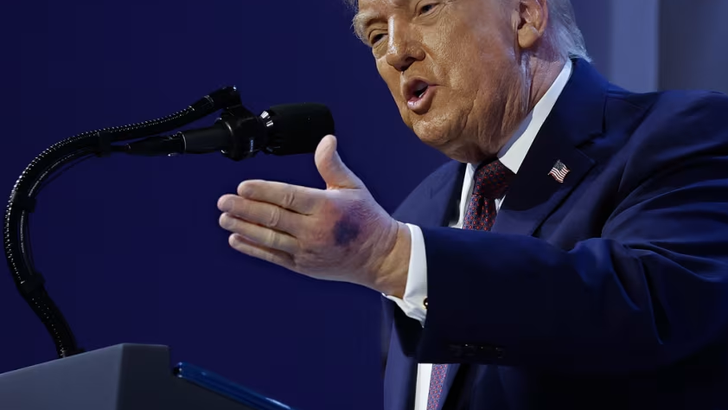
The US president followed a similar strategy to last spring, when he announced the imposition of tariffs on much of the world. Even before returning to the White House, Trump had raised his tone on Greenland, to the point of outright intimidation. However, for months, no one in diplomatic circles believed that he would actually send the military to the large island, perhaps Alaskan special forces, the so-called “Arctic Angels”, who were also training for rapid incursions into the ice.
After the operation in Venezuela on January 3, the perception of the threat changed. Especially when on January 14, Vice President JD Vance and Secretary of State Marco Rubio strongly rejected the proposal of the foreign ministers of Denmark and Greenland: to build military bases, but without affecting the sovereignty of the island.
Meanwhile, negotiations continued, led largely by Mark Rutte. The final details of the agreement are expected to be made public, but from what has emerged so far, Trump appears to have essentially gotten what he wanted. Greenland will be included in the “Golden Dome” plan, the space shield designed to intercept missiles from Russia, China and North Korea that could come from Arctic routes.
Trump has also achieved an important political victory: once again, he has established himself as the epicenter of the new world order. This is confirmed by the structure of the Gaza Peace Board, a multilateral body built around Trump's central role and personal leadership.
The role of the former prime minister
The NATO Secretary General's reputation was severely damaged after the Alliance summit in The Hague, when he called Trump "our grandfather." This time, however, it must be admitted that the former Dutch prime minister acted with caution and effectiveness.
He worked closely with the leaders of the major countries, especially German Chancellor Friedrich Merz and British Prime Minister Keir Starmer, to turn a potential head-on clash with Trump, which risked destroying NATO, into a “technical” issue between the allies. Rutte first secured the mandate to negotiate on behalf of all partners, then included Greenland in the broader “Arctic security” dossier, proposing direct involvement and major military investments from the Nordic countries, the UK and Germany.
He also took into account the concerns of Denmark and Greenland itself, building a proposal that, for the moment, seems to work. The US would have a free hand in Greenland, without having to take ownership of the island, except perhaps in areas where military bases would be set up and supported by allies throughout the Arctic. If this line is confirmed, NATO would be saved this time too, and Rutte's role seems crucial.
Europe in pursuit
Until a few days ago, Greenland's Prime Minister, Jens Frederik Nielsen, was urging his countrymen to "prepare for the worst-case scenario," that is, a US military intervention. Denmark tried to mount a strong response, inviting European countries to a military exercise on the island, but received only seven positive responses.
The Copenhagen government had hoped for a symbolic move that would convince Trump to give up Greenland, but the negotiations took a different turn. EU leaders were once again forced to follow Trump's unpredictable tactics. Today there is relief in Brussels and in European capitals.
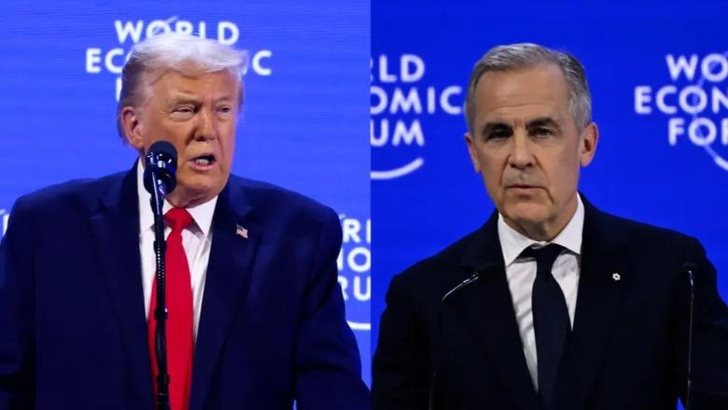
But is it really a success? Emmanuel Macron, Friedrich Merz, European Commission President Ursula von der Leyen and others have largely managed to limit the damage. Perhaps that is enough, but as Canadian Prime Minister Mark Carney said in Davos, “middle powers” must cooperate to build a space of autonomy in the clash between the United States, Russia and China./ Corriere della Sera