Is this police force professional and capable of handling violen...
/ 2026-10-16 18:54:07Focus


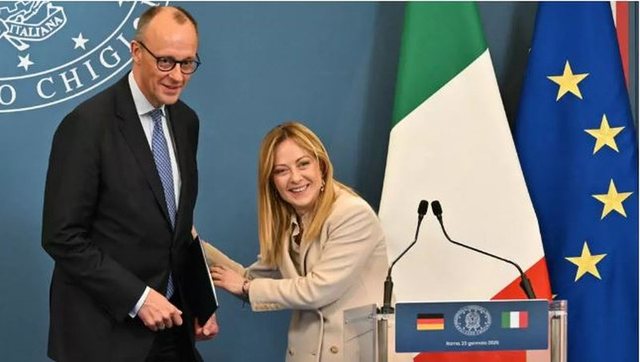
A coordinated effort between Italy and Germany on the eve of an informal European Council has raised concerns among France, Spain and Eastern European countries. The initiative, which aims to give more power to national governments, is seen by some as a step back in the process of European integration.
According to some diplomatic sources, the Rome-Berlin alliance is the fruit of the ambition of German Prime Minister Friedrich Merz, who aims to limit Eurobonds and support a defense system based mainly on national armies. Germany has offered 100 billion euros for this purpose, emphasizing the priority for its national security.
Italian Prime Minister Giorgia Meloni has supported this agenda, using cooperation with Berlin to strengthen her stance on nationalism and block further steps towards European integration. The Italian-German proposals are being perceived by the other side as limiting the power of the European Commission and as a threat to the unity of the bloc, writes La Repubblica.
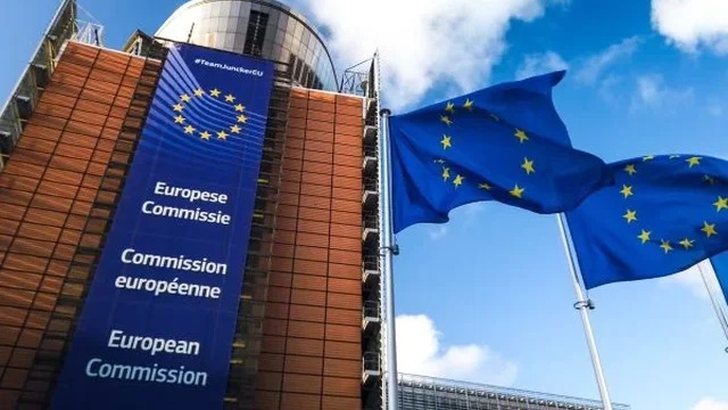
In this context, relations between Merz and European Commission President Ursula von der Leyen have been consolidated through a pact that ensures her continued in office until the end of her mandate. Meanwhile, tensions with France remain high, particularly over the issue of Eurobonds and the future presidency of the European institutions.
Analysts warn that this development could increase divisions between North and South Europe, calling into question cooperation on defense against Russia. Today's summit begins in a tense atmosphere and without a clear consensus.