Is this police force professional and capable of handling violen...
/ 2026-10-16 18:54:07Focus


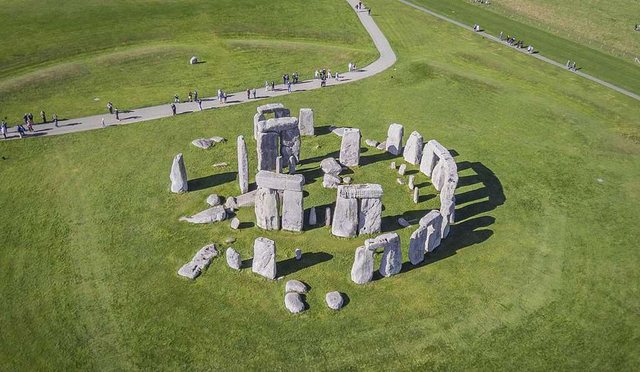
One of the biggest mysteries surrounding Stonehenge is how the large stones were transported there.
Some of them come from Wales, while one stone has even been traced to Scotland.
Recent studies have confirmed that the stones were moved by humans, not glaciers, but it was not clear how the stones, weighing over three tons, were transported hundreds of kilometers away.
Now, a new discovery may shed light on one of the monument's best-kept secrets.
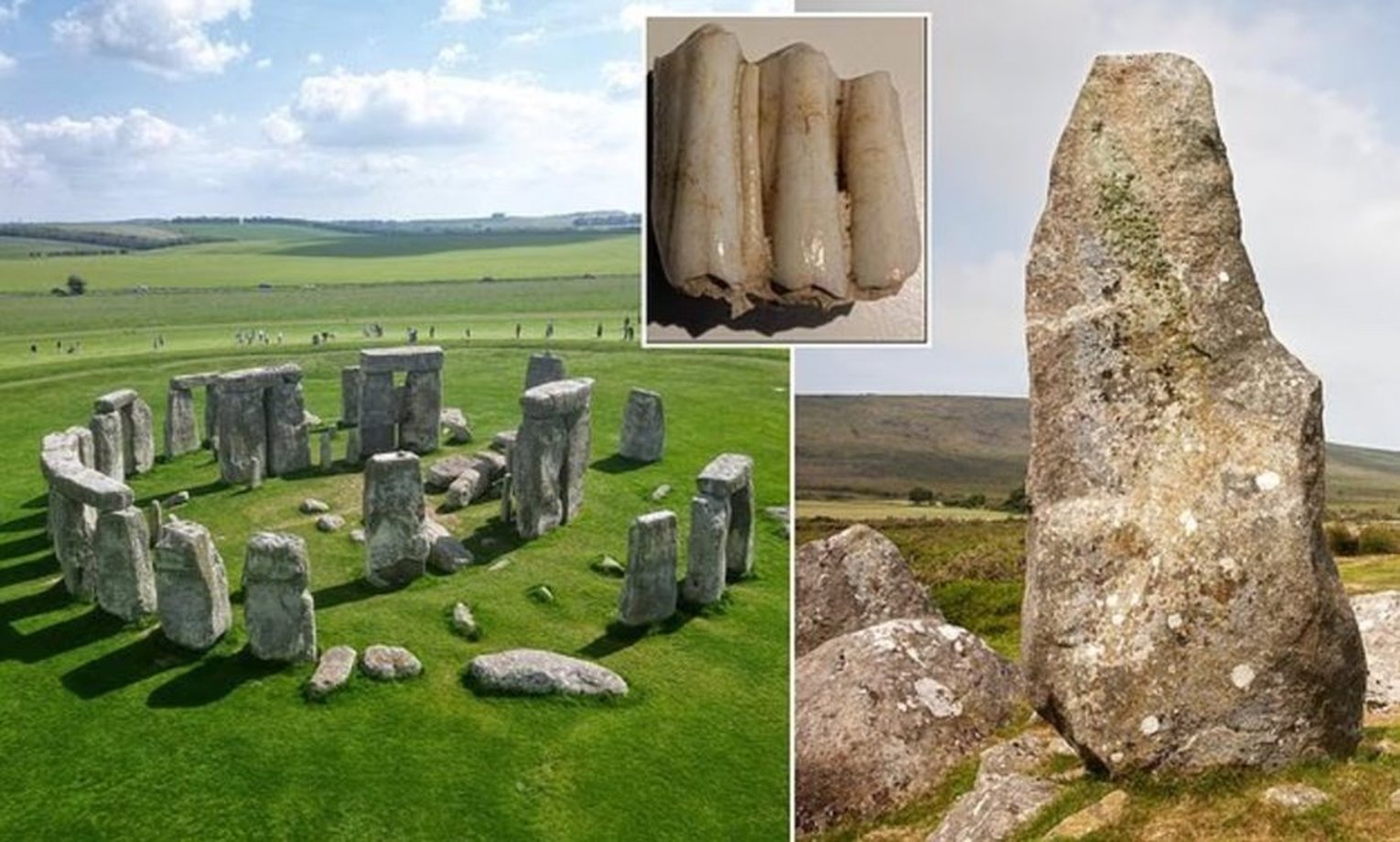
In 1924, archaeologists found a cow jawbone near the south entrance to Stonehenge, which dated to about 5,000 years ago. Isotopic analysis has shown that the cow may have originated in Wales, suggesting that cows may have been used to transport the large stones.
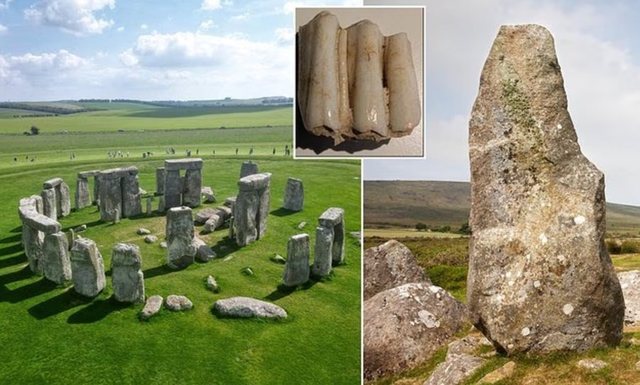
Scientists, including those from Cardiff University and University College London, analyzed the cow's third tooth, measuring isotopes of carbon, oxygen, strontium and lead. The results showed that the cow came from an area with Paleozoic rocks, similar to those of Wales, before it came to Stonehenge.
The discovery provides further details about the cow's life and suggests the use of animals to transport the stones, adding a new dimension to the story of Stonehenge. The large sarsen stones were transported from West Woods, Wiltshire, about 20 miles away, while the Altar Stone was brought from Scotland, about 470 miles away.
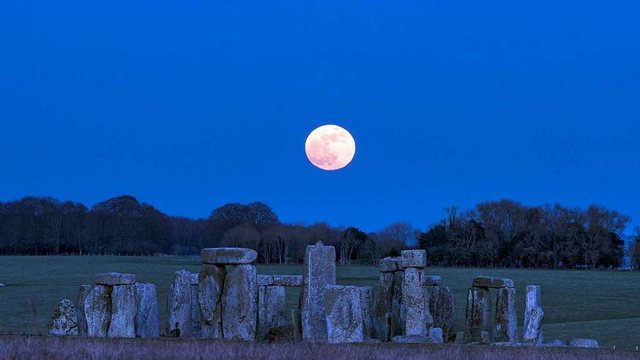
Researchers point out that Stonehenge is special because it was built entirely with stones brought from afar, perhaps for political and religious purposes, symbolizing the eternal connection with the past and the cosmos.
However, the mystery of how and why it was built has not yet been fully solved.