Is this police force professional and capable of handling violen...
/ 2026-10-16 18:54:07Focus


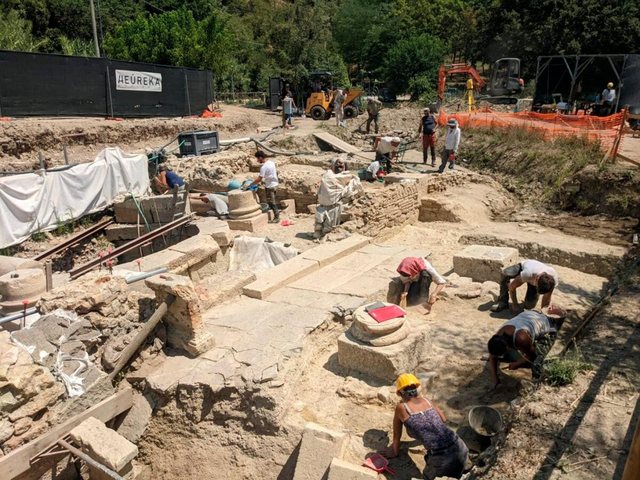
For more than 20 years, archaeologists have been excavating the legendary Etruscan sanctuary in Orvieto, Italy. Now they appear to have found important religious artifacts.
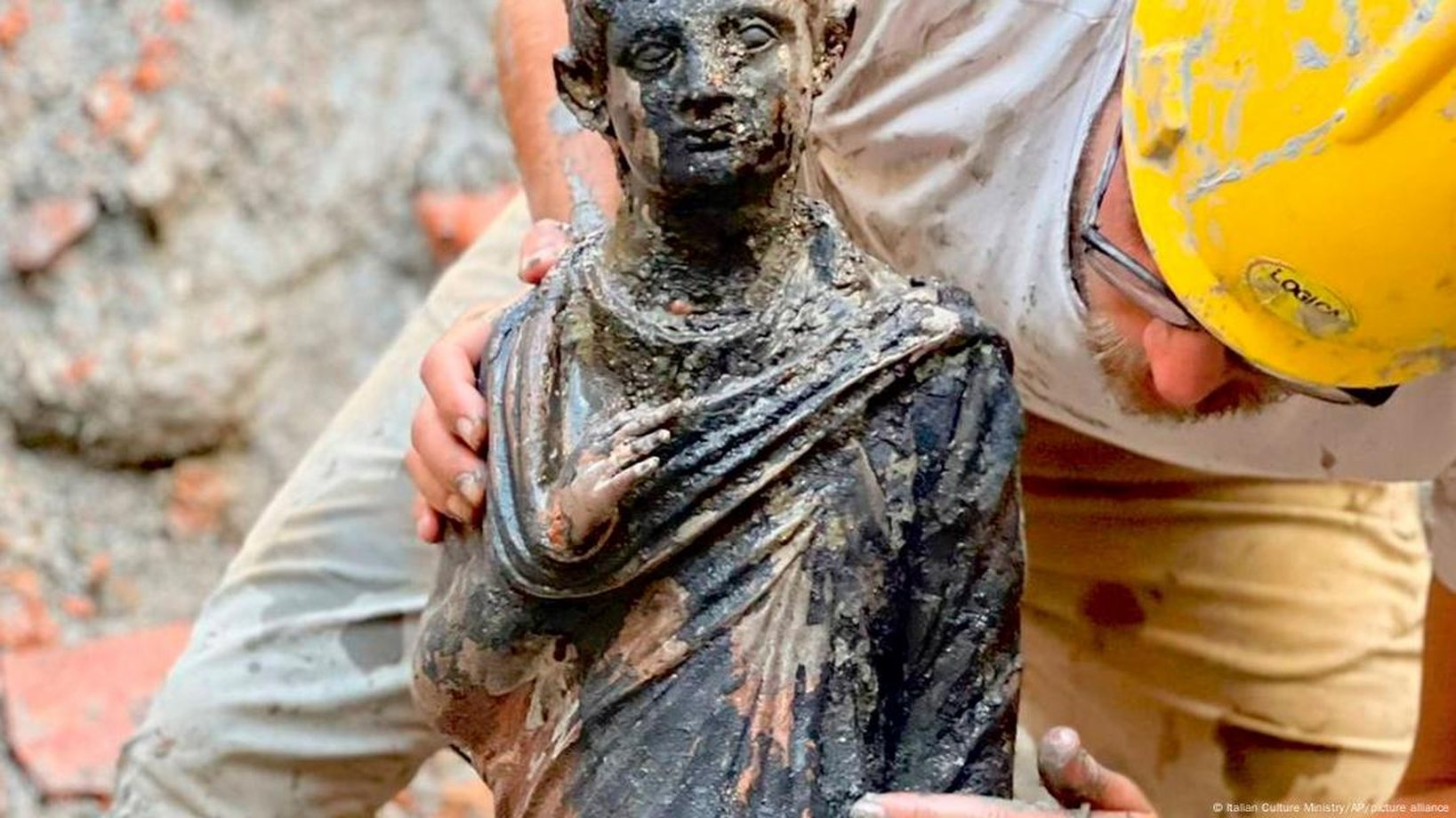
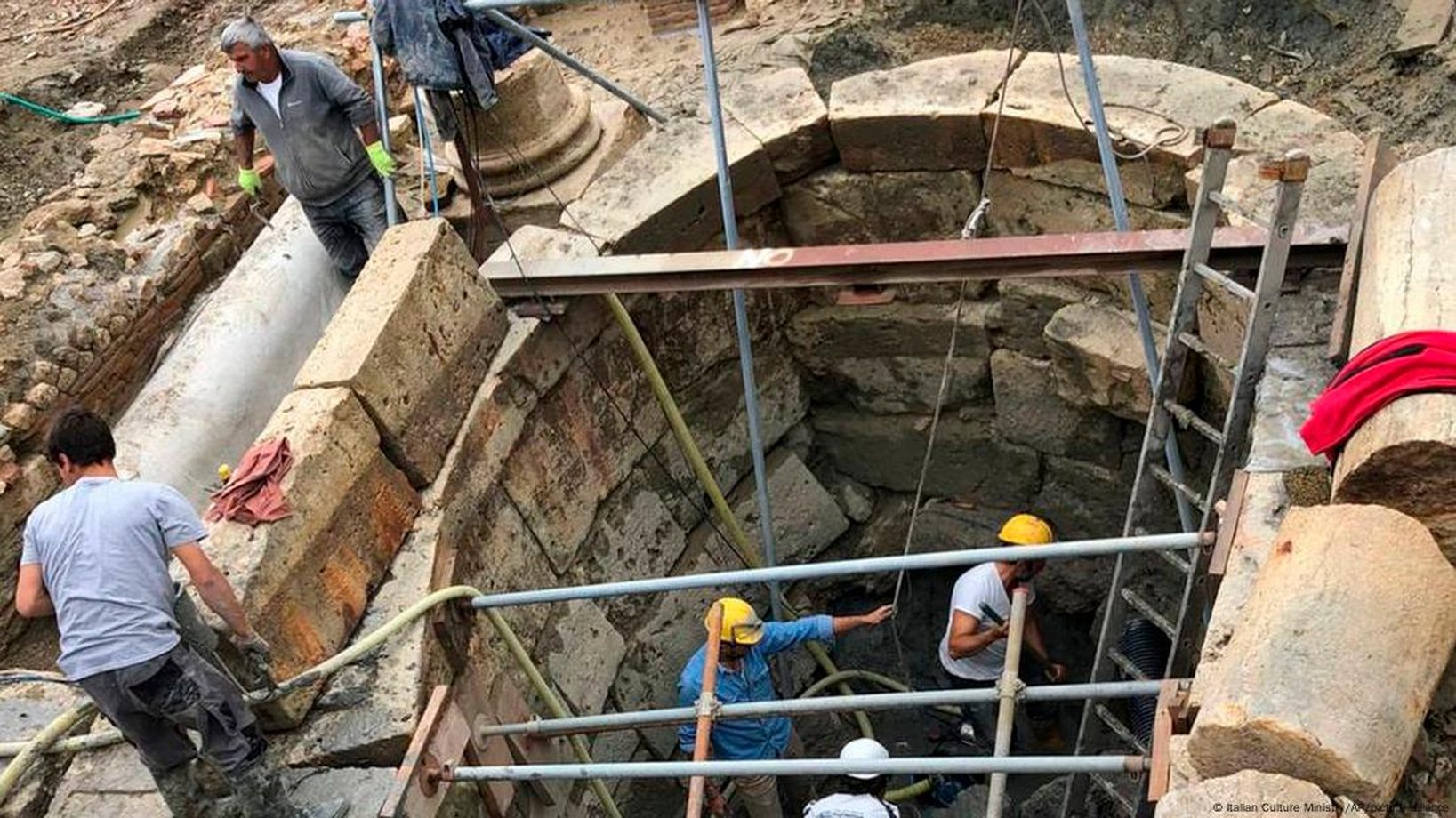
Archaeological excavations at the central Etruscan sanctuary in Italy, the Fanum Voltumnae, have apparently uncovered important religious artifacts. The artifacts provide clues to rituals dating back more than 2,500 years. Two well-preserved stone rams' heads, a lion's head, large altars and a wide processional route were discovered on the outskirts of the city of Orvieto this week, Italian media reported.
At the height of the Etruscan era
The sanctuary of the Etruscan city-federation near Orvieto, which is of enormous size, was discovered in the early 2000s during excavations led by archaeologist Simonetta Stopponi.
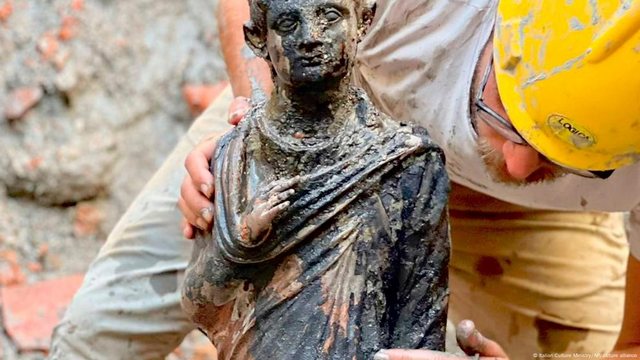
Excavations have continued since then. It is thought that this sacred site was built at the height of the Etruscan era in the 6th century BC.
Assimilation by the Romans
The Etruscans settled in central Italy from the 9th to the 1st century BC. Their origins are still unclear, and their language and religion have only been partially studied.
The period from the 7th to the 5th century BC was the heyday of the Etruscans. The ancient historian Dionysius of Halicarnassus admired them as "the earliest and most distinct from other peoples".
Scholars still debate the origins of the Etruscans to this day. Most argue that they originated in Asia Minor (in present-day Turkey), from where they migrated.
Others consider them to be a tribe long established in what is now Italy, which had developed over time. However, DNA analyses of the population in Tuscany support the first thesis.
The Etruscans were defeated by the Romans, who assimilated the Etruscan people and their culture until they disappeared as an independent ethnic group during the Roman Republic. / DW