Is this police force professional and capable of handling violen...
/ 2026-10-16 18:54:07Focus



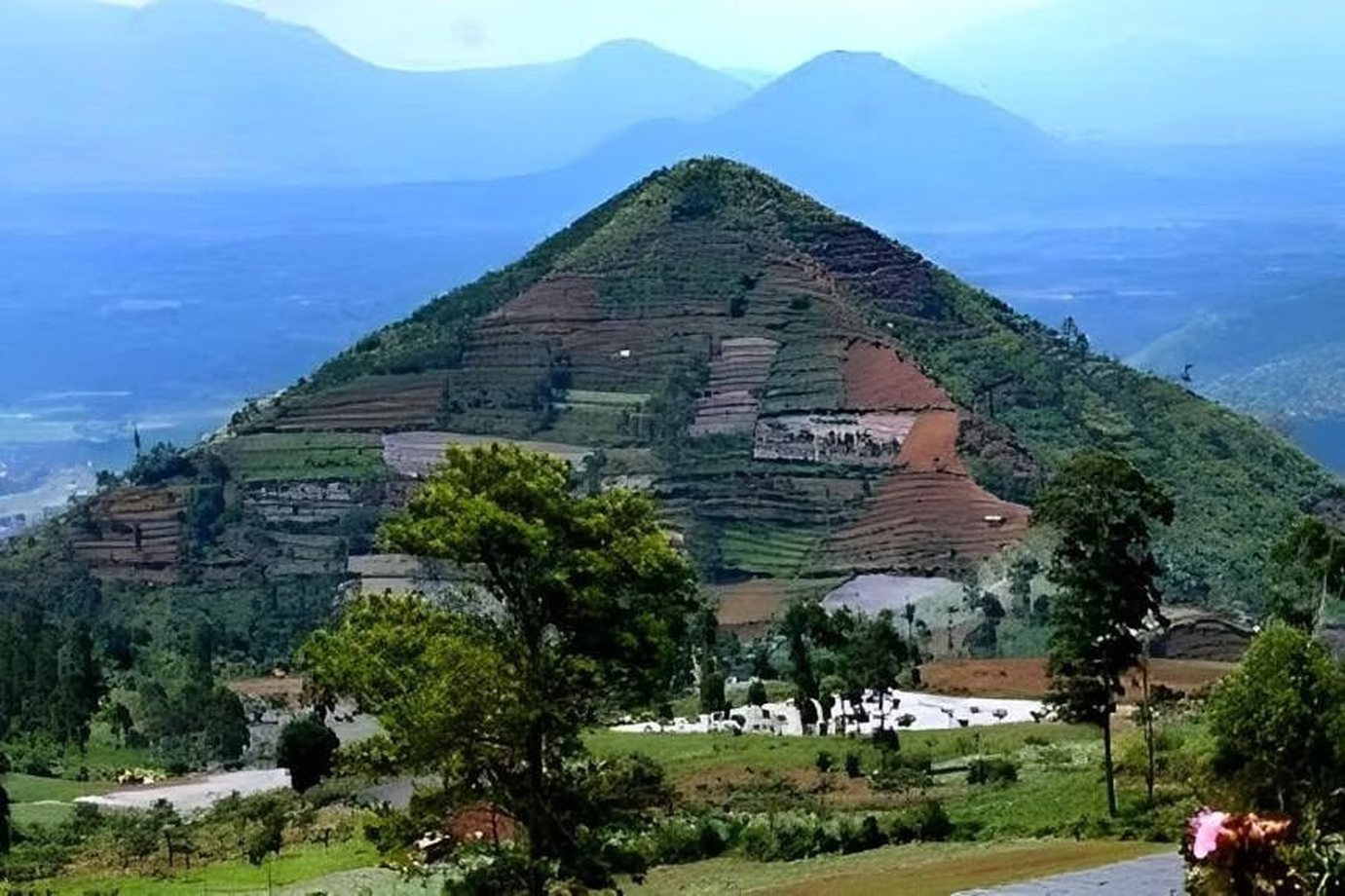
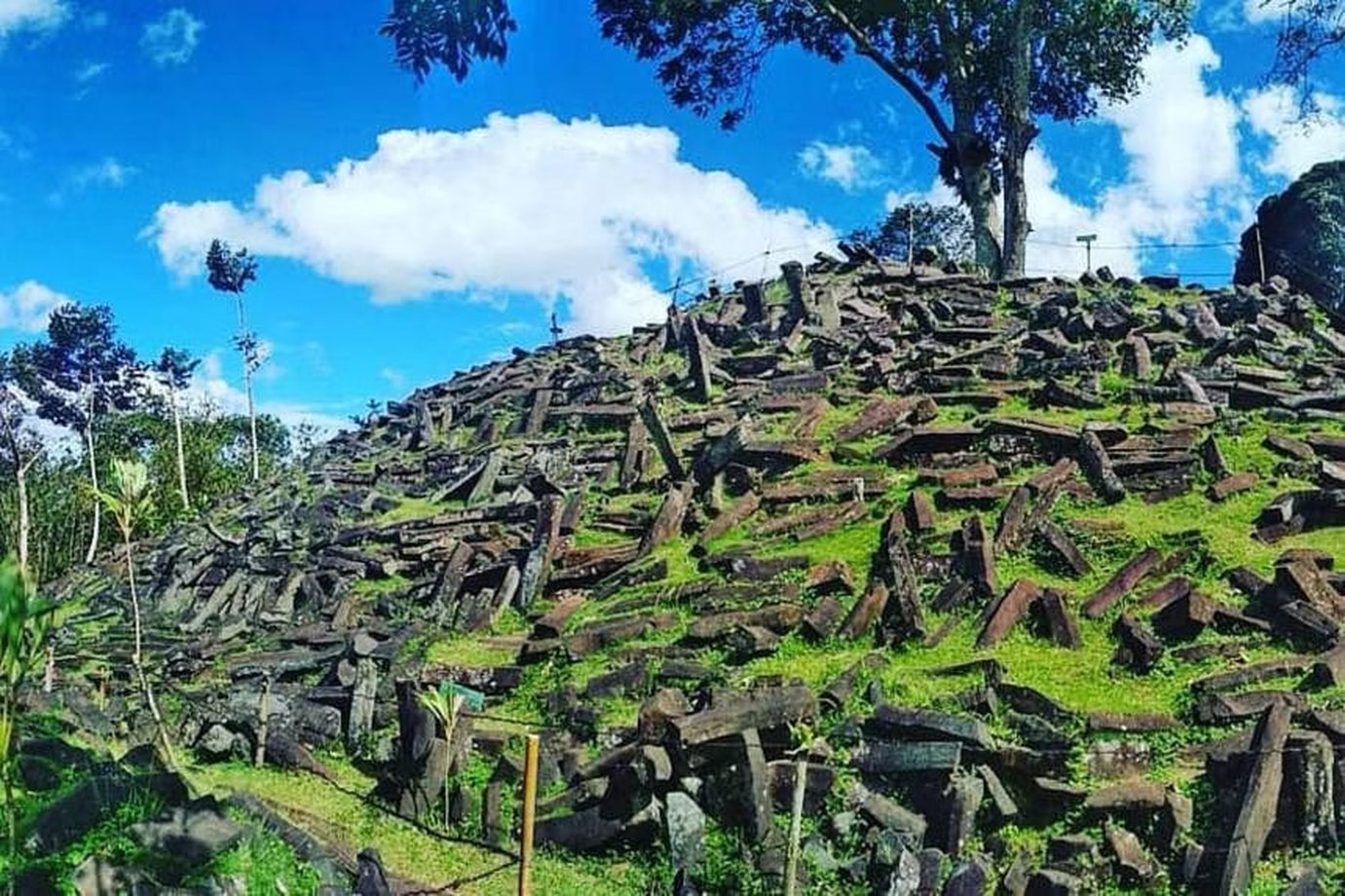
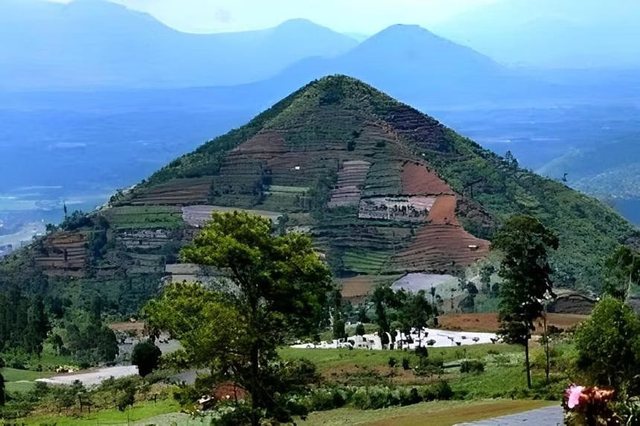
While Guinness officially lists the Step Pyramid of Djoser in Egypt (circa 2630 BC) as the oldest pyramid in the world, a study published some time ago claims that a layer of the Gunung Padang pyramid in Indonesia was built 25,000 BC, although doubts have later been raised whether the structure was built by man, according to the journal Archaeological Prospection.
A study led by Danny Hilman Natawidjaja from the Indonesian Institute of Sciences and published in the journal "Archaeological Prospection" states that "the core of the pyramid consists of meticulously worked andesite rock" and that "its earliest construction likely began as a natural volcanic hill and was then sculpted and architecturally built around it."
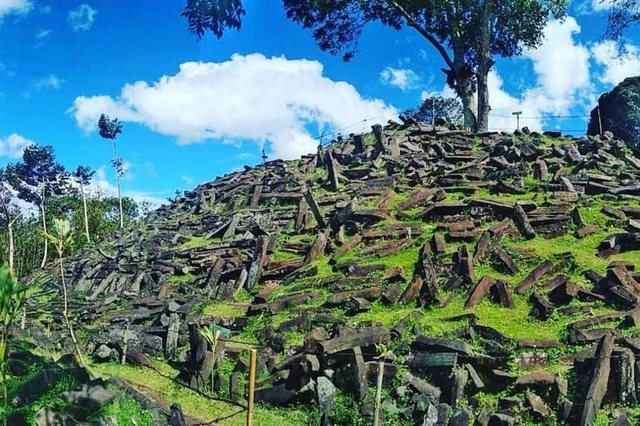
"This study sheds light on advanced building skills dating back to the last ice age. This discovery challenges the traditional belief that human civilization and advanced building techniques began only with the emergence of agriculture around 11,000 years ago," the journal writes.
The researchers also claim that the builders "must have had extraordinary building skills", but a British archaeologist has dismissed the study, saying he is "surprised that it was built in this form".
Flint Dibble from Cardiff University told the journal Nature that there is no clear evidence that the buried layers were built by humans.
"Materials that slide down hills tend to be naturally oriented," he said, adding that there is no evidence of workmanship or any traces to indicate they are man-made.
Meanwhile, Bill Farley, an archaeologist at Southern Connecticut State University, said that 27,000-year-old soil samples taken at Gunung Padang, although accurately dated, do not contain traces of human activity, such as charcoal or bone fragments.
"We are very open to researchers from all over the world who want to come to Indonesia and develop a research program at Gunung Padang," Natawidjaja responded to the criticism.
Meanwhile, the co-editor of the journal "Archaeological Prospection" has confirmed that an investigation has been opened into the publication of this study.