Is this police force professional and capable of handling violen...
/ 2026-10-16 18:54:07Focus


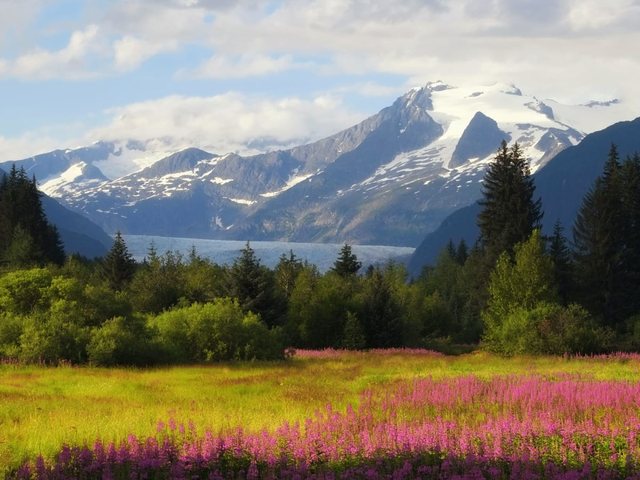
Before becoming a U.S. territory, Alaska belonged to Russia. Russia offered the Alaskan territory to America for sale in 1867.
The purchase cost 7 million 200 thousand dollars.
In 1896, gold was discovered in Alaska in significant quantities.
The following year, 50,000 people flocked to Alaska in search of gold. Other metals such as copper, coal, platinum, etc. were also discovered in the Alaskan territory.
However, Alaska's greatest wealth is its fishing and fur trade. The development of the fishing and mining industries, as well as the beginning of agriculture, required more effective governance of the Alaskan territory. Thus, in 1912, it was granted the right to self-government.
During this period, copper mines were controlled by large corporations that could afford the costs of underground mineral exploration.
During the Depression in America, since the price of gold in Alaska was stable, gold mining there became very profitable.
On January 3, 1959, Alaska was admitted as the 49th state of the United States. Alaska is located on the northwestern tip of the North American continent. It is bordered by Canada to the east, the Arctic Ocean to the north, the Pacific Ocean to the west, and Russia (Siberia) to the south.
Alaska is the largest state by area in the United States and the fourth most sparsely populated. Approximately half of Alaska's population of 740,000 lives within the metropolitan area of the capital, Anchorage.
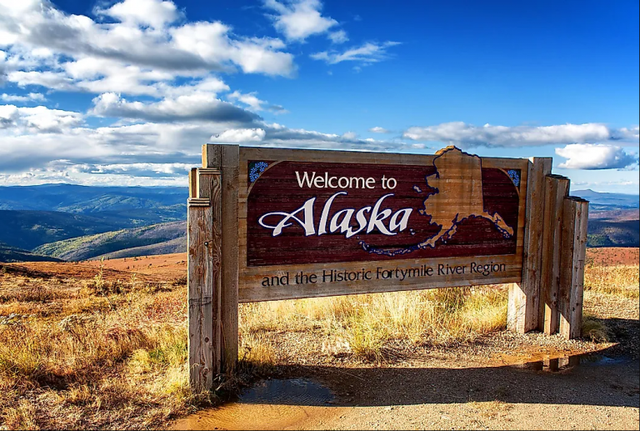
But why didn't Russia sell Alaska to Canada, but to America?
Of course, the US benefited the most from this deal – 50 years after the sale, the Alaskan gold rush generated more than $1 billion in new wealth for the United States. Also profitable were the abundance of timber, salmon and oil.
Plus, Alaska became a real strategic asset for the US military once the Cold War came.
So why did the Russians give away such a generous region? And why didn't they sell it to Canada, which – unlike the US – currently borders Alaska?
To answer these questions, we need to look back to the 19th century, when a proto-Cold War emerged. Historians call it the “Great Game.”
Russia claims Alaska
From 1829 to 1907, the empires of Russia and Great Britain were at odds with each other. Each sought to expand its influence in Central Asia, as well as the Pacific Ocean. A fierce rivalry developed. The rivalry sparked or intensified several military conflicts, most notably the Crimean War (1853–1856), which pitted Russia against the allied forces of Britain, France, Sardinia, and the Ottoman Empire. In the end, Russia was defeated. By some estimates, the tsarist empire suffered more than 800,000 casualties.
Megjithëse kjo luftë ishte e kufizuar në Eurazi, ajo kishte degëzime të mëdha në të gjithë Paqësorin. Ndër të tjera, ajo vuri në pikëpyetje të ardhmen e atij vendi magjik, Alaskës.
Pas dekadave të tëra eksplorime, Rusia pretendoi Alaskën në vitin 1741. Më pas, më 3 gusht 1784, ngriti vendbanimin e saj të parë në Amerikën e Veriut. Ky vendbanim u themelua nga Shelikhov-Golikov Co., një nga disa kompanitë tregtare të leshit që operonin në këtë zonë – me sa duket në emër të Perandorisë. Në vitin 1799, Cari Pali i bashkoi disa prej tyre në Russian-American Co. (RAC). Si një konglomerat i fuqishëm, RAC-it iu dha një monopol tregtar në burimet e Alaskës. Ai gjithashtu kishte për detyrë krijimin e vendbanimeve të reja dhe zgjerimin e pranisë së Rusisë në botë.
Për këtë qëllim, drejtuesi i kompanisë, Aleksander Baranov, i urdhëroi njerëzit e tij të shkonin deri Kaliforninë veriore, ku ata krijuan një avanpost të quajtur Fort Ross, më 2 shkurt 1812. Vizioni i madh i RAC ishte që ky establishment të shërbente si një qendër bujqësore, të korrat e të cilës do t’i mbanin vetë kolonët, si dhe banorët në Alaskë. Me furnizimin me ushqim të garantuar, kolonët në të dy vendet do ta kishin më të lehtë për të siguruar mallin më fitimprurës të Paqësorit: lëkurën e vidrave të detit. Disa herë më të vlefshme se gëzofi i kastorit, këto ishin nyja e jetike e ekonomisë ruso-amerikane.
Për fat të keq, prodhimi blegtoral i Fort Ross ishte shumë i pamjaftueshëm. Dhe për t’i përkeqësuar gjërat, vidrat po gjuheshin kaq shumë, saqë pothuaj u zhdukën. Rusët, pra, hoqën dorë nga Fort Ross, që iu shit një kufitari amerikan më 1844.
Lufta e Krimesë dhe roli i saj
Pastaj erdhi Lufta e Krimesë, në të cilën Alaska kërcënonte të bëhej një barrë. Sikur britanikët të vendosnin të pushtonin këtë territor, ushtria tejet e shtrirë e Rusisë do të kishte luftuar për ta mbrojtur atë. Asnjë sulm i tillë nuk erdhi ndonjëherë, pasi britanikët zgjodhën të qëndronin larg Alaskës gjatë luftës. Megjithatë, shumëkush në qeverinë e carit, vuri në dyshim mençurinë e mbajtjes së një kolonie të largët, pak të populluar, burimi kryesor i të cilës ishte zhdukur.
Për t’i bërë përkeqësuar gjërat, anijet që gjuanin balena, nga Britania dhe SHBA shpesh shkelnin në ujërat e kontrolluara nga RAC, duke e ndërlikuar më tej gjithë gjendjen.
Në fund të viteve 1850, Rusia filloi të shqyrtonte idenë e shitjes. Nën rrethana të ndryshme, Provinca e Kanadasë mund të dukej si një blerëse ideale, në sajë të kufirit prej 2.475 kilometrash që ndante me Alaskën. Por Kanadaja nuk ishte ende e vetë-qeverisur, dhe ishte sërish nën kontrollin e fortë të Mbretërisë së Bashkuar. Si pasojë, dorëzimi i Alaskës do t’i jepte Britanisë një gur shtesë shahu në Lojën e Madhe.
But fortunately for Russia, a better candidate presented itself. During the Crimean War, this Slavic empire found a surprising ally. American newspapers overwhelmingly supported the Russian cause. On top of this moral support, the states also provided the tsar with troops, weapons, and other supplies, even though the U.S. government was officially neutral.
British imperialism
Both superpowers saw British imperialism as a threat. Recognizing this, Russia allowed its foreign minister to the United States, Baron Edouard de Stoeckl, to approach the republic's leaders with an offer to sell Alaska in 1854. The deal fell through, and the subject was not seriously discussed until the American Civil War.
The Secretary of State under Presidents Abraham Lincoln and Andrew Johnson was William Seward, a gifted diplomat who had preached the benefits of Alaska for years. In 1867, he and Stoeckl reached an agreement that would see the United States take possession of the territory in exchange for $7.2 million. On April 9 of that year, the Senate ratified the transaction.
On October 18, 1867, Alaska officially became a US territory.