Protests highlight trauma crisis, operating rooms under reconstr...
/ 2026-10-15 18:35:16Focus


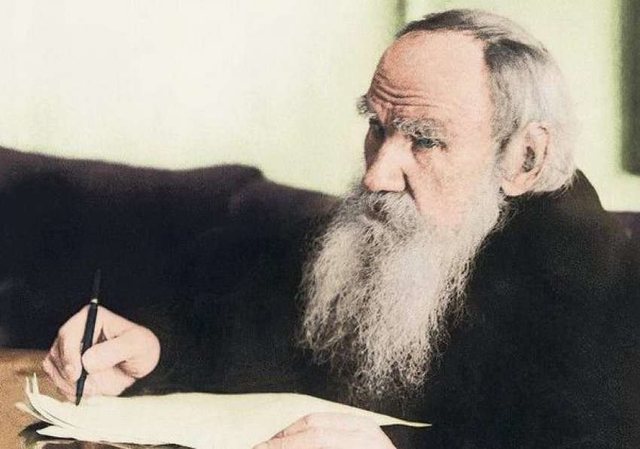
One of the most striking thoughts on relationships comes from Leo Tolstoy, who challenges the classic idea that a marriage only works when two people are "compatible."
On the surface, compatibility seems to be the key to everything. Many people believe that if partners think alike, have the same tastes, and behave similarly, everything will flow naturally. And at first, it often seems like that’s true. But over time, small differences emerge—sometimes unexpected—that really test the relationship.
It is here that the essence of Tolstoy's saying becomes clear:
"What matters for a happy marriage is not how compatible you are, but how you deal with incompatibility."
This idea remains relevant today. In a time when relationships are often built on the search for the “perfect partner,” the reality is much more complex. In everyday life, differences manifest themselves in simple ways: how money is managed, how stress is dealt with, or how free time is spent. They are not major dramas, but they are ongoing and, over time, shape the relationship.
Tolstoy's message does not promise an easy path. Rather, he acknowledges that differences are inevitable and suggests that success lies in the ability to live with them, not to eradicate them.
This philosophy is also closely related to the writer's own personal life. His marriage to Sofya Behrs was not without its challenges. Although she supported his work and family life, their relationship was fraught with disagreements, especially as Tolstoy's beliefs and lifestyle changed over the years.
In his later years, he experienced a profound spiritual and philosophical crisis, questioning social norms, religion, and the very purpose of life. These experiences profoundly influenced his thinking and led him towards ideas of simplicity and non-violence, which later influenced figures such as Mahatma Gandhi.
Beyond literature, Tolstoy was also involved in education and social reform. At his estate in Yasnaya Polyana, he opened schools for peasant children and promoted teaching methods that emphasized freedom and creativity, rather than strict discipline.
Towards the end of his life, he renounced his privileges and chose a simpler life, criticizing wealth, religious institutions, and state power. He even allowed his works to be freely distributed. He died in 1910 in a small train station, after an attempt to break away from the life he had built.
All of this makes this statement more than a theoretical thought. It is a summary of a life lived amidst contradictions, research, and the effort to understand human relationships.
In the end, according to him, a relationship is not sustained by perfect compatibility, but by how two people learn to live with their differences.