Protests highlight trauma crisis, operating rooms under reconstr...
/ 2026-10-15 18:35:16Focus


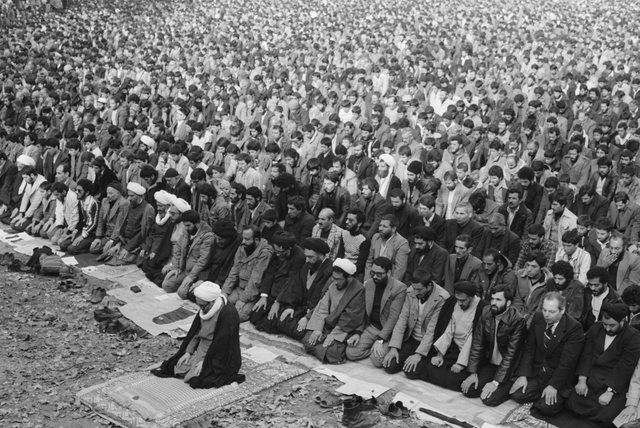
Iran is a unique case in the Muslim world. While most countries in the Islamic world are predominantly Sunni, 92% of Iranians are Shia Imams and await the return of the "Messiah" Mahdi. This makes the country the largest center of Shiism in the world.
Why is Iran an exception? While Sunnism predominates worldwide, 92% of Iranians are Shiites and await the return of the "Messiah" Mahdi. Sunnis represent the majority of the global Muslim population, but 92% of Iranians are Shiite.
Origin of the Great Schism - The two currents arose after the death of the Prophet Muhammad in 632 AD, when the community split between the followers of the Prophet's father-in-law, Abu Bakr (Sunnis) and those who supported the successor imams of Ali ibn Abi Talib, Muhammad's cousin and son-in-law.
Shiism means "followers of Ali" and according to this belief, the twelfth Imam, known as the Mahdi ("Rightly Guided One"), has been hidden by divine will and will one day return to establish justice and peace in the world.
Monotheism - In addition to Shia Islam, the Constitution of the Islamic Republic of Iran also recognizes several monotheistic religious minorities, such as Christianity, Judaism, and Zoroastrianism. Among these, the only one assimilated is Zoroastrianism, one of the oldest religions in Asia.
Founded on the teachings of the mystic Zoroaster, who lived in Persia between the 11th and 7th centuries BC, Zoroastrianism honors Ahura Mazda and is based on the duality of Good and Evil, teaching that those who choose Good will receive eternal salvation.