Protests highlight trauma crisis, operating rooms under reconstr...
/ 2026-10-15 18:35:16Focus


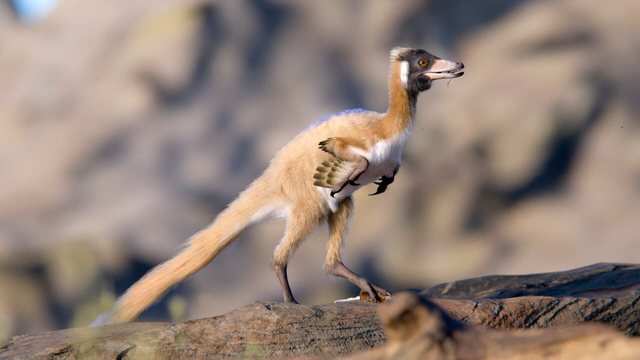
It weighed as much as a chicken and stood a little taller than a crow, but a small dinosaur discovered in Patagonia could have a big role in rewriting the history of evolution.
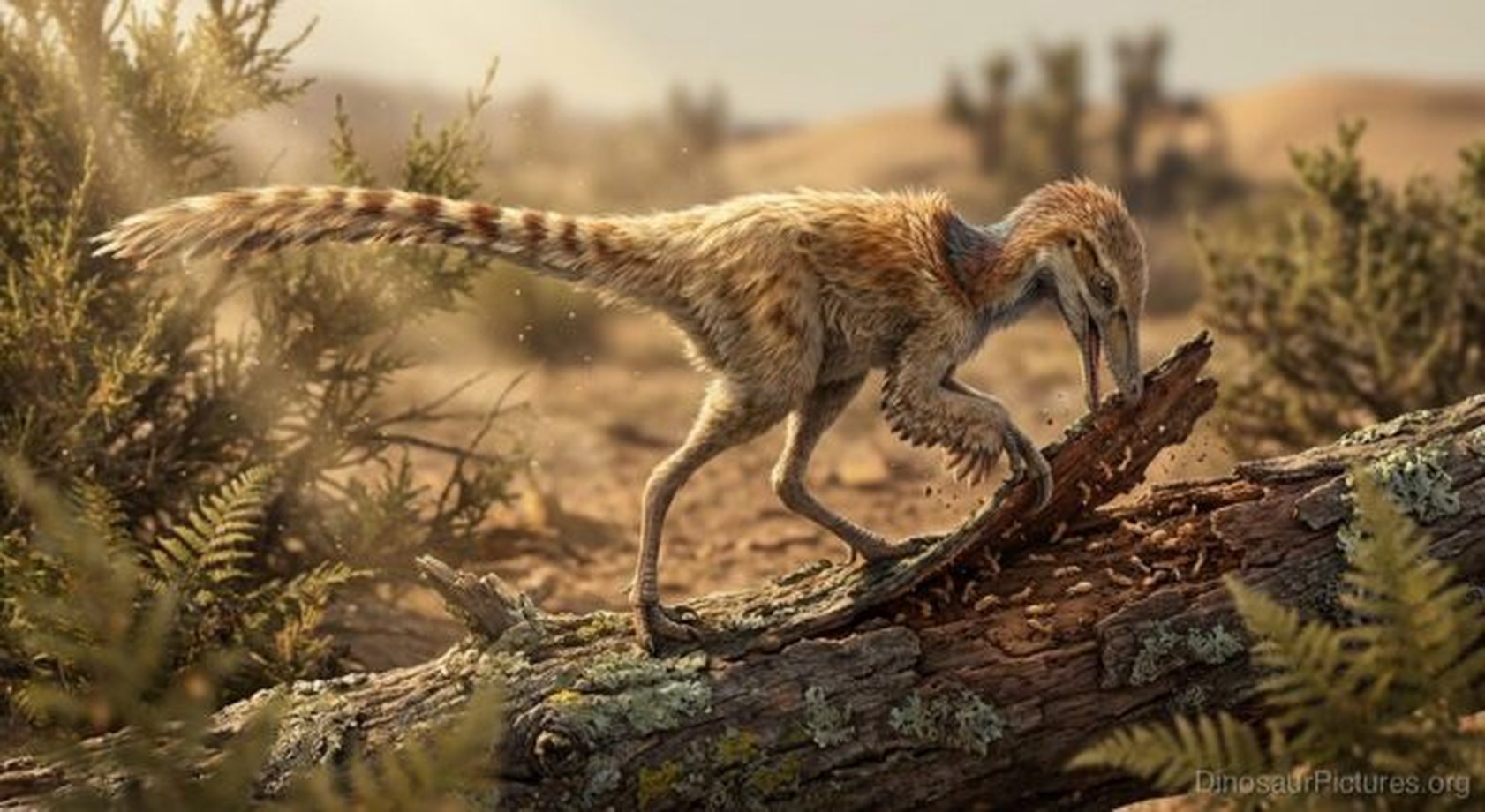
About 90 million years ago, among the dunes of what is now Argentine Patagonia, one of the smallest dinosaurs ever known ran, hunting lizards and small mammals. It is called Alnashetri cerropoliciensis, named after the village of Cerro Policia, near where its remarkably preserved skeleton was found.
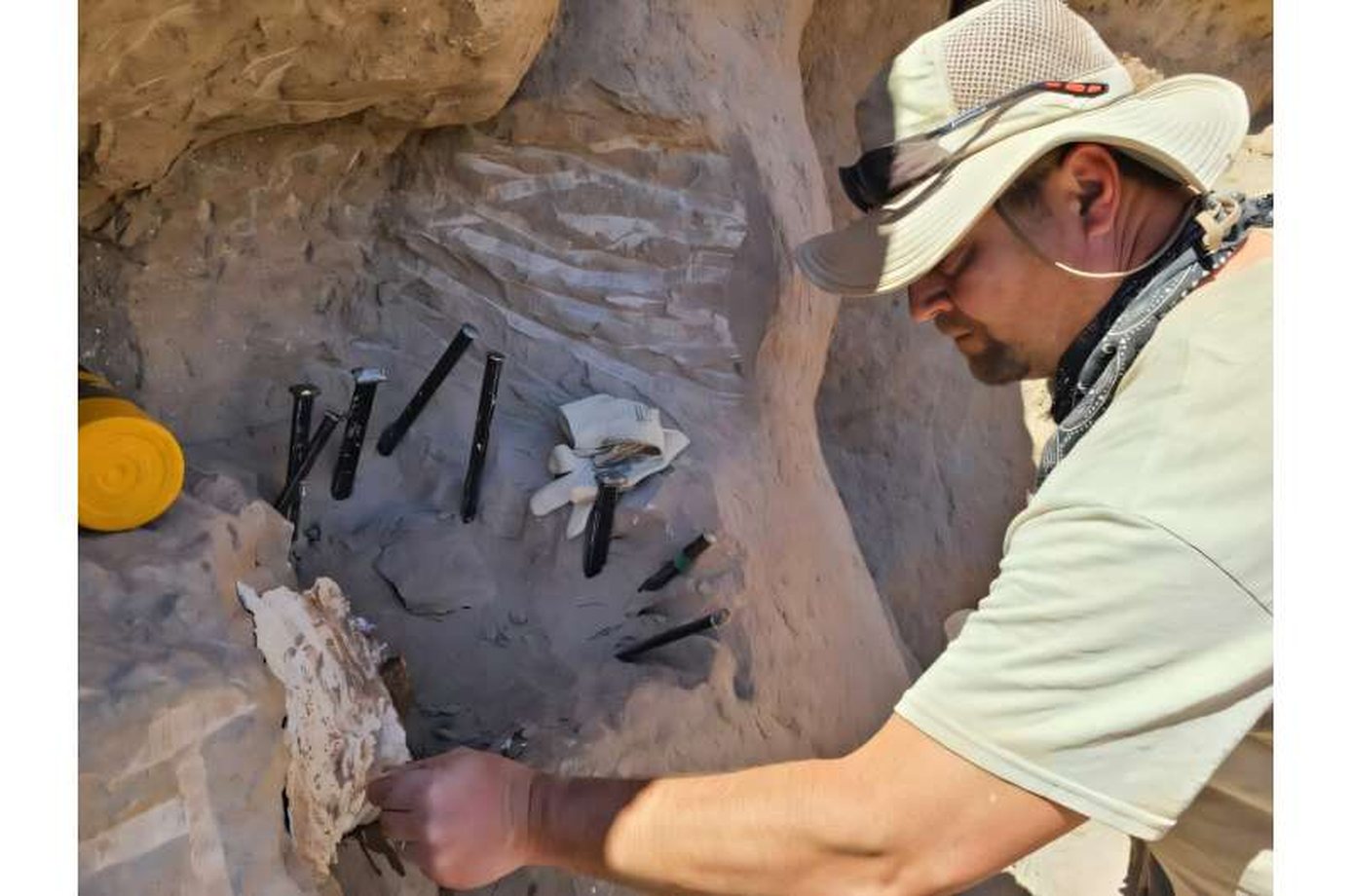
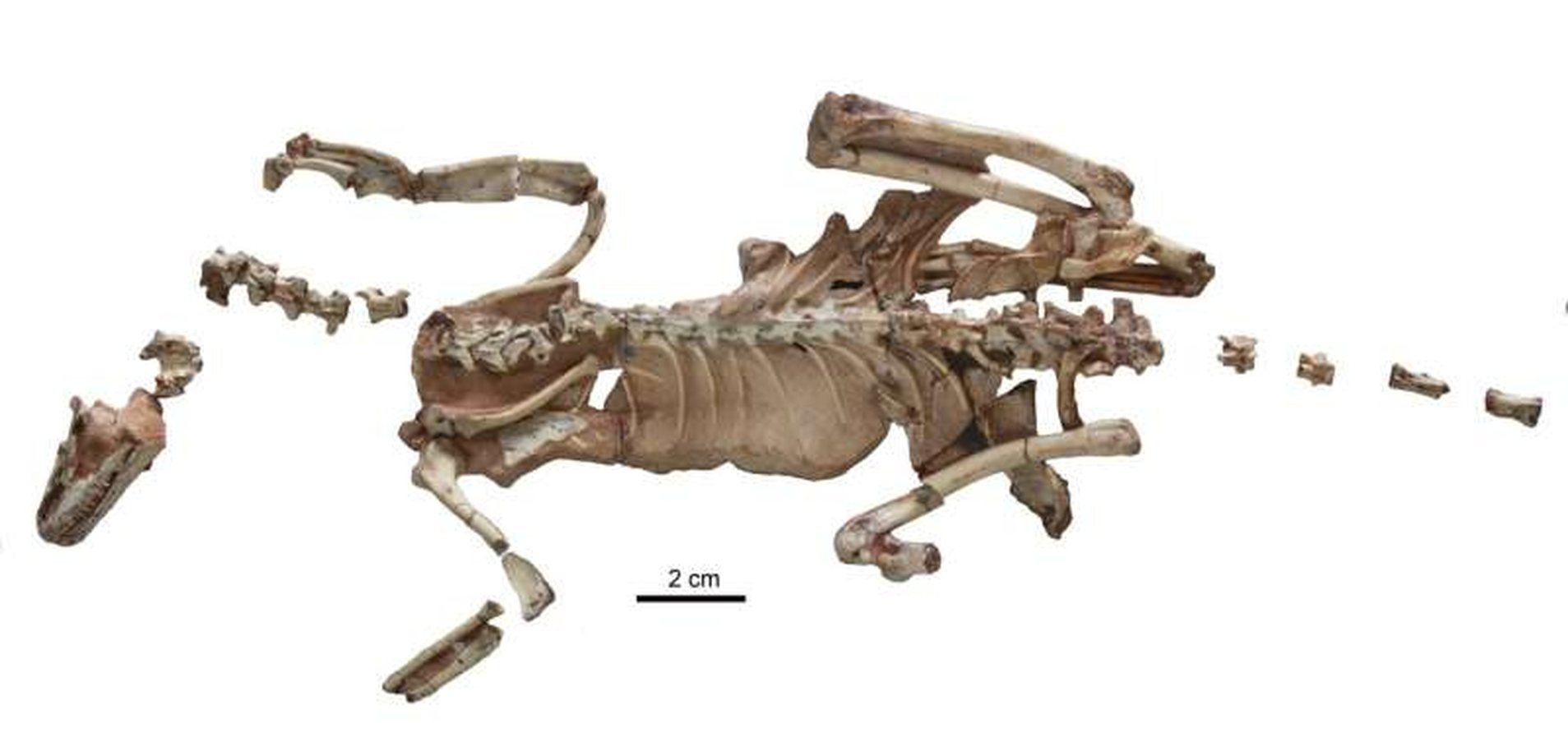
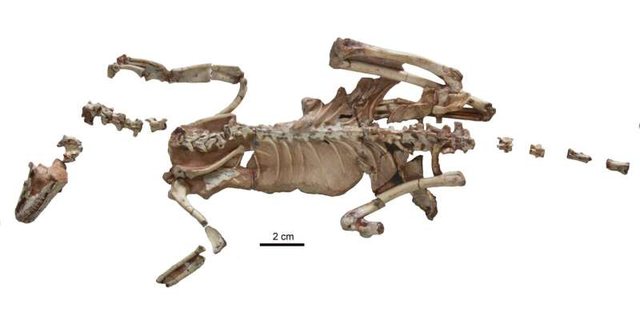
The fossil was discovered in 2014 by a team of Argentine and American researchers. After years of study, a study published in the journal Nature revealed new details about this lightweight creature, about 40 centimeters high and 70 centimeters long (mostly the tail). Because of its thin legs, the researchers had christened it the “patas flacas.”
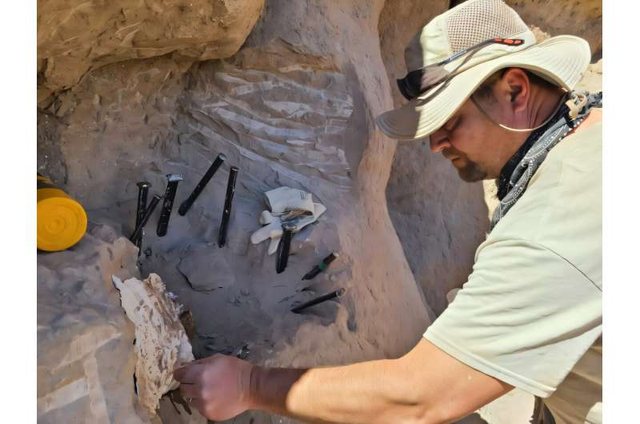
This is the second specimen found in the La Buitrera area, in the Rio Negro province. The first, discovered in 2004, was incomplete and missing limbs, making it difficult to fully describe the species.
When, ten years later, "Alna" was discovered under layers of rock and sand, an adult female about four years old with an almost complete skeleton, including skull and vertebrae, researchers were able to understand more about this dinosaur from the alvarezsaurid family, a group of small to medium-sized theropods widespread in Asia and South America.
For years, these dinosaurs were believed to be closely related to birds. In fact, they turned out to be small carnivores, closely related to Compsognathus (known as "compy" in the movie Jurassic Park).
Thanks to the discovery of Alna and a re-examination of fossils in museums in North America and Europe, researchers have concluded that alvarezsaurs originated much earlier than previously thought, at a time when the continents were still joined in the supercontinent Pangaea. Their global spread is linked to the later separation of land masses, rather than to impossible oceanic crossings.
According to experts, led by Peter Makovicky of the University of Minnesota and Sebastian Apesteguía of Maimonides University in Buenos Aires, this species had long, strong teeth, similar to those of a velociraptor.
Until recently, it was thought that small alvarezsaurs had very short limbs and small teeth, an adaptation to a diet of ants and termites. But Alna does not fit this model. It had longer forelimbs and larger teeth, indicating that some lineages of this group were miniaturized before developing the typical features of an insectivorous diet.
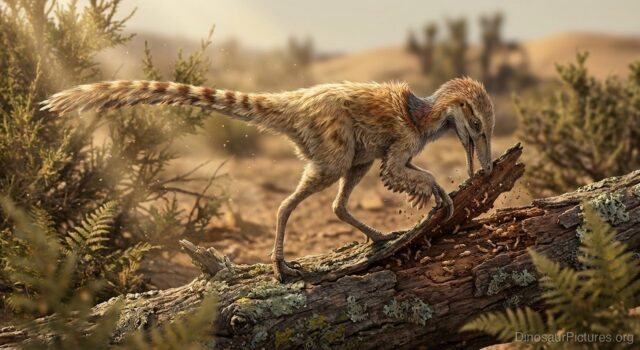
It is also thought that it may have had colorful feathers, but it certainly did not fly. The era in which Alna, one of the smallest known dinosaurs, lived shows that the "age of the southern giants" was not just an age of giants, but a period of extraordinary diversity.
According to researchers, going from fragmentary skeletons to a nearly complete specimen is like finding a "Rosetta Stone" of paleontology, as it creates a reference point to better understand the evolution and anatomical changes of this group.
Meanwhile, other fossils from Patagonia are still in laboratory preparation and could reveal new secrets about these "little big ones" of Earth's history. / La Repubblica