Protests highlight trauma crisis, operating rooms under reconstr...
/ 2026-10-15 18:35:16Focus


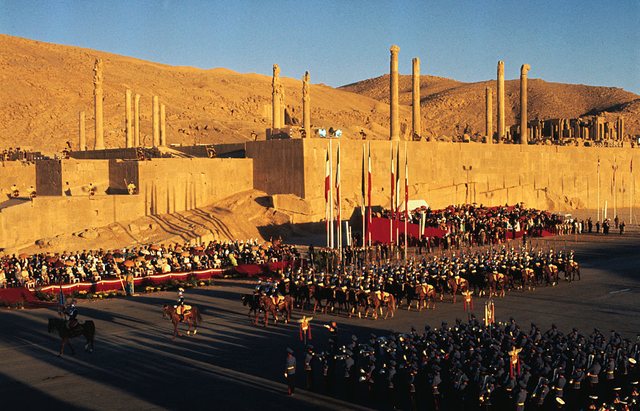
Persia and Iran, two different toponyms for a vast territory, have been used alternatively at different historical stages and sometimes interchangeably as synonyms.
But what is their origin? The oldest name, "Iran", comes from the phrase aryanam shafram, meaning "the rule of the Iranians", or the regions inhabited by the "Aryas", Indo-European populations who arrived on the Iranian plateau around 1000 BC.
It was not until the 3rd century AD that the name acquired a political and ethnic significance. The Persian Sassanid dynasty (224-651 AD) called their empire Eransahr ("Land of the Iranians", in the Middle Persian dialect).
After the Islamic conquest, the Arabs preferred to change the name: no longer Iran, but Fars (from the Old Persian Parsa), which became Persis in Greek and Persia in Latin.
Territory – This was the name of the southern region of Iran where the Persians were settled and from which they took their name. Western sources of the classical era used it to refer to the entire territory of the Achaemenid Empire, which comprised that region.
Successors - For a long time, the country bore the name Persia, despite some brief periods of alternating with another, more ancient toponym, until, in 1935, Shah Reza Pahlavi asked the West to stop calling his country that way. And, on the eve of World War II, he revived "Iran" in a nationalistic way, to emphasize his descent from ancient Aryans and a connection to the Aryans of Germany. Not out of Nazi beliefs, but to free himself from the British and Soviets, the powers that shared control of his country.