Protests highlight trauma crisis, operating rooms under reconstr...
/ 2026-10-15 18:35:16Focus


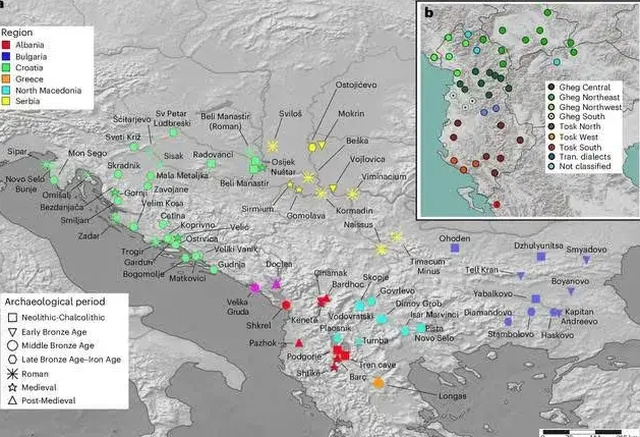
Genetic data shows that Albanians are indigenous to their lands.
Analyses conducted by the Academy of Sciences, in collaboration with foreign researchers, confirm that today's Albanian population is a continuation of the Illyrian one.
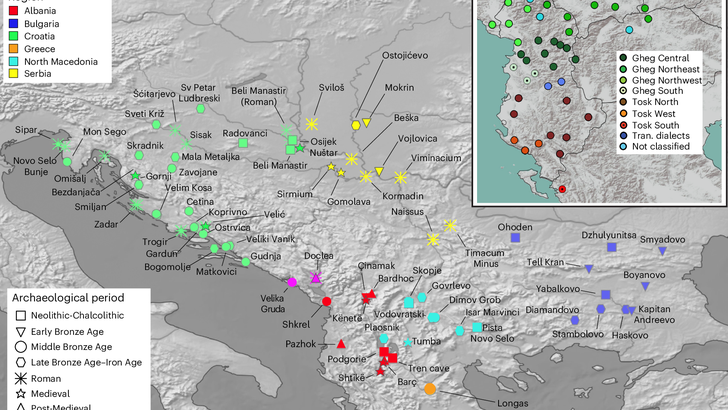
"We have presented our data, analyzed in our laboratory, representing a sample of the Albanian population taken from all areas of Albania where we have analyzed, in this case we have analyzed what we call Y chromosome markers, which are actually analyzed to see the movements mainly of the male line and in this case by analyzing the expressions of different markers and different groups, we confirm what has been confirmed before, that today's Albanian population is the continuation of the early populations that populated the Balkan area and that part that belonged to Illyria ," researcher Ilia Mekerezi told TV Klan.
According to researchers, genetic data also indicates the settlement of the Albanian population in these lands and early connections with the region's neighbors.
"The similarity with the Greek population is due to the current, let's say migrations from the Anatolian area, mainly in the Bronze Age towards the Balkans or southern Italy. Of course, as we saw here, there are also markers or data from markers for migrations coming from the north. Much later, we are talking about the Middle Ages, whether it is Slavic migrations or even from the northernmost part of Europe ," added Mekerezi.
Researchers have also identified areas with the earliest connection, which have survived from the Illyrian tribes.
"The smallest group is a small nucleus in the southeastern, southern area, mainly especially in the area of Berat, Skrapar, Korça. And a second group that is considerable in number is the area of Dibër, Mat, Mirditë and Martanesh, or what is called the old Gegëria. And the largest group that has survived is from the area that is today Kosovo, the area of Dardania. These are the three nuclei where small populations have survived," said Gjergj Bojaxhi.
The influxes, or population movements, in later periods after the 10th century have left their mark, but the genetic structure of Albanians has not changed.
Data shows that even the Arbëresh population in southern Italy still retain clear genetic traces of their origins.