Is this police force professional and capable of handling violen...
/ 2026-10-16 18:54:07Focus


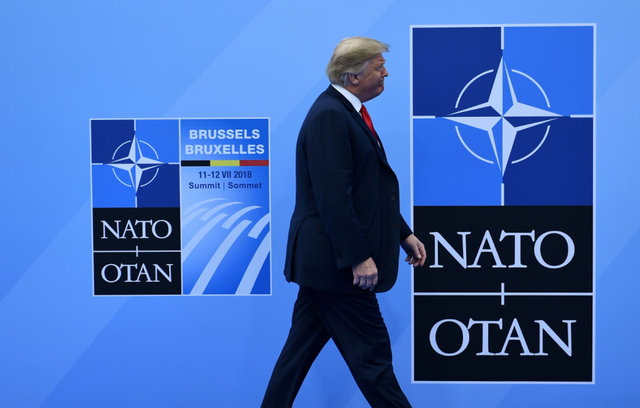
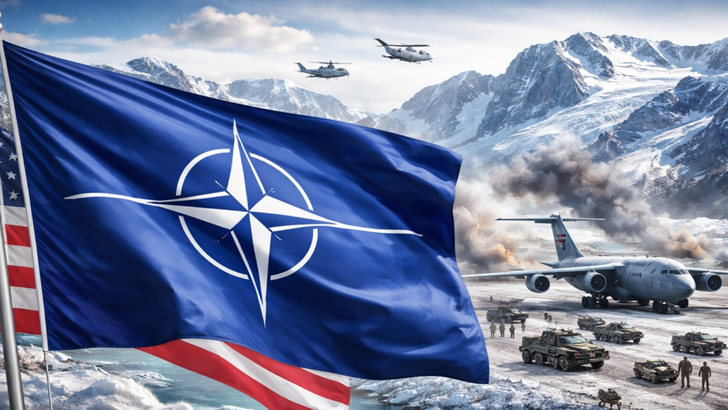
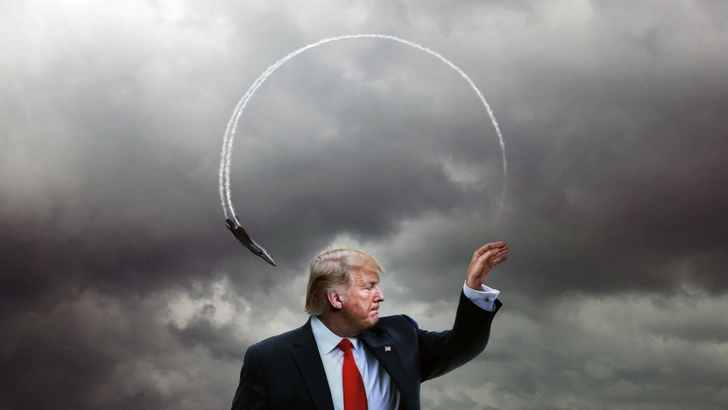
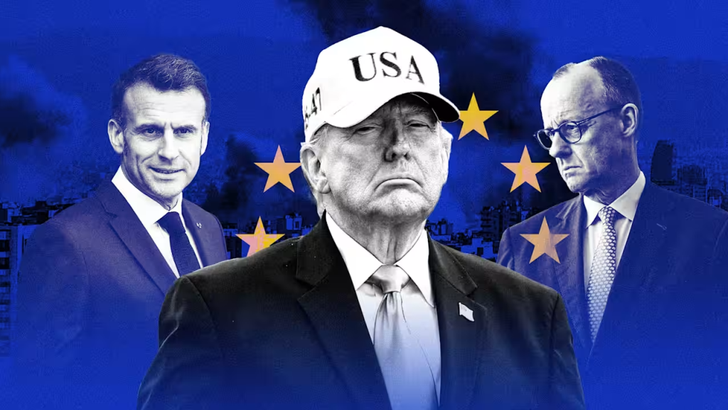
Donald Trump has once again questioned one of the pillars of the Western order: the United States' presence in NATO.
It's not the first time, but today the context is different, with the war in Ukraine, the conflict with Iran, and growing distrust of European allies. The question, then, is no longer theoretical: can an American president really pull Washington out of the Atlantic Alliance?
It is not an easy operation. In the US, after pressure exerted during Trump's first term, Congress passed a law in 2024, the "National Defense Authorization Act", which limits the president's power.
To withdraw from the Alliance would require the approval of two-thirds of the Senate or a law passed by Congress. In theory, then, no president can decide alone. In practice, however, things are more complicated. The US Constitution does not clearly clarify who has the power to withdraw from an international treaty.
Throughout history, several presidents have abandoned agreements without a parliamentary vote, each time opening up a gray area that has never been fully resolved. It is precisely on this unclear terrain that an institutional clash could develop: the Commander-in-Chief versus Congress, with the Supreme Court perhaps called upon to resolve the issue.
Formally, leaving NATO is much simpler. Article 13 of the Treaty provides that any country can leave with a formal notification: after twelve months, the withdrawal becomes effective. Without negotiations, without vetoes from other members.
A linear mechanism, conceived during the Cold War years to guarantee national sovereignty. And herein lies the paradox: leaving NATO is relatively easy on the international level, but potentially difficult and conflictual on the domestic American level.
There is, however, an even more important, often underestimated, point. The United States can weaken the Alliance without formally leaving it. NATO is based on a key principle, Article 5, which provides for collective defense in the event of attack. But there is no automatism: each country decides how to intervene.
In other words, it all depends on political will and credibility. A skeptical, or openly hostile, president could stay in NATO but exhaust it from within: reduce military commitment, slow down decisions, question American defense. For European allies, this would be a scenario almost as destabilizing as a formal exit.
The consequences would be profound. Europe would be more exposed, especially on the eastern front, while Russia would immediately gain a strategic advantage. At the same time, the debate, still unfinished, on a common European defense would be reopened, with no short time and cost. China is also watching carefully: every crack in the Western alliance system is a geopolitical opportunity.
Therefore, beyond the legal aspects, the real question is political. Can Trump really pull the United States out of NATO? Perhaps, but not without obstacles and conflicts. He could, however, radically change the functioning of the Alliance even while remaining within it. And this is a scenario that, according to many observers, has already begun./ Corriere della Sera