Is this police force professional and capable of handling violen...
/ 2026-10-16 18:54:07Focus


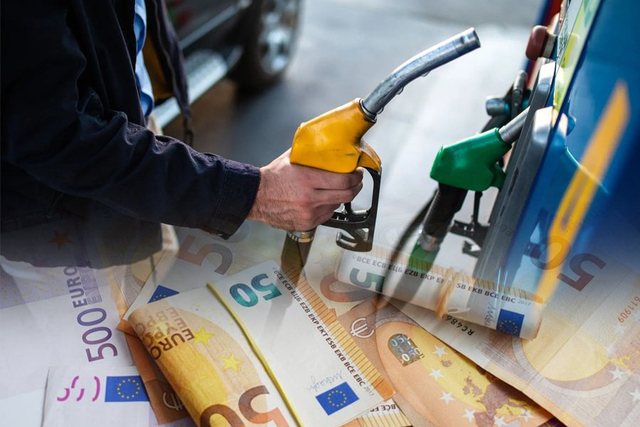
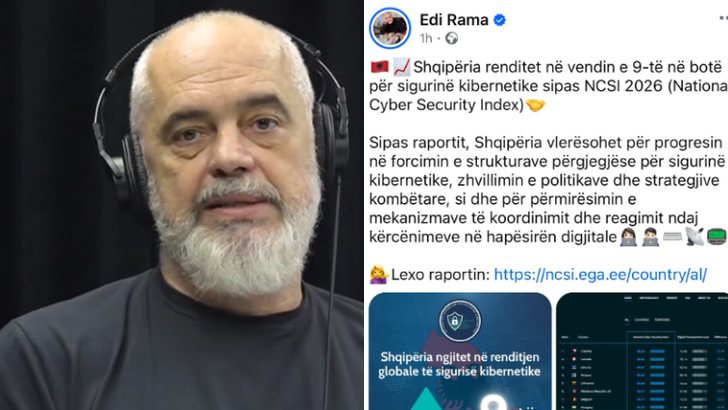
Edi Rama, in a meeting with the Socialist Party structures, also spoke about the price of fuel.
He also gave an explanation why the Government does not remove the turnover tax, which would ease the price of fuel in Albania.
"We have done the math, if we remove the sales tax from the price of oil, the price will drop, but everyone who owns a vehicle will have to pay 4 times what they pay today, on average."
Instead of charging everyone four times the price, we thought it would be better if those who spend the most on oil paid more.
"In a way, those who burn more fuel are more polluting," Rama said.
His argument is, in fact, a big lie.
If the turnover tax were abolished, Albanians would only pay it once and would not pay four times as Rama says, but much less.
But the Government is not interested in removing this tax, because it takes money from citizens for every liter of diesel they consume.
And a country like ours, which produces nothing and has no large businesses or industries to support the state with taxes, the government is kept afloat only by the taxes it imposes on its citizens.
Unlike countries in the region and Europe, which have a fixed and annual turnover tax.
Rama knows very well that if he removes fuel taxes, state budget revenues would shrink significantly and a large hole would be created for the Government.
Therefore, he insists on not removing any taxes.
Not that he feels more sorry for the citizens than the prime ministers of Kosovo, North Macedonia, and Montenegro, where the turnover tax is annual and the price of fuel is many times lower.
As Rama reminds us, the circulation tax in these countries ranges from 100 to 200 euros maximum.
Whereas in Albania, since we pay for every liter of oil we consume, this tax is many times higher than in these countries.
©Copyright Vox News
This article is exclusive to Vox News, and is copyrighted under Law No. 35/2016, "On Copyright and Related Rights". The article may be republished by other media only by citing Vox News and including a link to the source at the end, otherwise any violator will be held liable under Article 178 of Law No. 35/2016.