Is this police force professional and capable of handling violen...
/ 2026-10-16 18:54:07Focus


By Jonathan Lemire and Simon Shuster – The Atlantic
In July 2018, NATO’s gleaming new headquarters in Brussels was poised to host its first summit of leaders. Dignitaries from around the world gathered in the arched buildings designed to look like interlocking fingers. But the Europeans hosting the party were worried. The nominal guest of honor, President Trump, had spent months questioning the need for U.S. membership in an organization that had emerged from the ashes of World War II as a bulwark against Moscow’s aggression.
He quickly ruined the celebrations.
During a closed-door meeting with other leaders, the president went on a tirade, berating other nations for failing to spend the 2 percent of their GDP on defense, demanding better relations with Russia, and threatening to pull the United States out of NATO if he didn’t get what he wanted. Trump eventually relented. But just the next week, he met with Vladimir Putin at a summit in Helsinki and repeatedly sided with the Russian leader, who has made it his mission to undermine the alliance. Nearly eight years later, Putin may get his wish.
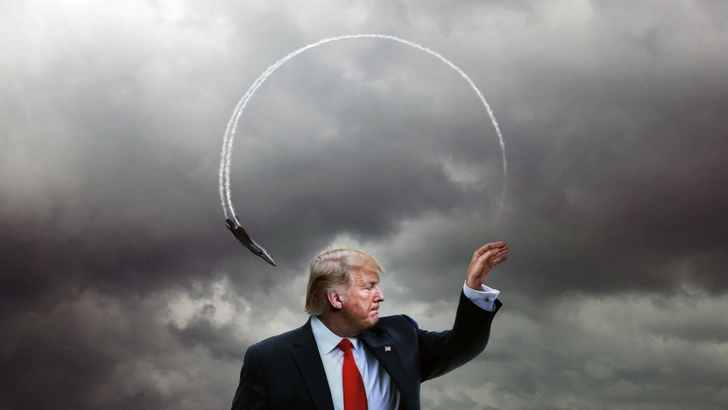
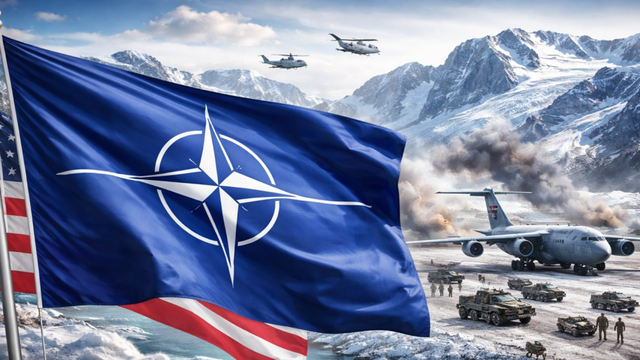
Trump is now demanding that NATO help the United States reopen the Strait of Hormuz, a vital passageway through which 20 percent of the world’s oil passes, which Iran has effectively closed in response to U.S. and Israeli attacks. NATO has refused. And although Russia is playing only a secondary role in the crisis there, Moscow could emerge as one of the winners of the war. The standoff over the strait has created an unexpected new strain in the relationship between Trump and NATO, one that may not completely destroy the alliance but could weaken it fundamentally.
“I think he effectively dismantled NATO on Iran,” a senior European Union diplomat told us on condition of anonymity to be candid about geopolitically sensitive topics. And that diplomat made a grim prediction that Trump’s likely retaliation would be a reduction in the number of American troops on the continent.
"If we didn't expect his withdrawal of troops, we should have."
His advisers have told us that Trump had hoped that the attack on Iran would follow the plan established by the raid to capture Nicolás Maduro from Venezuela: a swift strike that removes the existing leadership, allowing a more compliant figure to be installed at the head of the government. Even though Ayatollah Ali Khamenei is dead and thousands of Iranian military targets have been struck, the hardline regime leaders in Tehran have remained in power, firing missiles at their Gulf neighbors and blocking access to the Strait of Hormuz — just as Pentagon officials and military think tanks have predicted for decades.
General Dan Caine, the chairman of the Army Joint Chiefs of Staff, warned Trump on the eve of the invasion, but the president dismissed the warning, believing Iran would capitulate instead.
He was wrong. Iran closed the strait. Oil prices have risen by more than 40 percent in the past month, and gas costs have risen sharply at the pump for Americans. Any U.S. attempt to reopen the waterway would carry risk. Even though the Iranian navy has been destroyed, it could still fill the strait with mines.
Damaging an oil tanker or an American warship would require only a single drone — or a speedboat packed with explosives, or a missile launched from a ship or shore. If American Special Forces were deployed to secure the strait, casualties would surely follow. So Trump instead asked other nations for help in keeping the waterway open, especially European allies.
Many European governments are reluctant to engage in military action and were frustrated that the Trump administration did not consult them before the war. Plus, many of them feel a lingering anger over Trump's efforts to force Denmark to relinquish control of Greenland earlier this year.
This, in particular, was a turning point for the alliance, a number of officials believe. Repeated offers from Europe — promising the U.S. access to bases, minerals and more — were ignored, and when Trump went to the World Economic Forum in January, some of them … openly wondered if the U.S. military would invade Greenland. Trump eventually backed down (for now). But the damage was done.
In recent days, several countries have offered to help: France has deployed warships to the region, while Britain, after initially refusing, has allowed the US to use its military bases. NATO Secretary-General Mark Rutte, who is proudly friendly with Trump, has pledged that alliance members will provide some form of assistance. But no one has signed up for the dangerous task of escorting tankers through the strait.
Although Trump had not committed the US Navy to this either, he raged against Europe's reluctance, using social media last Friday to call other NATO members "COWARDS" and claiming that "without the US, NATO IS A PAPER TIGER!" He suggested in an interview that NATO would have a "very bad" future if it did not change course.
And then, this morning, Trump returned to social media to issue a scathing speech criticizing NATO for doing “ABSOLUTELY NOTHING” to help and saying the United States will “NEVER FORGET” the members’ stubbornness.
White House officials and those close to Trump told us there are no active discussions to withdraw the U.S. from NATO, but they stressed that the tepid response to his demands has angered the president, who likely needs no incentive to try to withdraw. To be clear, that would be difficult: The United States is a member by treaty, an area where the Senate has historically had a say.
But a series of court decisions over the past 50 years have given the executive branch more leeway to withdraw from treaties. NATO’s own charter allows a nation to withdraw after giving one year’s notice. The National Defense Authorization Act of 2024, signed into law by President Biden, prohibits a president from withdrawing the United States from NATO without a two-thirds supermajority in the Senate or an act of Congress.
Trump could argue that terminating the treaty is an exclusive executive power, but this action would trigger a major court battle – and perhaps a constitutional crisis.
However, Trump insisted to reporters last week that withdrawing from the alliance is “certainly something we should think about.” He added: “I don’t need Congress for that decision.” Even if he doesn’t try to withdraw, he has other options.
He could cut U.S. funding for NATO. He could refuse to honor the Article 5 mutual defense pact, essentially paralyzing the alliance. Or he could move U.S. troops out of Europe, redeploying them to Asia or the Middle East or bringing them home, leaving the continent with diminished defenses against a Russian threat.
Indeed, Trump has long threatened such action. In July 2020, near the end of his first term, the Pentagon announced plans to reduce troop levels in Germany by a third. “Germany is not paying their bills,” Trump said at the time, referring to a commitment among NATO allies to spend at least 2 percent of their gross domestic product on defense.
Vitin pasardhës, Dhoma e Përfaqësuesve refuzoi të financonte tërheqjen, duke e bllokuar atë në mënyrë efektive. Por Trump vazhdoi të ushtronte presion mbi NATO-n që të ndalonte “shpenzimet e tepërta” dhe të merrte më shumë përgjegjësi për sigurinë e Evropës.
Aleatët janë përpjekur ta qetësojnë atë. Disa muaj pas fillimit të mandatit të dytë të Trump, ata ranë dakord në një samit në Hagë për të rritur shpenzimet e tyre të mbrojtjes në 5 për qind të PBB-së. Premtimi nuk duket se i ndryshoi planet e Trump.
Në tetor, Ushtria Amerikane tha se rreth 3,000 trupa nga Divizioni i 101-të Ajror do të përfundonin vendosjen e tyre në Rumani dhe do të ktheheshin në shtëpi “pa zëvendësim”. Komanda e Ushtrisë për Evropën dhe Afrikën, e cila është e bazuar në Gjermani, u përpoq t’i siguronte aleatët se kjo nuk ishte pjesë e një tërheqjeje amerikane nga Evropa.
Por shumë zyrtarë dhe analistë ushtarakë e panë atë si një shenjë të shpërbërjes së madhe që kishin frikë.
Kongresi mund t’i rezistojë çdo reduktimi më të gjerë të forcave amerikane në Evropë, të cilat numërojnë afërsisht 85 mijë. Sipas Aktit të Autorizimit të Mbrojtjes Kombëtare që Trump nënshkroi në dhjetor, prania e SHBA-ve në kontinent duhet të mbetet në një minimum prej 76 mijë trupash.
Por fillimi i luftës në Iran i ka bërë shumë udhëheqës evropianë të shqetësohen për një ndarje më të thellë brenda NATO-s. Edhe presidenti finlandez Alexander Stubb, i cili ka kultivuar një miqësi me Trumpin për shkak të dashurisë së tyre të përbashkët për golfin, pranoi se një “ndarje” ishte formuar në aleancën perëndimore.
“Është një realitet me të cilin duhet të jetoj”, tha Stubb për The Telegraph. “Dhe unë padyshim përpiqem të shpëtoj atë që mundem”.
Sekretarja e Shtypit e Shtëpisë së Bardhë, Karoline Leavitt, na tha në një deklaratë se “Presidenti Trump ka qenë shumë i zëshëm dhe i ndershëm në lidhje me pakënaqësinë e tij me NATO-n”.
Rusët janë përpjekur ta thellojnë më tej përçarjen. Tashmë, ata i kanë furnizuar Iranit me inteligjencë për shënjestrimin e aseteve amerikane në rajon dhe nuk kanë marrë asnjë ndëshkim nga Uashingtoni. (Në fakt, Trump vazhdon të sugjerojë se Presidenti ukrainas Volodymyr Zelensky është më shumë pengesë për paqen në Evropë sesa Putini).
Më 11 mars, i dërguari i Kremlinit, Kirill Dmitriev, u takua në Florida me mikun e vjetër të Trump, Steve Witkoff, dhe dhëndrin e tij, Jared Kushner, të cilët janë bërë negociatorët kryesorë të Shtëpisë së Bardhë për konfliktin. Deri në atë pikë, iranianët kishin bllokuar Ngushticën e Hormuzit për gati dy javë. Dmitriev ofroi një zgjidhje në një postim në mediat sociale pas takimit: “Sot, shumë vende, kryesisht Shtetet e Bashkuara, po fillojnë ta kuptojnë më mirë rolin kyç dhe sistemik të naftës dhe gazit rus në sigurimin e stabilitetit të ekonomisë globale, si dhe joefektivitetin dhe natyrën shkatërruese të sanksioneve kundër Rusisë”.
The next day, the United States agreed to ease some of those sanctions for 30 days, lifting restrictions on the sale of Russian oil that had been loaded onto tankers. New money would flow into Russia’s war machine as it continued to wage its war against Ukraine. Pundits on Russian state television celebrated the move as a sign of Trump’s weakened position.
“The US has made a concession,” said Kirill Koktysh, a professor at Moscow’s main diplomatic academy. Moscow would be wise to take advantage of the fact that Trump’s party is still in power until the midterm elections, he said.
"We need to make these concessions now and not take on harsh or clear conditions."
It was a victory for Putin. He may get another, bigger one, soon.