"We are drowning..." - From Lisbon, Milan to Tirana, "The Guardi...
/ 2026-10-18 23:13:32Focus



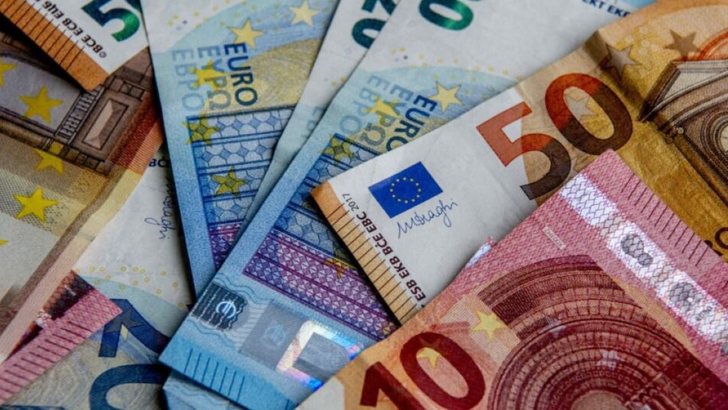
Cash, according to the ECB (European Central Bank), should not disappear; in fact, it plays a key role in crises.
It is no coincidence that in an article with the emblematic title “Keep calm and carry cash”, linked to the economic bulletin, the European Central Bank defines banknotes as “an essential component of national crisis preparedness”, which serves “not only individual needs, but also contributes to broader systemic stability”.
The recommendation is to always keep an amount of money at home "sufficient to cover essential needs for approximately 72 hours."
The study then recommends a cash amount of between 70 and 100 euros for each family member.
These recommendations have already been issued by several European governments, from the Netherlands to Finland to Austria.
In the paper – which analyses the circulation of cash in recent crises, including the pandemic, the Russian invasion of Ukraine, the Iberian blackout in April 2025 and the sovereign debt crisis in Greece – the institution highlights the role of “central banks and the private sector in ensuring a robust supply of cash”.
According to the study, cash is "the only central bank liability directly available to everyone and plays a role not only in everyday transactions, but also as a fundamental pillar of economic stability and public trust."
To give a concrete example, by the end of 2020, the cumulative net issuance of banknotes in the euro area had increased by over 140 billion euros.
A similar effect was seen with Russia's invasion of Ukraine. In countries bordering both countries, the war led to "an increase of about 36% in average net daily issuance of banknotes" during the first month.
Immediately after the start of the conflict, net daily emissions in the affected countries reached a peak of 80 million euros in a single day in late February 2022.
"All these different crisis episodes highlight that the utility of cash intensifies significantly when stability is threatened, regardless of the nature or geographical extent of the shock or the degree of digitalization," the study warns.
"Overall, these cases highlight an important trend: in times of acute stress, the public often turns to physical cash as a reliable store of value and a flexible means of payment, highlighting the crucial role it plays beyond its convenience for everyday use."