"We are drowning..." - From Lisbon, Milan to Tirana, "The Guardi...
/ 2026-10-18 23:13:32Focus


The Bank of Albania carried out two Euro purchase operations in the foreign exchange market last week.
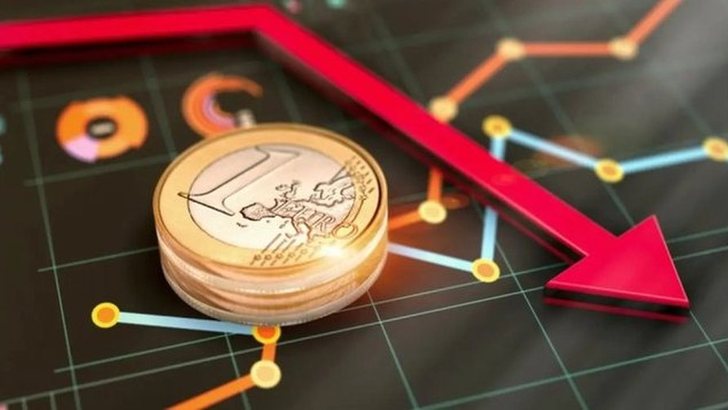
On September 17, the Central Bank carried out direct purchases, with the aim of curbing the further decline in the exchange rate, on the day when the Euro touched a new historical minimum, at the value of 96.78 lek. The amount of the direct purchases of the currency, as usual, has not been made public.
Meanwhile, on September 19, the Bank of Albania organized the next planned auction for the purchase of Euros, in function of foreign exchange reserve needs.
The amount planned to be purchased in the first round of the auction was between 5 and 10 million euros and the Bank of Albania decided to purchase the full upper value of the interval of 10 million euros. The purchases in the first round were made at an exchange rate that was in the range between 96.89 and 97.03 lek. The weighted average exchange rate of the purchases in the first round was 96.98 lek.
The Bank of Albania also exercised the purchase option in the second round, for an additional amount of 2.4 million euros, at an average exchange rate of 96.98 lek.
The bids submitted by the auction participants were quite high. In the first round, total bids were submitted in the amount of 20.8 million euros.
During 2025, the Bank of Albania has scheduled a total of 22 auctions for the purchase of foreign exchange, and 17 of them have been held so far. The highest concentration of auctions has been in the months of July-August, when the foreign exchange supply is also greater. In total, the Bank of Albania aims to purchase through auctions 270-350 million euros, or 20 million euros more compared to the 2024 target, both in the lower and upper ranges.
So far, official information on this year's purchases is only available for the first quarter, when a total of 33.2 million euros were purchased. However, after the second quarter, it is estimated that the volume of purchases has increased significantly, either due to the increase in the number of planned auctions or the resumption of direct foreign exchange purchase operations after the second quarter.
The fall of the Euro, the “spring effect” and the growing role of card payments
According to the official exchange rate of the Bank of Albania, on Tuesday the Euro was exchanged for 96.83 lekë, very close to the historical minimum of 96.78 lekë on September 17. Foreign exchange agents explain the continued decline of the Euro with the high supply of the European currency.
They also believe that the market occasionally experiences a so-called “spring effect.” This occurs when a high demand for currency leads to a temporary and short-term increase in the Euro exchange rate. This happened in late August and early September, when the Euro exchange rate rose to near the 98 lek mark, due to purchases by a large company in the country.
After the completion of this large purchase operation, demand fell immediately, creating a kind of spring-loaded effect. The indicative entities (mainly commercial banks) that had accumulated foreign exchange immediately switched to a selling position, causing an immediate drop in the exchange rate. In this case, this effect seems to have caused an even stronger drop in the exchange rate compared to the previous levels in August.
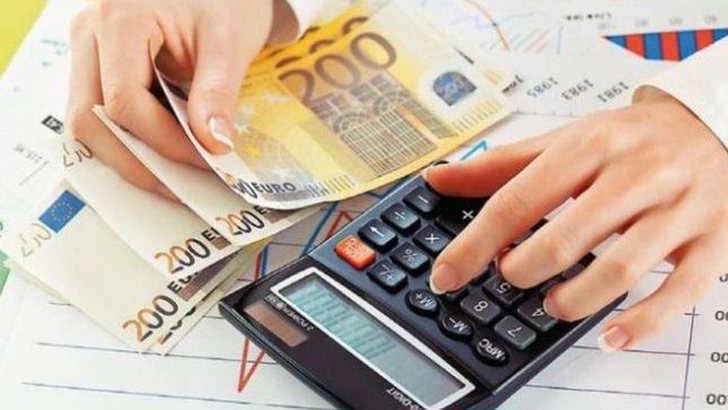
Also, agents say that the summer season has created periodic accumulations of currency deposited in banks by their clients. An increasingly greater effect, according to bankers and exchange agents, is the automatic exchange associated with purchases via payment cards in foreign currency. The increase in the use of cards by foreign tourists has brought large inflows of Euro exchange for commercial banks and has become a factor with a significant impact on the exchange rate.
On the other hand, the government's fiscal policy continues to play an additional role in tightening the supply of the Lek and appreciating the local currency. For the first eight months of 2025, the budget was in a large surplus of more than 41 billion Lek. However, the surplus has decreased by approximately 30% compared to the same period a year ago.
Although the Euro-Lek exchange rate continues to decline, the annual rate of decline has already slowed significantly. Currently, the annual decline in the Euro exchange rate is close to 2%, down from approximately 7% a year ago./monitor.al