Is this police force professional and capable of handling violen...
/ 2026-10-16 18:54:07Focus


G7 finance ministers held an emergency meeting today to discuss releasing strategic oil reserves, an effort to stabilize energy markets after a surge in oil prices caused by the conflict in the Persian Gulf.
The discussion focused on the impact of the war with Iran on global energy markets.
At least three G7 countries, including the United States, have expressed support for a coordinated release of oil from strategic reserves.
Some US officials estimate that a release of 300-400 million barrels would be appropriate. This represents about 25%-30% of the combined strategic reserves of IEA member countries.
However, the meeting of G7 finance ministers and the International Energy Agency (IEA) ended without an agreement to release strategic crude oil reserves.
The IEA's 32 member countries hold strategic reserves as part of a collective emergency system designed to deal with supply crises and sudden increases in energy prices.
Oil price increase
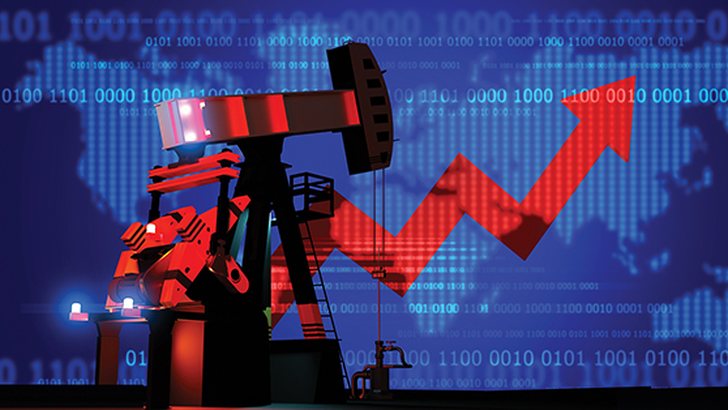
Oil prices have increased significantly since the beginning of the conflict.
International benchmark Brent rose as high as $116.71 a barrel during Asian trading on Monday, before falling to around $110.85, still about 19% higher.
Meanwhile, US West Texas Intermediate (WTI) crude oil temporarily rose to $116.45 per barrel, before stabilizing around $108.
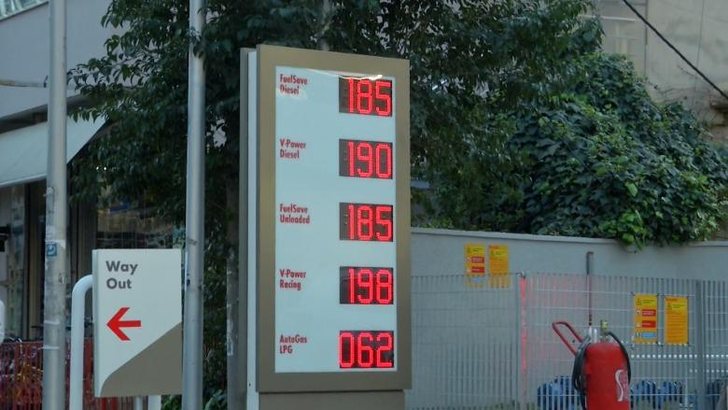
The price hike has also had an immediate impact on fuel. In the United States, the average price of gasoline reached $3.45 per gallon, up from $2.98 just a week ago.
Analysts warn that the rapid rise in energy prices could trigger a new wave of inflation and harm global economic growth. The countries most exposed to the price shock are major oil importers such as China, India, South Korea, Japan, Germany, Italy and Spain.
The strategic oil reserves were created in 1974, after the Arab oil embargo that caused major fuel shortages and sharp price increases in Western countries.
Since the IEA's creation, the reserves have been collectively used five times, including in 2022, following the Russian invasion of Ukraine.
Discussions about releasing reserves come at a time when US President Donald Trump faces great political pressure to curb rising energy prices and inflation.
However, in a post on the Truth Social platform, Trump downplayed concerns about rising oil prices, saying they are a small cost compared to global security and eliminating the Iranian nuclear threat.
Meanwhile, financial markets have reacted negatively to the developments. Stock markets in many Asian countries suffered sharp declines, while US markets are also expected to open with significant losses.