Is this police force professional and capable of handling violen...
/ 2026-10-16 18:54:07Focus


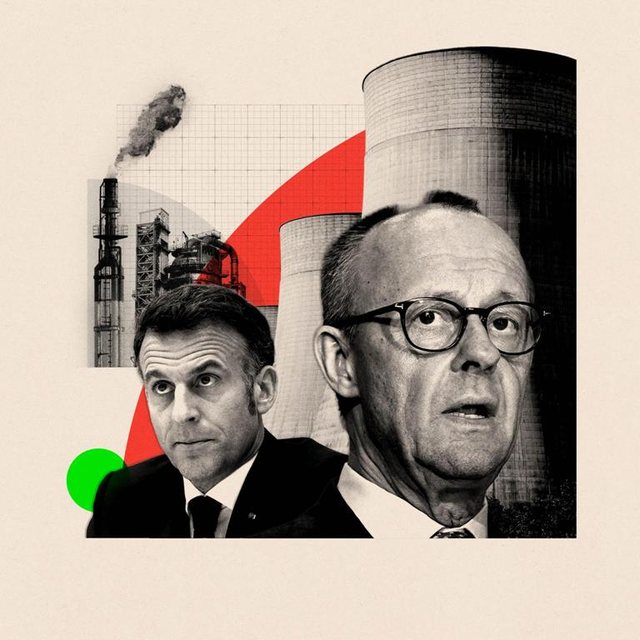
The conflict sweeping the Middle East has begun to hit Europe, reviving memories of previous crises that rocked the European Union.
Seven months after Russia’s full-scale invasion of Ukraine in February 2022, European Commission President Ursula von der Leyen accused Russia of manipulating the EU’s energy market, saying “they would rather burn gas than hand it over.” She called the situation a “war on energy, our economy, our values and our future.”
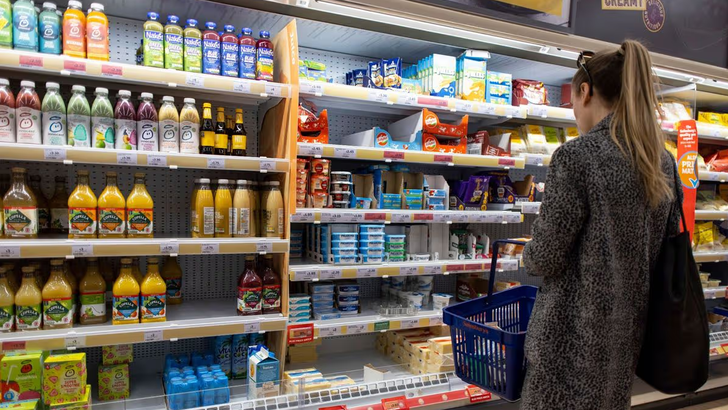
But four years later, Europe is once again facing deep energy frustration, this time due to the conflict in the Middle East and rising energy prices that are expected to dominate the summit of European leaders in Brussels.
EU diplomats claim that, in addition to long-term plans for Europe's competitiveness in the world, leaders are now concerned about energy prices, voter reactions and are looking for quick solutions.
"The same crisis as after Russia's invasion of Ukraine: different conflicts, but the same divisions and energy dilemmas," says an anonymous European diplomat.
The most affected countries and their dependence on the US
Since 2022, Europe has significantly reduced its dependence on Russian gas, oil and coal. Today, only 2% of oil imports come from Russia, and Russian gas imports will stop completely next year, switching to suppliers such as Norway and the United States.
The US has taken on a key role in securing energy for Europe, becoming the largest supplier of LNG (liquefied natural gas). Germany now gets 96% of its LNG from the US. This dependence explains why German Chancellor Friedrich Merz remained silent during a meeting with Donald Trump at the White House when the US president threatened a trade embargo on Spain.
The deal Von der Leyen signed with Trump envisages the purchase of $750 billion in American oil, LNG and nuclear technologies over the next three years. But it puts the EU in a weak position vis-à-vis the US and makes the continent highly vulnerable to global prices and political crises.
The Danger of the Strait of Hormuz
The Strait of Hormuz, one of the world's most important oil shipping routes, has been virtually blocked by Iran since the US and Israeli attacks on February 28. Any blockage of the strait could cause price increases that directly affect Europe, even though physical imports from the Middle East are limited.
Oil and gas prices rose sharply on March 2, reflecting supply uncertainty and fears of a contagion. Experts warn that Europe's dependence on external suppliers, such as the United States and Norway, poses unexpected risks, including natural or political ones that could disrupt supplies.
Pressure on the EU and the search for short-term solutions
On the eve of the EU summit, leaders are worried about energy prices, potential inflation and the influx of refugees from the Middle East, which could favor populist politicians. Quick measures such as price caps, tax changes and aid for industry are being discussed.
European governments are also looking to the example of China, which has made progress with electrification and reducing dependence on oil and gas, with more than 30% of final energy consumption coming from electricity, compared to just 20% global average and less than 25% in the EU.
Divisions within the EU and the challenges of green politics
Divisions are deep in the EU: Countries like Spain, Sweden and Denmark support maintaining the Emissions Trading System (ETS), while Central European countries and Italy want to see a reduction in energy prices. Many experts warn that the EU needs a long-term and realistic plan to ensure energy independence and security, by investing in nuclear, solar and renewable energy.
According to expert Georg Zachmann, the EU's legal goals of reducing emissions by up to 90% by 2040 are too ambitious and challenging, while politicians are afraid of the cost and the reactions of voters.
Will the war in Iran be a turning point?
Expert Dan Marks says that every gas crisis is seen as a turning point, but the reality is that Europe remains as exposed as ever.
EU leaders meeting in Brussels are aware of this, but the question is whether they will have the unity and courage to make significant changes to energy policy./ BBC