Is this police force professional and capable of handling violen...
/ 2026-10-16 18:54:07Focus


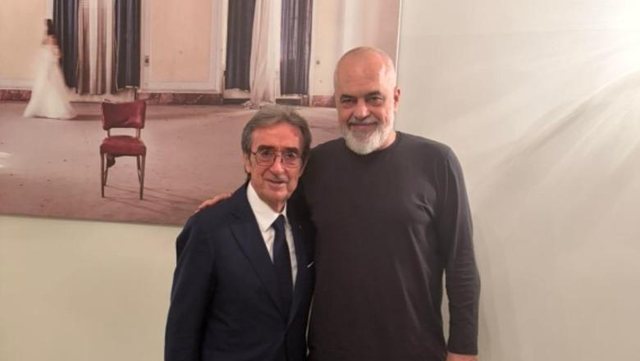
Basketball champion, sculptor, lecturer at the Academy of Fine Arts. And now also a wine grower. Edi Rama, the Albanian prime minister, dreams and projects the oenological Renaissance of his country. He relies on indigenous grapes and vineyards with ancient roots, neglected during the years of the communist regime of Enver Hoxha until 1991. Now a new stage begins; the Albania of rubber boats is a memory. Tourists are potential wine consumers. Rama's model is the Italy of wine. For this reason, the prime minister, who speaks and writes Italian and has good relations with Giorgia Meloni, has called on the world president of oenologists, Riccardo Cotarella, as a consultant.
What is the situation of vineyards in Albania?
"Agriculture is experiencing a silent but profound transformation. For years it has been seen as a survival sector, fragmented, family-based, almost nostalgic. Today it is transforming into a sector of identity, quality and added value. Vineyards are a symbolic part of this: we are not yet talking about large volumes, but about a very serious potential. Albania has about 10 thousand hectares of vineyards and a very ancient tradition, interrupted especially by communism. Then the recovery and growth began year after year."
Is there a rebirth?
"Not just a renaissance. It has been a return to what belongs to us. Wine belongs to our history, our land and our Mediterranean way of life. After the '90s, this sector was forced to start almost from scratch. Today we see families, young producers, oenologists and entrepreneurs who are rebuilding a history."
What is the project you are launching?
"Simple to say and difficult to achieve: to put Albanian wine on the map of Europe. Not as a folkloric curiosity, but as a serious product of a Mediterranean country with autochthonous varieties, extraordinary landscapes and a new culture of quality. We have a great guarantee to achieve this: Riccardo Cotarella, great master of wine, in love with Albania."
What will you do?
"With Cotarella and a large group of enthusiasts and professionals in the field, we will work in three directions: first, to map and protect wine areas and autochthonous varieties; second, to help producers and wineries increase quality through technology, packaging and certification; third, to connect wine, tourism, gastronomy and territories."
What is the objective?
"It's not about becoming a big industrial producer. Albania should aim for quality, authenticity and uniqueness. We can build a brand: Albania, land of indigenous wines, small territories, family wineries and still authentic landscapes."
Can there be an international market?
“Po, duke hyrë nga porta e identitetit. Askush në botë nuk pret një Cabernet shqiptar çfarëdo. Por një Kallmet i mirë, një Shesh i Zi i mirë, një Vlosh i mirë, një Puls i mirë e kështu me radhë, me një histori të vërtetë pas tyre, mund të zgjojnë kureshtje dhe të fitojnë tregun. Bota e verës kërkon gjithmonë gjeografi të reja, për sa kohë janë të besueshme. Shqipëria mund të jetë e tillë”.
A frymëzoheni nga Italia?
“Italia është një shkollë botërore e verës, por mbi të gjitha është prova se vera nuk është vetëm bujqësi. Është peizazh, kulturë, arkitekturë, kuzhinë, kujtesë familjare, turizëm, eksport dhe krenari kombëtare. Por të frymëzohesh nuk do të thotë të kopjosh. Vera jonë duhet të flasë shqip”.
Po synoni te enoturizmi?
“Absolutisht po. Enoturizmi është ndoshta pjesa më natyrale e projektit. Shqipëria ka një fat të madh: turisti nuk kërkon vetëm detin, por përvojën. Dëshiron të hajë, të pijë, të ecë dhe të takojë njerëz të vërtetë. Kantinat mund të bëhen porta hyrëse drejt territoreve: Berat, Përmet, Lezhë, Korçë, Shkodër, Elbasan, lugina e Vjosa dhe madje rrethinat e Tiranë apo Durrës. Ne nuk duam vetëm të shesim shishe vere. Duam që njerëzit të përjetojnë vendin nga ku lind ajo shishe”.
Çfarë qarkullimi ekonomik mund të ketë?
“Nuk dua të hedh shifra magjike. Por vera është një nga ata sektorë ku ndikimi është shumë më i gjerë sesa vetë shishja: bujqësi, përpunim, logjistikë, dizajn, paketim, restorante, turizëm, eksport dhe formim profesional. Një kantinë e ndërtuar mirë nuk krijon vetëm punë direkte; krijon një ekosistem”.
Cilat janë zonat më të mira?
“Nuk duam një kryeqytet të vetëm të verës, por një konstelacion zonash. Berati ka tashmë një reputacion të fortë; Lezha lidhet me Kallmetin; Përmeti ka potencial të jashtëzakonshëm për natyrën, gastronominë dhe autenticitetin; Korça dhe zonat më të larta japin freski dhe karakter; Shkodra, Elbasani, Tirana dhe Durrësi kanë tradita dhe tregje të afërta. Forca jonë është diversiteti: det, kodra, male, lumenj dhe mikroklima pranë njëra-tjetrës”.
A i pëlqejnë turistëve?
“Reagimi më i shpeshtë është surpriza. Dhe surpriza është një kapital i çmuar. Shumë prej tyre vijnë pa pritur shumë nga vera shqiptare, pastaj zbulojnë kantina të bukura, prodhues pasionantë, varietete të panjohura dhe çmime ende të arsyeshme. Detyra jonë është ta kthejmë surprizën në besim”.
Ka prodhues të rinj?
“Po, dhe ky është ndoshta sinjali më i bukur. Ka të rinj që nuk e shohin më fshatin si një dënim, por si një hapësirë sipërmarrjeje, krijimtarie dhe rikthimi te rrënjët. Disa kanë studiuar jashtë, të tjerë kanë mësuar në familje, ndërsa disa po eksperimentojnë. Kjo brez është thelbësor sepse bashkon kujtesën me modernitetin”.
Cila është vera juaj e preferuar shqiptare? Po italiane?
“Mes verërave shqiptare kam një dashuri të veçantë për Kallmetin, sepse ka diçka thellësisht tonën. Mes verërave italiane është e pamundur të zgjedh pa i bërë padrejtësi dikujt”.
Marrëdhënia juaj me verën?
"For me, it's not just alcohol. It's conversation, time, a table, and friendship. And in the work I do, that's a welcome rarity."
Is there a wine that reminds you of an episode?
"More than a wine, I remember several tables. In Albania, for a long time, wine has also been this: not a luxury item, but a gesture of home. And perhaps the resurgence of Albanian wine should start precisely from there: turning a family gesture into a business card for the world."
Corriere della Serra