Is this police force professional and capable of handling violen...
/ 2026-10-16 18:54:07Focus


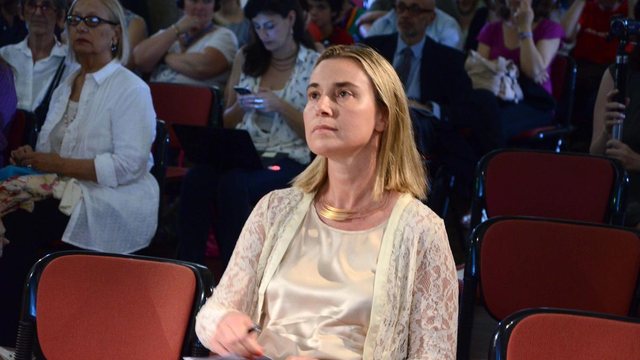
The arrest of Federica Mogherini, one of the most prominent figures in EU diplomacy, currently rector of an elite diplomatic training school, is one of the biggest institutional shocks Brussels has experienced.
The event is unusual not only because of the high profile of the detainee, but because it involves three links of the European political architecture: the European External Action Service (EEAS), the prestigious College of Europe, and the European Public Prosecutor's Office (EPPO) itself. The latter is a new institution that with this move proved that it does not stop at anyone despite political pressure.
According to reports in the Italian and Belgian media, the EPPO's suspicions are of tender manipulation, misuse of funds and conflict of interest. The accusations are still unverified, but this incident touches the heart of the European model of transparency and meritocracy.
For many years, it has been claimed with a certain institutional complacency that Brussels was immune to corruption. The idea had been created that corruption was a problem of those “outside the Union”. The Mogherini case tears this facade apart.
Although it is not an isolated incident (Qatargate), it is the first time that a former head of EU diplomacy has been named as a suspect in an investigation of this nature. Moreover, her public role was accompanied by rhetoric about the rule of law, transparency, anti-corruption, etc. What happened creates a strong contrast. The EU institutions will face a difficult crisis of credibility in relation to others from tomorrow onwards.
Mogherini has also been a key player in Albania's European integration process. She advocated for the opening of negotiations and promoted judicial reform. It is impossible for her arrest not to be associated with great political irony on our side: the person who preached EU standards is himself under investigation for serious violations of these standards.
The impact on the College of Europe in Tirana will be significant. Mogherini is the rector of this institution, while its branches, including the Albanian one, have been presented as values of the Europeanization of the administration. The institution will most likely now be under strict scrutiny and will need increased transparency to avoid chain effects. This is inevitable and the least of it.
It doesn't take much imagination: the scandal will give breath to Eurosceptics, but also to those of us who change the flag according to the wind and sell every soap for political cheese.
In fact, there are always two sides to the coin. The investigation seriously damages the image of the EU institutions, but at the same time it proves that the rule of law in Europe knows no untouchable names. When the EU becomes so strict with itself, this will also be the standard it expects from the aspiring countries: a system that finds the courage to investigate even its most powerful.
Including those who are happy today and are using the occasion as a political tool. Tomorrow they will probably be more exposed than ever because of the raising of the bar. Excitement may give way to surprise: How is it possible that the place where they usually hide is no longer there? / DITA