"We are drowning..." - From Lisbon, Milan to Tirana, "The Guardi...
/ 2026-10-18 23:13:32Focus


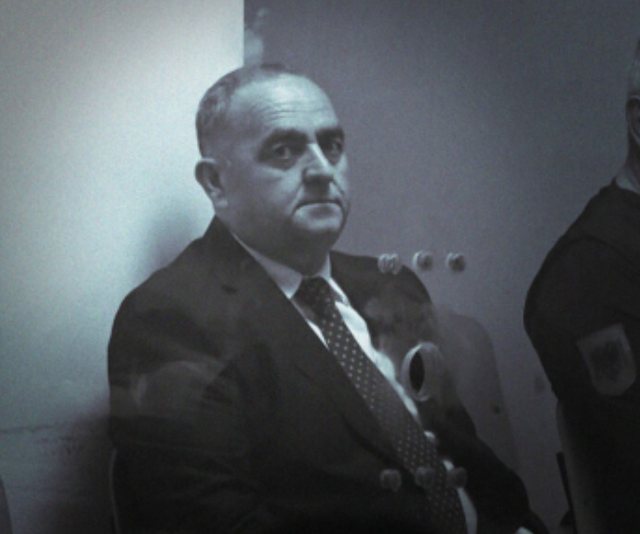
When Albert Einstein said: "Nationalism is an infantile disease. It is the measles of mankind", i.e. "Nationalism is an infantile disease. It is an epidemic of humanity", he must have had in mind some situations like the current one, in this small country of ours, located in one of the most beautiful southern corners of Europe. I remembered this expression when I read that Beleri, elected as the mayor of Himarë in Albania, is running as a member of the European Parliament. So logically, the whole war the politicians who support Himara no longer make sense.
Small and developing countries tend to behave the same before elections. The influence of nationalism in them is quite different from that in larger countries We often see a focus on symbols such as the flag or the chants of the fans, "Ole ole, how nice to be Albanian", thus playing with signs of our national identity. This overemphasis of identity elements inevitably turns into an obstacle for it seen across borders.
National symbolism should be how to develop and enrich the country and not the personal pockets of every elite that comes and goes in this country blessed by nature and abused by man, traditionally. Albania, left and right, should be much more focused on protecting the rights of its citizens everywhere in the world, even those who still live within our borders trampled by history. Making a "goal" or even an "own goal" for the sake of a few votes does not elevate anyone in the course of history.
On the other hand, Greece, although a member of the EU for nearly half a century, never managed to get out of the syndrome of nationalism. Every time it finds an opportunity, it shows this to its neighbors, as in the case of Beleri, but no less shows it to the communities that live within its borders. The report of the European Committee against Racism and Intolerance has appealed that in Greece all communities are victims of frequent hate speech including politicians and civil servants.
Nationalism is also a powerful tool used by politicians to gain popular support, especially in difficult economic or political moments, such as the one Greece is currently experiencing. They often use nationalist rhetoric to focus public attention from real issues and avoid responsibility for their economic and social policies. By playing on feelings of national identity, they aim to create an emotional connection with voters and retain power by turning it into an "us" versus "them" fight.
This behavior of politicians has increased the level of polarization in society and has hindered international cooperation in solving common European challenges. Europe is not only a union that you can only "milk", be labeled a bankrupt country because of this way of conception, and then set a "VETO" for the border countries that do not meet your nationalist desires.
Politicians in every country of the world know only one economy, the economy of votes. Unlike us, politicians in large countries often see nationalism as a means of developing their country's power on the international stage. They use it to emphasize national identity and reinforce the sense of national unity. This is their slogan in the vote economy. This is how they win or lose elections.
When nationalism leads to the denial of diversity and unfair conflicts, it loses its inspiring power. So instead of clinging to worthless symbols of nationalism, let's try to create a rich cultural identity and become part of a global community, taking advantage of our diversity and working for a better future for all."
Above all, to work for the youth, to create critical citizens who know how to analyze the way politicians use nationalism for personal purposes, challenging their rhetoric and looking for lasting solutions to our common problems: the economy of every the individual, not just that of the vote.