How Belinda Balluku is fabricating the rumor about Top Channel's...
/ 2026-10-19 16:19:54Focus


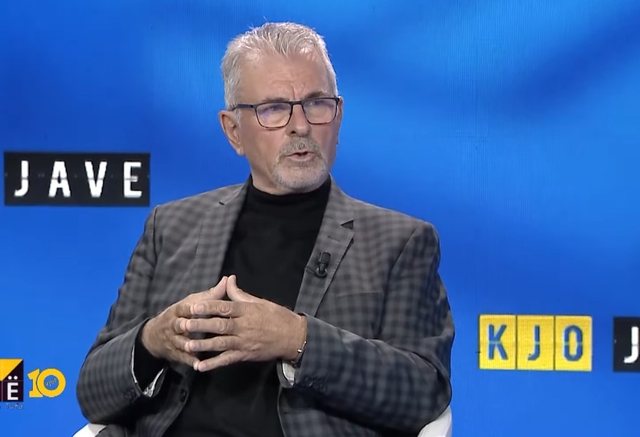
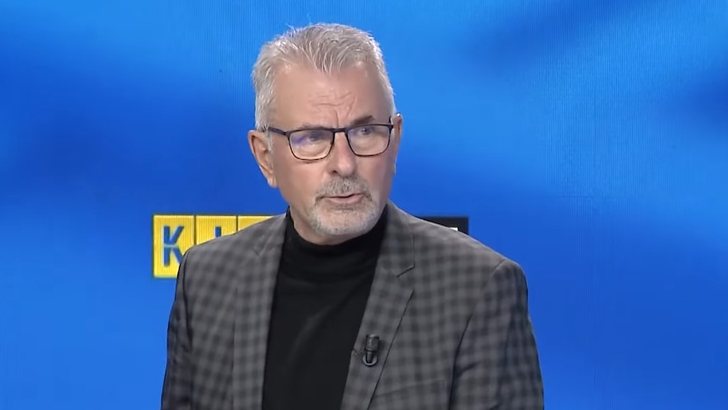
The former director of the State Intelligence Service (SHISH), Visho Ajazi Lika, has recounted an unusual event during his time as head of this institution, indicating that over a weekend, the country faced a serious threat from abroad to a state institution.
Invited to the show "This Week" on News24, Ajazi revealed that the information came from a partner service and contained data about a possible attack, which was classified as a terrorist threat.
"I received information from a partner service that there could be an attack on a state institution. It was the weekend. I went to the Prime Minister's office at 11:00 PM to request an urgent meeting, but the prime minister was not there," said Ajazi.
According to him, after informing the Prime Minister, a meeting of the National Security Council was requested, which met the next day and took the appropriate measures to avert the danger.
"SHISH is a national security institution. It collects information about sabotage possibilities and these are things at a higher level than what we are talking about. If SHISH receives information, has an indication, it notifies other institutions. I'll give you an example. A few years ago, from a partner service, I was informed that an attack could be carried out on a state institution in our country, from abroad, on a weekend. I went to the prime minister's office at 11:00 PM to talk to him. It wasn't the prime minister. It doesn't matter the case. I told the acting prime minister and he said; what can we do? I said do you have a national security group? He said yes. It was a national danger. It was a terrorist threat. The next day the Security Council met and determined the tasks. This was my task and measures were taken. This is how it works normally ," he said.
Question: Is there a warning or monitoring system by SHISH when there are signals of threats?
Visho Ajazi Lika: SHISH is in close contact with the Ministry of Justice, Interior or the Police. If there are indications, we notify the Police. Depending on the level of threat, the work is determined. The service collects intelligence information and forwards it to the relevant institutions, such as the State Police. When the latter investigates and finds legal data, it turns into a criminal case and refers it to the prosecution.