Details of the storm in the administration, here's who will resi...
/ 2026-10-22 22:25:00Focus


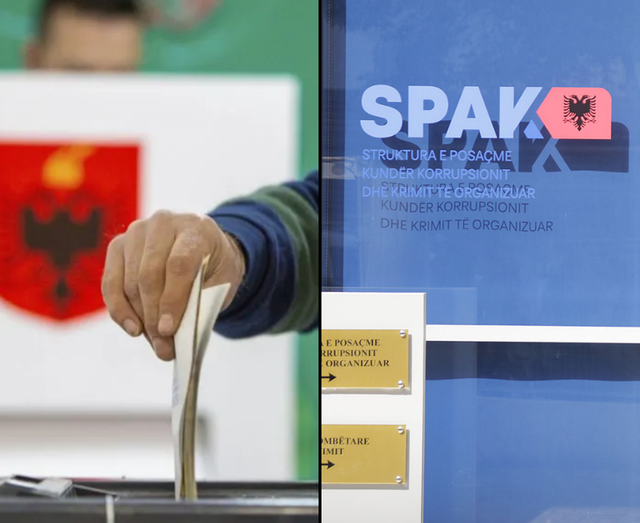
The Special Prosecution Office Against Corruption and Organized Crime has published a detailed explanation for citizens regarding the competencies and the way this structure operates in the investigation of electoral crimes. According to the explanation made public on the official SPAK website, criminal offenses related to the electoral process are numerous and clearly provided for in the Criminal Code.
They include obstruction of electoral subjects, falsification or damage to electoral materials, violation of the secrecy of voting, voting more than once or without identification, active and passive corruption in elections, use of public office for political purposes, intimidation or violence against election participants, obstruction of voters, abandonment of duty by commission members, violation of the right to vote, illegal use of identification documents, as well as abuse of military or police authority.
SPAK has direct jurisdiction to investigate electoral crimes in cases where they involve active and passive corruption. In the case of active corruption, it concerns the provision of money, property or other favors to citizens or persons associated with them, with the aim of influencing the electoral process, such as collecting signatures, voting in a certain way, participating or not in elections, or supporting a candidate or political entity. While in passive corruption, it concerns cases where citizens accept or demand material benefits in exchange for electoral support. Both of these offenses provide for a prison sentence of 1 to 5 years.
The competence of SPAK is expanded if these crimes are committed by high-ranking public officials, criminal organizations, structured criminal groups, armed gangs or terrorist organizations. Among the officials that can be investigated by SPAK for electoral crimes are the President of the Republic, the Speaker of the Parliament, the Prime Minister, ministers and deputy ministers, members of parliament, mayors, judges of the Constitutional and High Courts, the Prosecutor General, the High Inspector of Justice, members of the Supreme Court and the Supreme Court, as well as heads of central or independent state institutions.
Citizens who wish to report an electoral crime can do so in three ways: by submitting a written criminal report to SPAK or by mail, by verbal report to the judicial police in the place where the crime was committed, or through the dedicated platform on the official SPAK website, where anonymity is guaranteed and the opportunity to upload documents or audio/visual materials is offered.