Is this police force professional and capable of handling violen...
/ 2026-10-16 18:54:07Focus


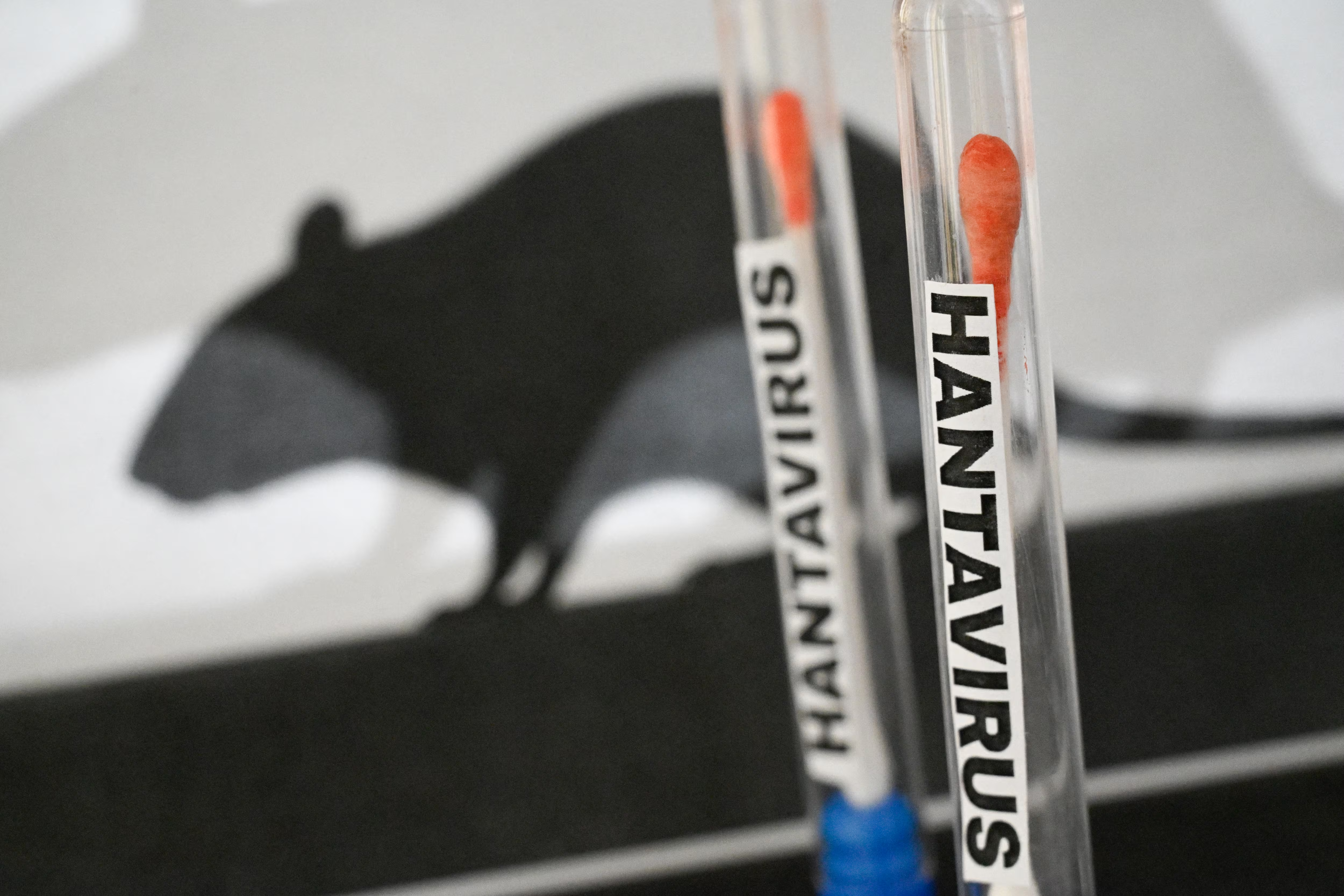
Argentine microbiologist Gustavo Palacios has warned that the Andean virus, a rare form of hantavirus, can be transmitted from person to person even through ordinary social contact, creating so-called "super-spreader" cases.
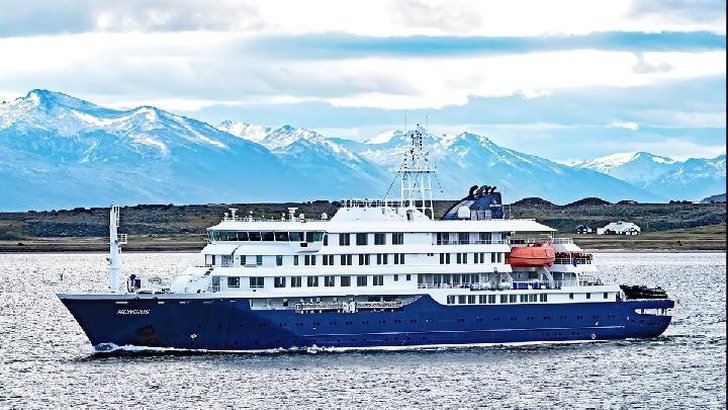
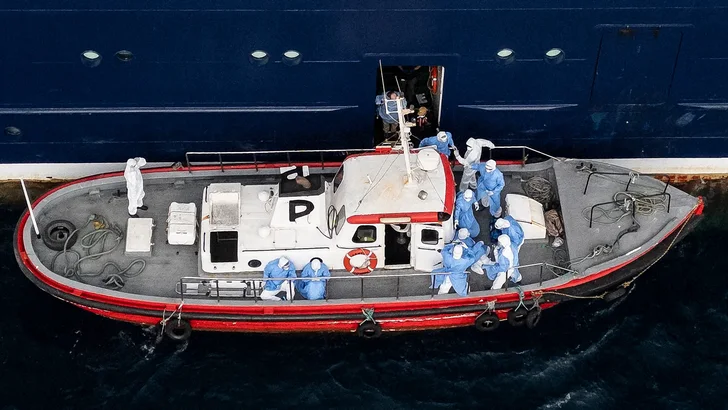
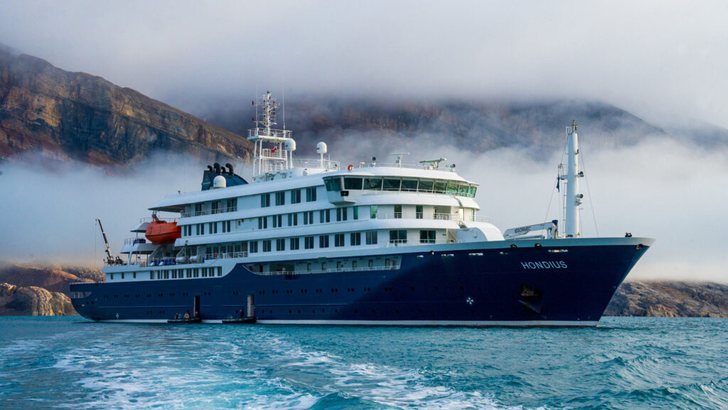
His statements come as international authorities monitor the situation on the MV Hondius cruise ship, where three deaths from hantavirus have been recorded so far.
World Health Organization (WHO) officials have compared the situation on the ship to the severe hantavirus outbreak in Patagonia, Argentina, in 2018-2019, which recorded 34 infections and 11 deaths.
According to Palacios, at that time the virus spread during social activities such as a birthday party, a funeral and a medical visit, indicating that transmission can also occur outside of very intimate or hospital contacts.
"A ship is essentially a place that facilitates transmission," he said, warning that conditions on the MV Hondius could be even more favorable for the spread of the virus than those of the outbreak in Argentina.
Andean virus is considered an exception among hantaviruses, as most are transmitted only from rodents to humans. But according to studies published in The New England Journal of Medicine, this virus has shown the ability to be transmitted from person to person.
Palacios recalled that the scientific community initially refused to believe that hantavirus could spread between humans.
"It was like the story of David versus Goliath. For years we tried to convince the virologists of the world that human-to-human transmission was real," he said.
According to the researcher, even relatively short contacts can be enough for infection. He gave the example of a person who attended a birthday party for only an hour and then turned out to have infected other people.
However, the expert stressed that the situation should not cause panic.
"We should not be alarmists, but realistic," Palacios said, adding that hantavirus does not have the same potential for spread as COVID-19, as the chain of transmission is usually interrupted after several generations of infection.
Scientists warn that the virus's incubation period could last up to 45 days, while health authorities are trying to reconstruct the contacts of people who have disembarked from the ship in recent weeks.