"Condemned" protesters?! Who trapped Rama inside the Prime Minis...
/ 2026-10-23 16:02:00Focus


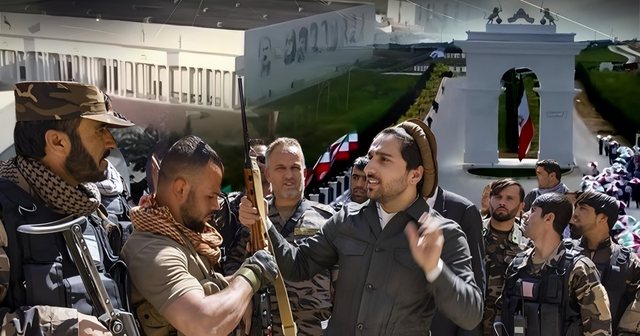
Albania, a small country on the map, but with big stances in foreign policy, has expressed its position regarding the latest conflict in the Middle East, that of Israel and Iran.
But where does Albania stand between these two countries, given its strategic relations with Israel and the presence of the Iranian Mujahideen (MEK) camp in Durrës.
The MEK is an organization with a military structure, described as "terrorist" by Iran itself, but does their presence put Albania at a real risk of indirect involvement in a new conflict?
Specifically, around 2,800 MEK members have been living in Albania for several years, in a camp (Camp Ashraf 3) built specifically for them in the Manzë Administrative Unit, in the Durrës District.
Their arrival was not without incidents in Albania, from the cyberattack to tensions within the camp in Manëz.
Today, Albania has no diplomatic relations with Iran. Not only because of cyberattacks, but also because Tehran has openly threatened our territory because of the MEK.
The current situation in Albania one week after the Israel-Iran conflict
The alarm for Albania was raised when, one day before the start of the conflict, a video of the Mujahideen of Manza circulated online, warning that Israel would attack Iran.
The AI-powered video accurately predicted the targets hit. But the footage was simply a network speculation.
The Chief of Anti-Terror, Alban Dautaj, stated to ZËRI that the situation in the camp is calm and they are on alert, while emphasizing that the videos on the network are speculation.
"The situation is calm. We are monitoring the camp at all times, the alert for that area is permanent, and even more so now in this situation of global threat," said Dautaj.
But why is the MEK seen as a threat? What is the MEK and how did it take refuge in Albania?
The deployment of the mujahedeen in Albania dates back to 2012, when the government led at the time by Sali Berisha accepted the US government's request to host around 210 MEK mujahedeen.
The US government had to evacuate them from its military base in Iraq, after withdrawing from that country.
Further, in 2014, the government under Prime Minister Edi Rama accepted the shelter of hundreds of other mujahedeen, who have continuously arrived since then in various groups.
In February 2016, 22 mujahideen arrived in Albania from their camp in Iraq, bringing the total number of mujahideen sheltered in our country to around 750.
But in total, about 3,000 mujahideen have been sheltered in Albania so far.
MEK ishte ndër nxitësit dhe mbështetësit kryesorë të Revolucionit Iranian të vitit 1979, i cili rrëzoi regjimin e Shahut.
Pas revolucionit, në Iran u vendos një sistem teokratik islamik nën udhëheqjen e Ajatullah Khoeminit, që hasi kundërshtinë e ashpër të MEK-ut që ishte kundër autokracisë islamike.
Si pasojë, regjimi Iranian filloi persekutimin e anëtarëve të organizatës që detyroi drejtuesit e saj dhe mijëra anëtarë të emigronin.
Incidentet në Shqipëri
Një sulm kibernetik në 2022 do të vendoste fundin e marrëdhënieve diplomatike të Iranit me Shqipërinë.
Sulmi kibernetik i Homeland Justice
Shqipëria u përball me një sulm kibernetik, i cili gjunjëzoi komplet shtetin shqiptarë. Sulmi ka ardhur nga Humëland Justice, organizatë e mbështetur nga Irani.
Fillimisht janë sulmuar të gjitha sistemet me të dhënat e qytetarëve në vend, duke nisur nga aplikacioni e-Albania, ku ndodhen çdo rekord i qytetarëve që nga dokumentet mjekësore, të dhënat civile e deri çdo informacion sensitiv i shtetit shqiptarë.
Po ashtu sulmi kibernetik vazhdoi duke bllokuar sistemin TIMS dhe deri te të dhënat e AKSH-it.
Sipas informacioneve dhe të dhënave nga organizatat botërore si dhe DASH-i, dolën në përfundimin që ky sulm është bërë nga Irani. Pas kësaj, qeveria shqiptare mori vendimin për të larguar komplet ambasadën dhe punonjësit iranian nga Shqipëria.
Por një vit më vonë rreziku do të vijonte…Në 2023, aksion i SPAK në kampin e MEK, kundër terrorizmit e sulmeve kibernetike do të sillte dhe një viktimë
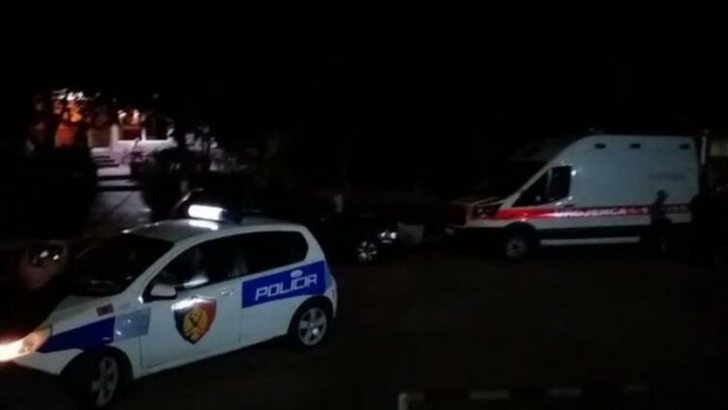
Një kërkim për persona të dyshuar si "të infiltruar të regjimit të Iranit" do të nxiste gjithçka! Me kërkesë të SPAK dhe vendim të Gjykatës së Posaçme, mijëra forca të policisë ndërhynë për të ushtruar kontrolle në këtë kamp.
Muxhahedinët kundërshtuan ndërhyrjen e policisë, duke bërë rezistencë dhe çuar kështu në një konfrontim mes të dyja palëve dhe përdorimin e gazit lotësjellës nga ana e uniformave blu.
Një person humbi jetën, pasi banorët aty u akuzuan për komplot sulmesh kibernetike kundër qeverisë shqiptare.
Banorët e kampit pretenduan se ai u vra nga Policia shqiptare, por ekspertiza nxorri se në fakt kishte ndërruar jetë nga arresti kardiak. Pas përplasjes së 20 qershorit, më shumë se një javë më vonë, Policia shqiptare hyri përsëri në kampin Ashraf-3 dhe forcat e sigurisë u vendosën në hyrje të kampit dhe kontrolluan të gjitha automjetet që dilnin nga vendi. Gjithsej u sekuestruan 150 pajisje kompjuterike, që dyshohet se janë të lidhura me aktivitete terroriste.
Por incidentet datojnë vite më herët
Në gusht të 2018, u raportua se pjesëtarë të këtij komuniteti kishin dhunuar një grup xhirimi britanik, që po filmonte kampin e Manzës nga jashtë rrethimit të tij.
Përplasja u konfirmua nga vetë MEK përmes një deklarate publike.
“On Friday, August 10, 2018, a three-person television crew, secretly and without prior notice, filmed and photographed inside the residence of members of the People's Mojahedin Organization of Iran (PMOI-MEK), refugees in Albania from a neighboring country.
Local Albanian security agents, who spotted this suspicious and illegal act, asked them not to film and to hand over the footage.
But the team members, who introduced themselves as British working for the British television channel Channel 4 TV, ignored this request and continued working until Albanian police arrived and escorted them to the police station," the statement said.
The MEK justified this reaction of its members with the fact that the footage of the camps and its members later ends up in the offices of the Iranian Ministry of Intelligence, which later uses it to denigrate the mujahedeen and their cause for a free Iran.
Given the incidents over the years, is Albania again in danger? Albania itself has no defense capacity, but relies on the early warning system that the US and Great Britain have that warns of missiles. /Z ĪRI