How Belinda Balluku is fabricating the rumor about Top Channel's...
/ 2026-10-19 16:19:00Focus


The Albanian criminal network operating a large-scale online fraud scheme has been dismantled through a collaborative investigation involving Austrian and Albanian authorities, with the support of Europol and Eurojust.
The Greek media outlet 'Protothema' has also written about this call center fraud scheme, revealing how its citizens have fallen prey to this scheme and invested large sums of money.
Article:
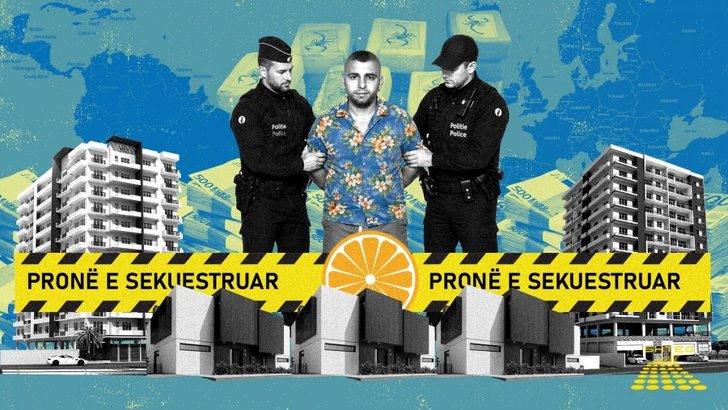
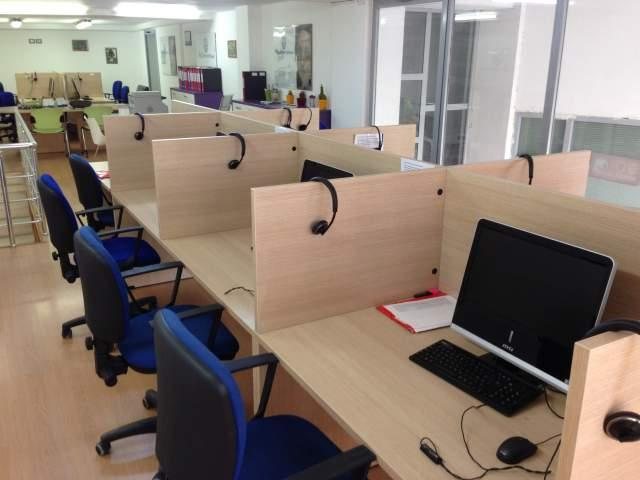
An unprecedented telephone fraud organization, with an extremely complex and large-scale internal structure, has been uncovered in Albania. With a staff of around 450 people, this scheme operated like a large joint-stock company, making the case unique in terms of organization and size.
According to the investigation, it took prosecutorial authorities two full years to unravel the functioning of the network, dismantle it, and arrest at least 10 suspects.
The network, headquartered in Tirana, had extended its activity to several European countries, including Greece. Although Europol and Eurojust have not provided full details on the number of victims, it is believed that a significant portion of the profits of around 50 million euros were taken by Greek citizens.
The scam method was familiar, but still effective. Victims were contacted through phone calls that appeared to come from international numbers such as Greece, Belgium or Britain. In reality, the calls were made from Tirana.
The callers introduced themselves as representatives of international investment companies and promised quick and guaranteed profits, mainly in the cryptocurrency market. In cases where the victims had previously lost money, the scammers promised them recovery of losses and additional profits.
After gaining their trust, victims were pushed to transfer money to fake investment platforms.
The organization was built on a hierarchical structure. At the lowest level were the “advisors” or investment agents, who contacted victims through random phone calls. They were paid around 800 euros per month, plus commissions for each successful case.
Agents worked in teams of 6–8 people, divided according to the languages they spoke, such as English, German, Italian, Spanish, and Greek. Each team was led by a supervisor, who reported to the call center managers.
This structure enabled the network to operate for years and generate significant revenue.
The first step for victims was usually to deposit an initial amount of 500 euros into a cryptocurrency wallet. After that, the fraudsters would intensify the pressure for further transfers, exploiting the trust created.
In June 2023, a significant increase in complaints from victims in the Vienna area led to the launch of in-depth investigations. Austrian and Albanian authorities, in cooperation with Europol and Eurojust, set up a joint investigation team.
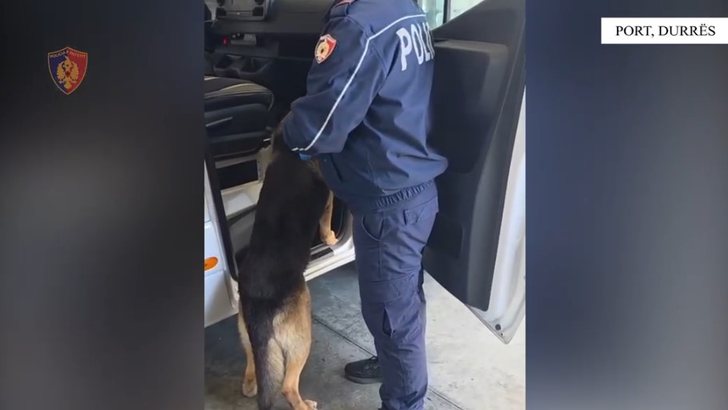
The digital trail led to Tirana, where several premises from which the network operated were discovered. During the operation, checks were carried out in three office buildings and nine private homes.
The checks resulted in the seizure of 443 desktop computers, 6 laptops, 238 mobile phones, data storage devices and around 891 thousand euros.
According to international authorities, this network is expected to serve as a case study on how criminal organizations can be structured according to the model of legal businesses, becoming highly efficient and profitable.