How Belinda Balluku is fabricating the rumor about Top Channel's...
/ 2026-10-19 16:19:00Focus


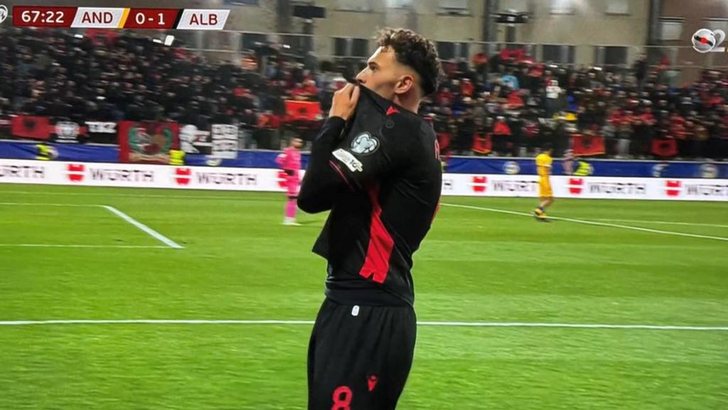
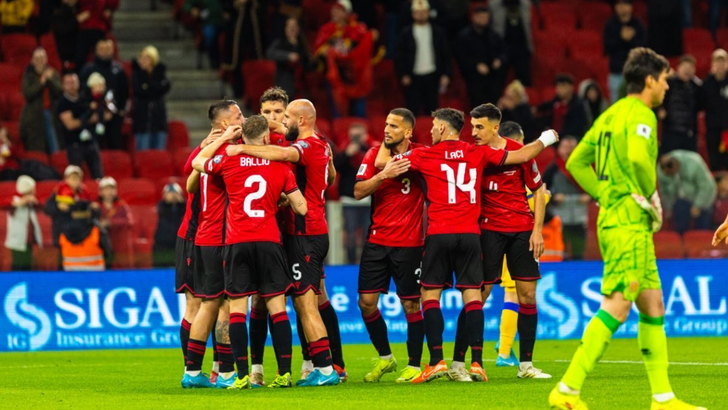
In a stadium that was buzzing with joy, Albania made history by securing its first ever World Cup play-off spot. Everywhere there were bursts of celebration, hugs, shouts of triumph. But at the edge of the stands, far from the lights and glory of the moment, stood a lone figure: Armando Broja.
The striker, who had entered this team with big dreams and heavy responsibilities on his shoulders, looked broken. While his teammates celebrated with the fans who had traveled thousands of kilometers to support him, Broja kept his head down, his eyes red and his hands on his face. Tears were flowing down his face, unable to hide them. It was not an injury, nor any conflict: it was the inner pain of a player who had not managed to contribute as he wanted in the match that could change everything. A match below the tone, a consequence of the constant benches even at Burnley, which have left the striker out of shape.
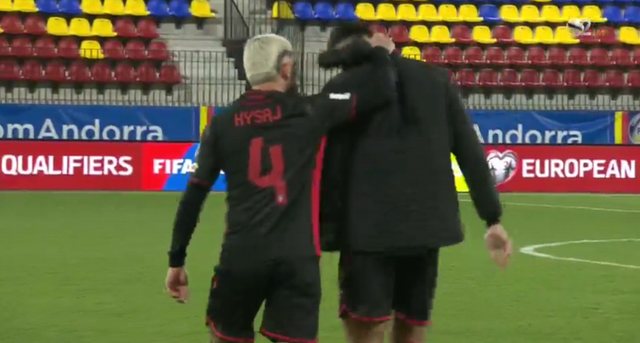
In a touching moment, Elseid Hysaj saw him from a distance, stopped celebrating, and ran towards him. He almost forcefully took him by the arm, lifting him off the bench and speaking to him in the tone of an older brother. “You have to come,” he said, “this day is yours too.” Hysaj pulled him towards the rest of the team, just before the historic photo was taken.
Moments later, the vice president of the Albanian Football Association, Lutfi Nuri, also leaned over to console him. Broja joined the others only out of obligation, with a smile frozen in pain, before disappearing towards the locker room, still shaken, still overcome with emotion.
On an evening of national joy, his silent drama gave the celebration a human touch – a reminder that football is not just about victories, but also about the internal battles that no one sees.