How Belinda Balluku is fabricating the rumor about Top Channel's...
/ 2026-10-19 16:19:00Focus


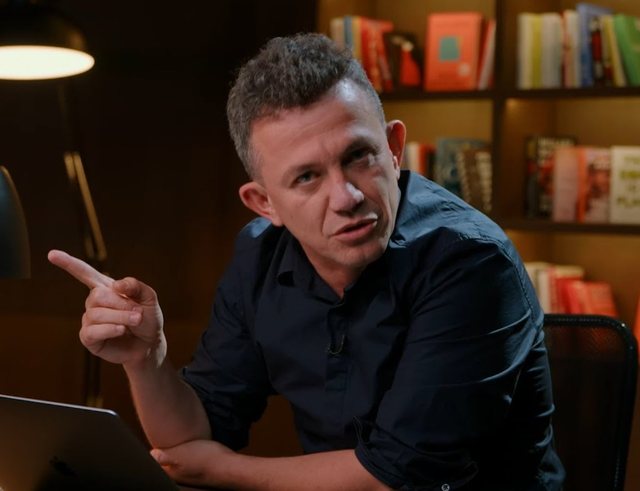
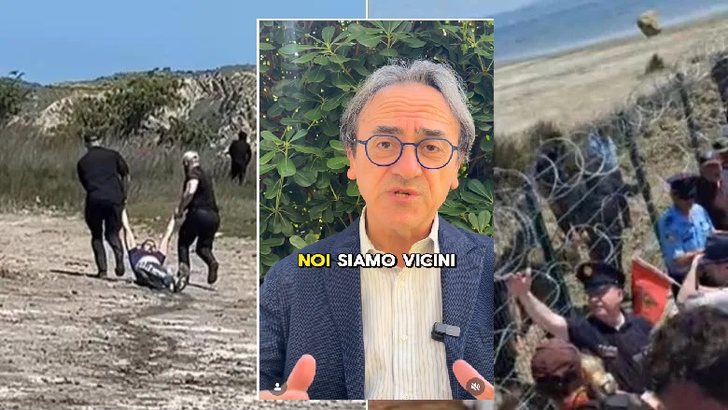
Kosovo journalist and analyst Berat Buzhala was recently in Zvërnec, a village that has currently become one of the most talked about spots in Albania and the wider region, due to discussions about a major tourism investment.
In a lengthy analysis on social media, he also commented on the protests of recent days, which have now moved from Zvërnec to Tirana and have become more massive. Buzhala has "translated" these protests as much more complex movements, where different and often opposing motives have come together.
"I want to say something that has not been emphasized enough in recent days. What we are seeing here is not a protest to protect the environment, to overthrow Edi Rama or for the promenade. In my opinion, it is much more complicated.
"The protest has developed like a political church, a political mosque. In my opinion, each protester is going there for his own troubles. Each believer of this protest is going there with his own troubles, with his own prayer, with his own anger, with his own fear and is hoping that in the end, when the great political upheaval occurs, the political God hopes to fulfill his wish," said Buzhala, who further during his speech also stopped at specific names and well-known public figures who have become part of the debate in recent days.
He focuses on Arlind Qorri, whom he describes as representing a more radical approach against the economic system and capitalism as a whole, not necessarily just against a specific project. He then mentions Alfred Cako and Sazan Guri, linking them to a discourse that, according to him, often shifts from the concrete issue towards broader and more viral narratives on social networks.
The essence of his analysis is that this is not a union for a common idea for the Albania of tomorrow, but a “negative coalition”, united only against a current government. According to him, environmentalists, oppositionists, nostalgic for old systems, ideological radicals and figures seeking media attention are united in the same square, but each with a completely different goal.
Excerpt from Buzhala's speech:
I am in Zvërnec, the most famous village in all of Albania, but which village most of you didn't know existed a week ago. A protest that started here to stop the development of a tourist project. I want to say something that hasn't been emphasized enough in recent days. What we are seeing here is not a protest to protect the environment, to overthrow Edi Rama or for the promenade. In my opinion, it is much more complicated.
The protest has developed like a political church, a political mosque. In my opinion, each protester is going there for his own troubles. Each believer in this protest is going there with his own troubles, with his own prayer, with his own anger, with his own fear, and is hoping that in the end, when the great political upheaval occurs, the political God hopes to fulfill him.
Another resident comes out to defend the property. Agron and Eraldi do not like Edi Rama, they like transparency and come out to protest, but in the same square also comes someone who is nostalgic for the communist past, not because he feels much for nature, but because he does not like capitalism. He does not like someone to invest and earn, that there are rich and poor people, such as Arlind Qorri, who is protesting against the year 2026. He is not actually protesting against a resort, he is probably protesting against the year 2026.
Then comes Alfred Cako and Sazan Guri. They don't care about the project, nor the stork, nor the pelican. They care about the algorithm, about the reach on social networks, because they know that any topic that includes Jews inside goes up in flames on social networks.
Then comes the neighboring nationalist, who is not too concerned about the investment itself; he is concerned about the precedent of the investment, because if this investment comes from such a powerful family, he fears that other investments will come.
So, they are not against Rama, but against Albania. They are not united for the same Albania tomorrow, but they are united against the same government today.
Here we are dealing with a negative coalition. They are not united for the same idea of tomorrow's Albania, they are united against the same government today. They have all boarded the same bus, but each one thinks that the bus will eventually stop in front of his house.