Is this police force professional and capable of handling violen...
/ 2026-10-16 18:54:07Focus


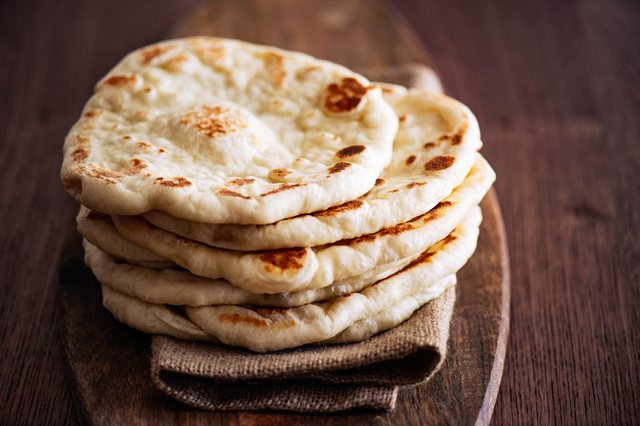
Pillow-soft, naan – a flat, raised dough popular in South Asia – combined with a rich, creamy “butter chicken” sauce is one of the region’s favorite “comfort food” combinations, but also one of the most famous Indian dishes in the world.
And while the spicy and aromatic sauce is often considered the main star, without its humble partner it would lose much of its charm.
The chewiness of naan adds texture to every bite, while its soft flavor perfectly complements the spices and flavor of sauces. In fact, this versatile bread discreetly “carries” the dish it’s served with, allowing the main ingredient to shine.
That's why naan has become one of the most popular breads in the world. Recently, "garlic butter naan" — a fragrant version of the classic naan — took the top spot on the list of the best breads according to Taste Atlas.
It is prepared by spreading hot naan with butter and sprinkling it with a generous amount of finely chopped garlic. Also on the list was “aloo naan,” filled with potatoes sprinkled with a spice blend and coriander.
Although today naan and its variations are a must-have in Indian and Middle Eastern restaurants, they were once served exclusively in the courts of Muslim rulers.
"How did this bread get from royal kitchens to our plates?" writes the BBC.
Origin from ancient Persia
The origins of naan are not entirely clear, but many food historians believe it originated in ancient Persia, as the name comes from the Persian word for bread. The Persians made it from flour and water, and baked it on hot stones.
Nani arrived on the Indian subcontinent with the sultans who ruled large parts of the region between the 13th and 16th centuries. Muslim rulers brought culinary traditions from West and Central Asia, including the use of the tandoor, a clay oven.
The Indo-Persian poet Amir Khusrau mentions two types of naan in his court records: naan-e-tanuk (thin and soft) and naan-i-tanuri (a thicker, puffed bread baked in a tandoor). During the Delhi Sultanate, naan was mainly served with meat dishes such as kebabs and keema.
Luxury reserved for the elite
Royal chefs further refined the preparation of naan by introducing special mixing techniques and adding yeast, then a rare ingredient, to make the bread softer and more airy. Due to its complex and expensive preparation, naan has long been a luxury reserved exclusively for the aristocracy.
During the Mughal Empire, which lasted for the next three centuries, the tradition continued. There were specialist chefs, called naan bais, who developed new variations, from layered naan-e-warqi to smaller loaves that better absorbed sauces.
Some naans were also named after the kitchens in which they were created, such as Baqir Khani, named after a high-ranking court official.
From colonial to global cooking
During British rule, naan remained a food of the elite, but thanks to the travels of British officials, it also reached the West. Over time, the complex techniques were simplified and naan became more accessible to the general population.
Today, it is made from flour, sourdough and yeast, the dough is left to rise, shaped by hand and baked in a hot clay oven until it puffs up and takes on characteristic brown spots. Before serving, it is spread with butter or ghee.
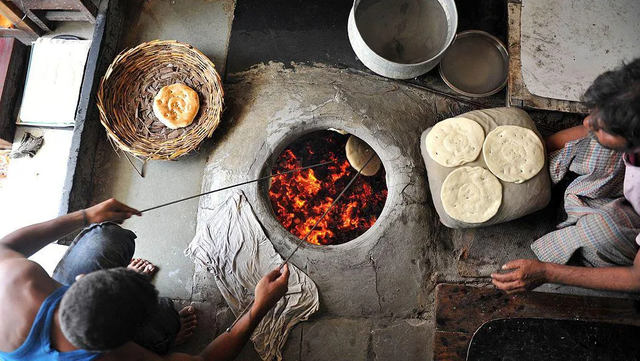
A new era of creativity In the 1990s and 2000s, naan experienced a new wave of innovation. Restaurants around the world are starting to fill it with cheese, vegetables, meat, and even truffles.
"Nani has given India a global culinary identity. It symbolizes pluralism and the coexistence of different cultures," says chef Suvir Saran.
Although naan is also associated with other Middle Eastern and South Asian cuisines, its connection to India remains deep and enduring.