Details of the storm in the administration, here's who will resi...
/ 2026-10-22 22:25:00Focus


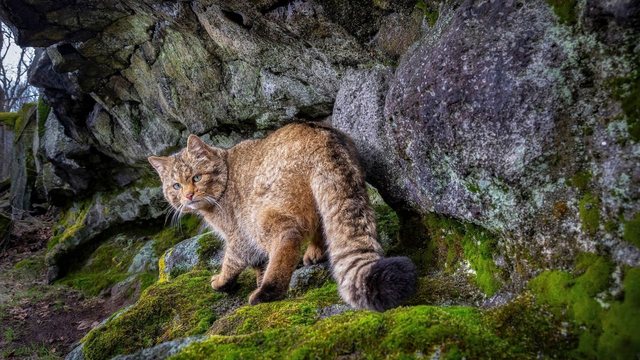
For decades, the European wildcat was considered extinct in many areas of the continent.
A species so secretive and elusive that its presence remained for a long time merely a scientific hypothesis. Today, thanks to camera traps, nature photographers and new research methods, this "ghost cat" is returning to the focus of scientific studies, due to its appearance in the forests of Europe.
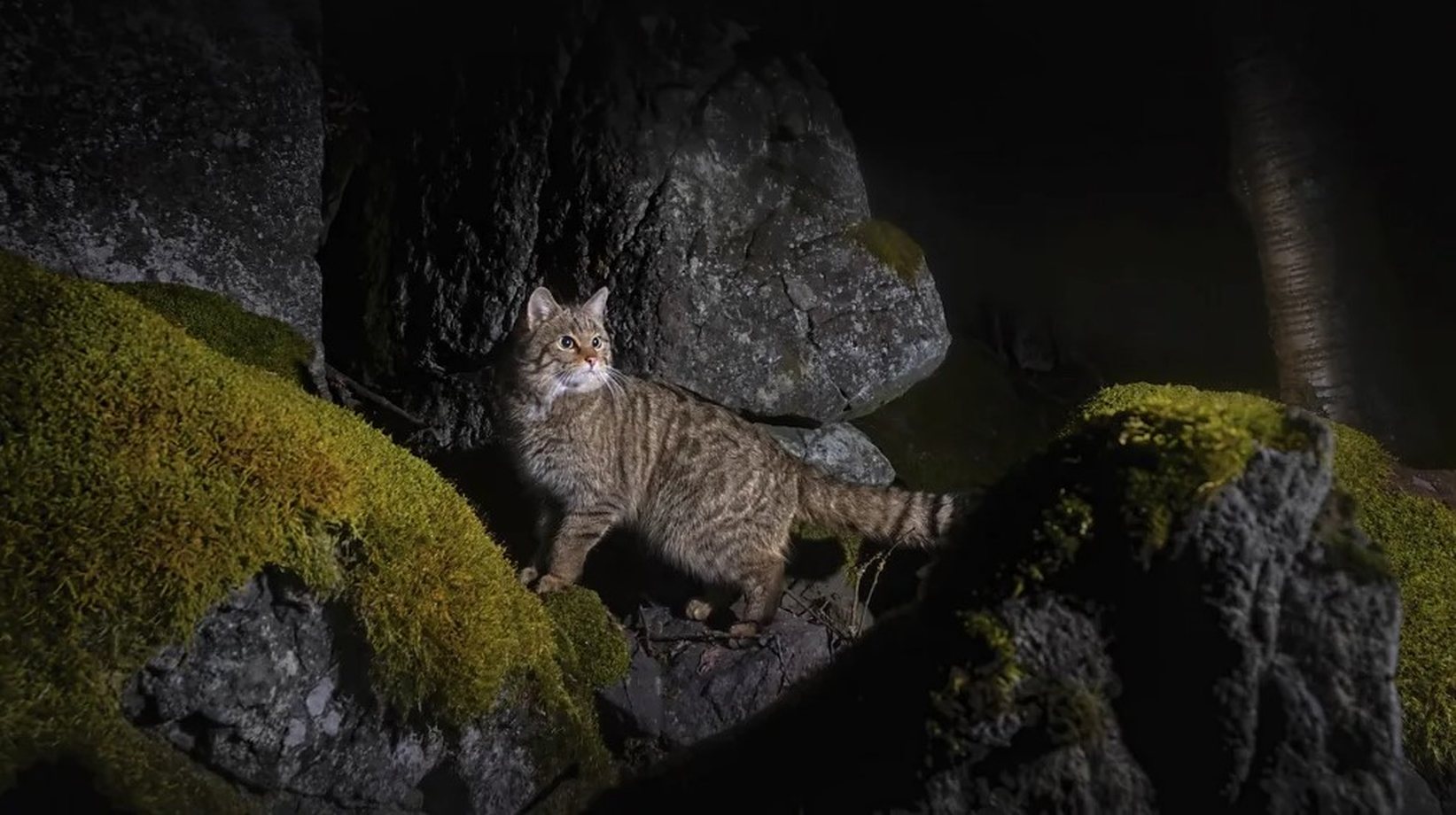
In 2020, nature photographer Vladimir Cech Jr. was walking in the snow in an isolated military area in the Doupov Mountains of the Czech Republic. His goal was ambitious: to photograph the European wildcat (Felis silvestris), a species so rare and mysterious that it had been considered extinct in the country since the 20th century.
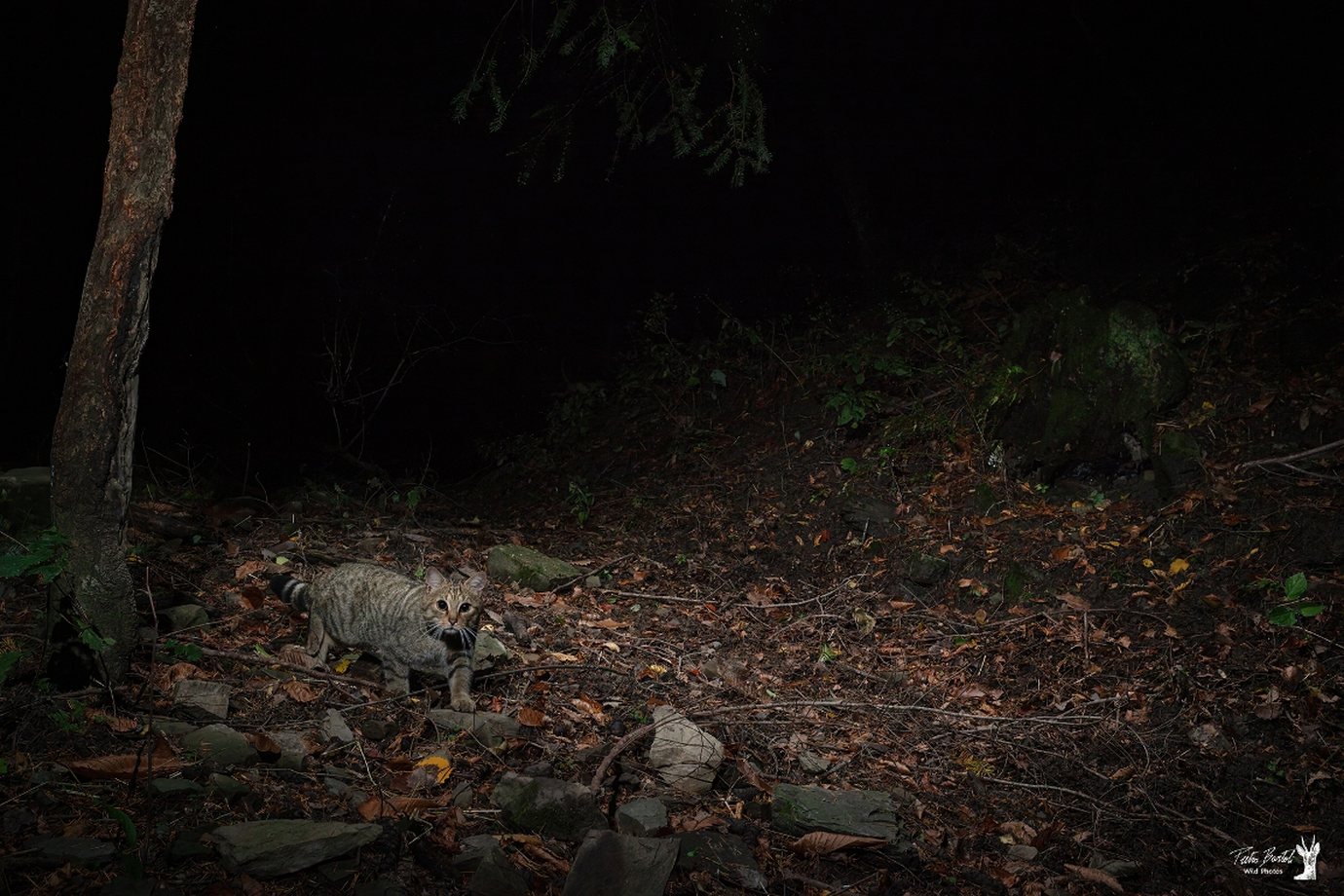
"The wildcat is a rare creature, living a life full of mysteries," explains Cech. It resembles a striped domestic cat, but is more powerful, with a thicker tail and a characteristic fur pattern.
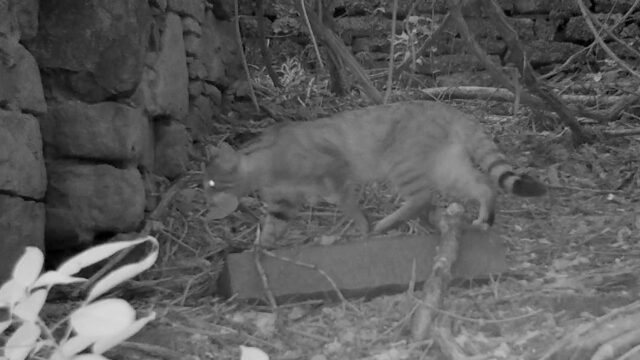
Although its presence in the Doupov Mountains was documented by simple surveillance cameras in the late 2010s, no one had managed to capture high-quality images. The situation was no different in other European countries, where the wildcat had survived quietly, perhaps thanks to its extremely secretive behavior, unlike other predatory species, such as the lynx, which disappeared due to hunting.
Today, it is estimated that around 140,000 European feral cats live in over 24 countries, although the numbers remain uncertain. In some places where it was thought to be extinct, such as Austria, camera traps and genetic analyses have proven otherwise.
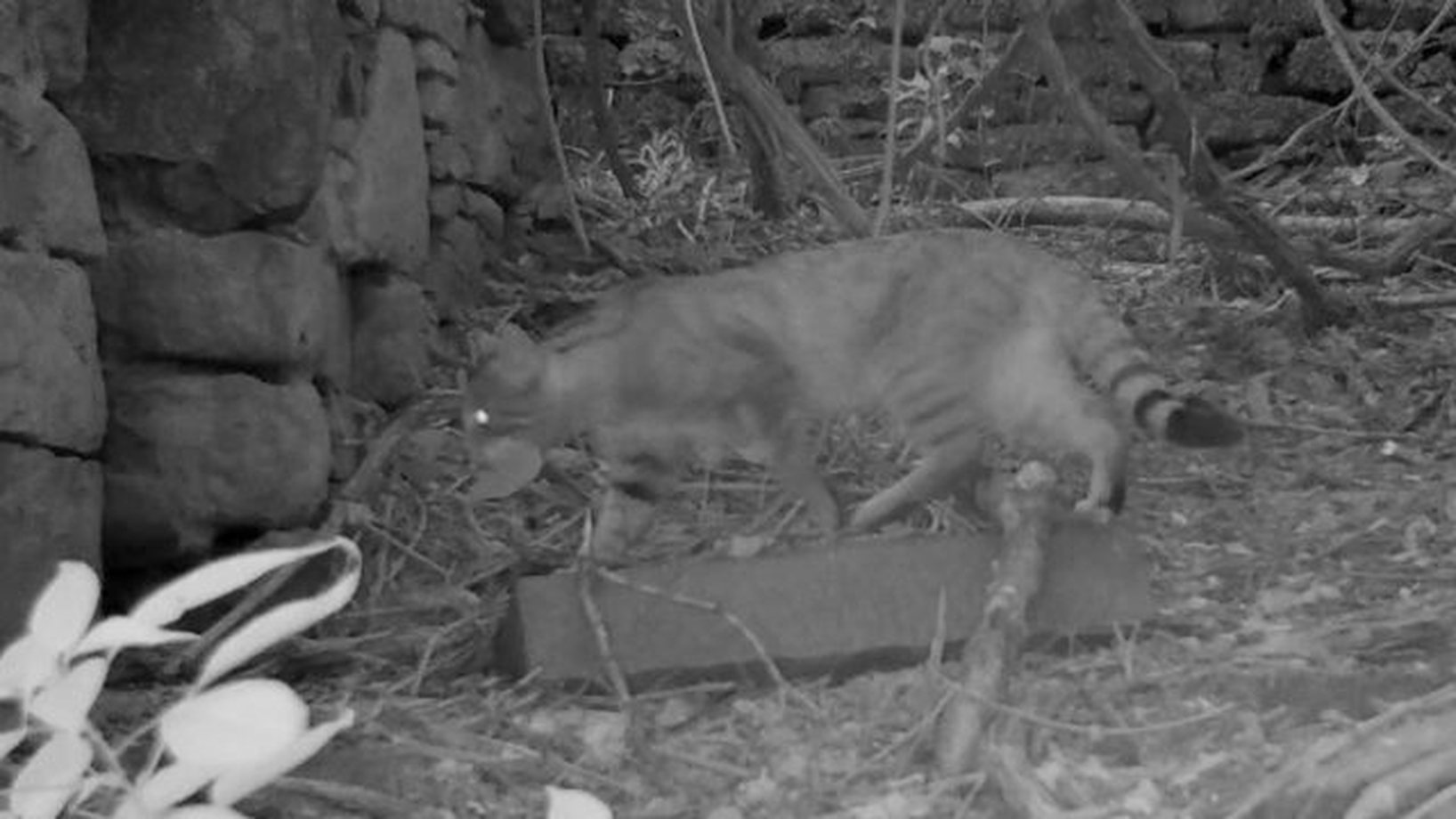
"It's called the 'ghost of the woods' because it's extremely difficult to see and unpredictable," Italian biologist and photographer Andrea De Giovanni tells the BBC. In 2020, he managed to film a wild cat in Chiapporato, an abandoned village in the Italian Apennines. According to him, unlike other animals that follow set paths, "the wild cat goes wherever it wants."
De Giovanni had never planned to film this species. The hidden camera was set up for wolves or deer. It was only after he saw the footage and sent it to scientists for verification that it was confirmed that it was a wild cat.
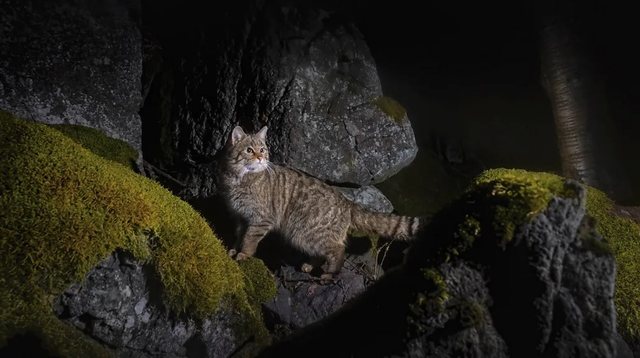
The village of Chiapporato, accessible only on foot, is a place filled with traces of former human life, ruined houses, forgotten objects and school notebooks from the 1950s. Today, as De Giovanni explains, nature is "reclaiming" this space. With the departure of humans, predators have also returned.
Even in the Czech Republic, the history of the wild cat is linked to extinction and return.
According to zoologist Jarmila Krojerová of the Czech Academy of Sciences, until the 18th century the wildcat was widespread throughout the country. Intensive persecution and changes in the landscape led to its extinction. The last confirmed case was an individual killed in 1952. It was only in 2011 that its presence was documented again, by chance, by a camera set up for lynxes.
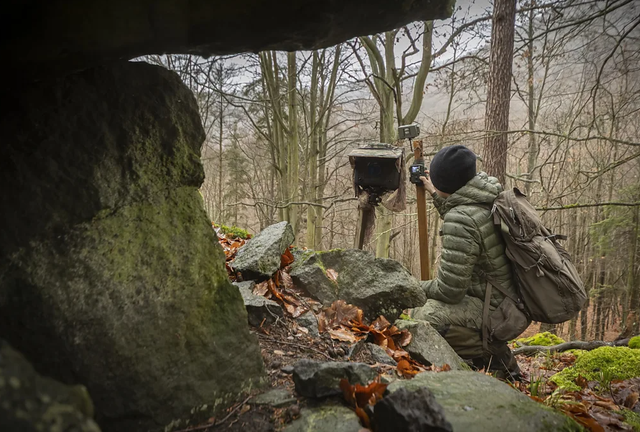
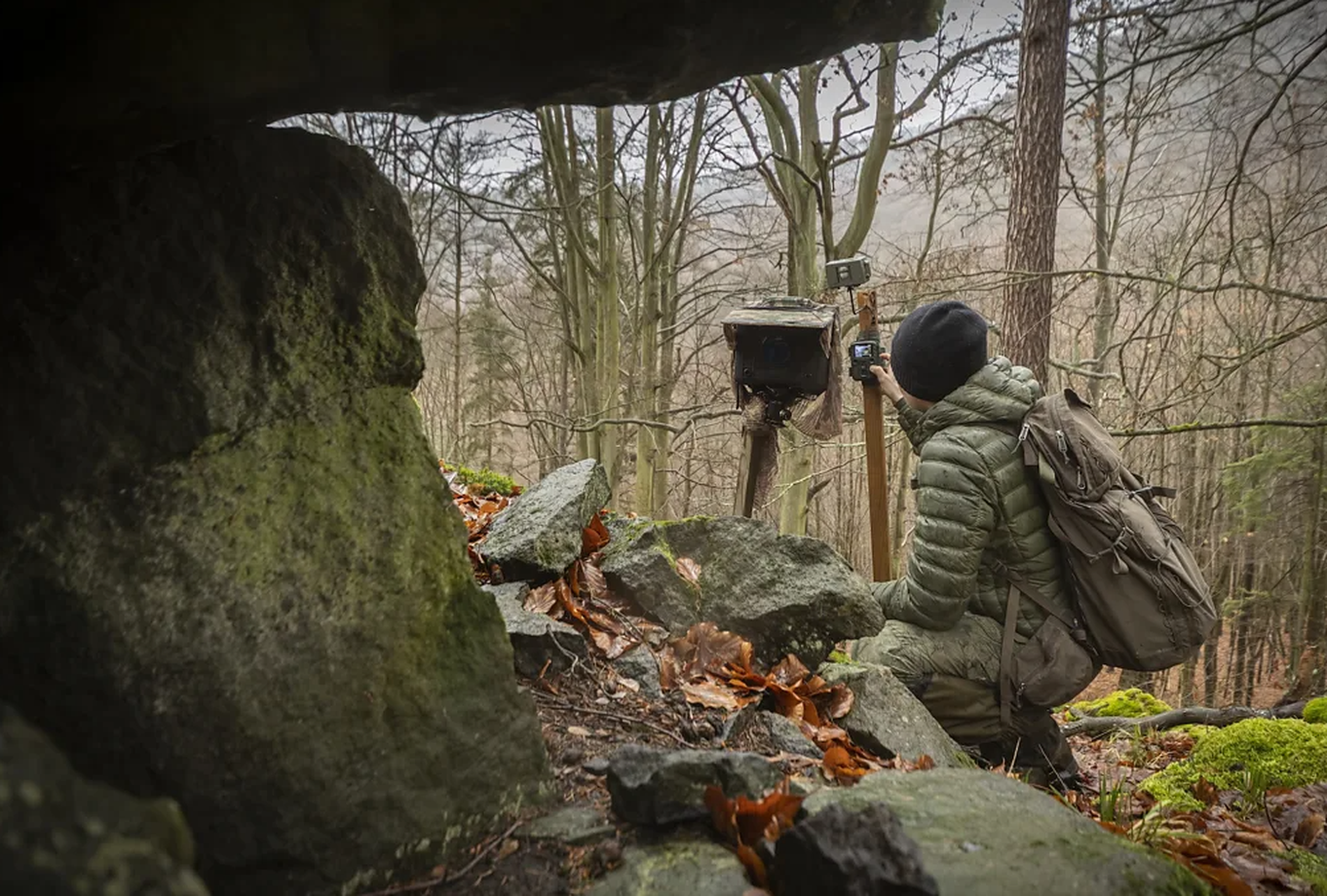
With permission from the military, Cech and expert Jiri Sochor also built homemade camera traps, creating, as he puts it, “a photo studio in the middle of the forest.” These images, according to Krojerová, have an extraordinary value for public awareness and biodiversity protection.
Studying this species remains difficult. Its resemblance to domestic cats often leads to misidentification. In Italy, expert Andrea Sforzi runs a database of about 1,600 photos and videos of the wild cat, collected by researchers and citizens. He points out that in some areas, especially in the northern Apennines, the species has been expanding thanks to nature protection laws since the end of the 20th century.
However, the risk of interbreeding with domestic cats remains serious, as it creates hybrids and increases the risk of spreading diseases. Pure identification requires genetic analysis, which is difficult to perform, as feral cats rarely leave usable hair for DNA.
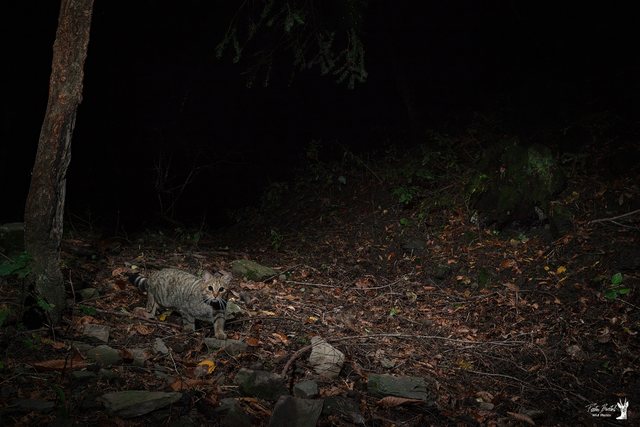
In 2025, Czech researchers marked another important milestone: the first capture of a male wildcat and fitting it with a GPS collar. The data showed that their territory is much wider than previously thought and that the wildcat is not just a forest species, but depends on a mosaic of landscapes: forests, meadows and pastures.
The return of this species is a story that combines science, photography and social change. As people leave mountain areas, nature is finding space again. And quietly, without a sound, "this mysterious little creature" is returning to the forests of Europe.