"Condemned" protesters?! Who trapped Rama inside the Prime Minis...
/ 2026-10-23 16:02:00Focus


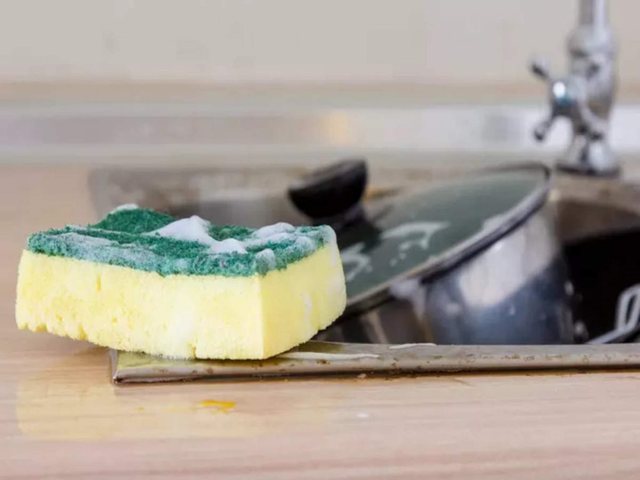
Your home is supposed to be a sanctuary for your health, where you maintain cleanliness and promote well-being, according to The Economic Times.
However, an everyday product used for cleaning can harm your health: the kitchen sponge.
This seemingly innocent tool can often become a breeding ground for dangerous bacteria, posing a risk to your family.
Why are kitchen sponges a health hazard?
Studies have found that kitchen sponges can harbor more bacteria than toilet paper, ranking them as one of the dirtiest items in any home.
In fact, a single sponge can hold up to 54 billion bacteria per cubic centimeter, contaminating the surfaces it touches.
These bacteria often include foodborne pathogens that are associated with food poisoning.
For example, when a sponge comes into contact with raw food such as chicken, which can carry salmonella, the risk of contamination multiplies.
Biomedical engineers at Duke University – a private research university in Durham, North Carolina, USA – confirm that the structure of a sponge – a moist environment – makes it an ideal habitat for microbes.
The sponges can even grow more bacteria than the standard plates used in labs to grow bacteria.
What health risks do sponges pose?
Often, illnesses that we attribute to food contamination or poor hygiene in restaurants can be traced back to contaminated sponges at home.
The bacteria found in the sponge can cause anything from mild stomach problems to more serious infections such as pneumonia, meningitis and blood poisoning.
To reduce the health risks associated with sponges, follow these tips:
Use different sponges for specific tasks – such as wiping down raw meat dishes – to prevent the spread of bacteria.
Keep sponges dry: Bacteria thrive in moist environments, so make sure sponges are completely air-dried.
Wet your sponge and microwave it for two minutes to kill most germs.
Use dish gloves: Protect your hands from direct contact with contaminated sponges by wearing gloves.
Replace sponges more often: Choose environmentally friendly, cellulose-based sponges instead of plastic ones.