Frident Kuqi and Halil Gashi win the 62 million USD auction to b...
/ 2026-10-26 22:13:42Focus


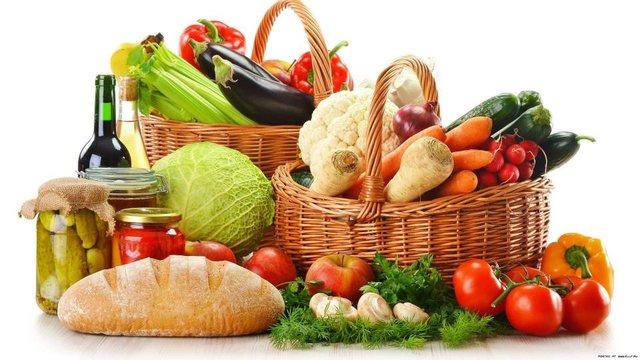
Nutrients such as iron and calcium are essential for blood and bone health, respectively. But more than half of the global population is not eating enough of these and five other nutrients also essential to human health, according to a new study. More than 5 billion people don't get enough iodine, vitamin E or calcium, the study published Aug. 29 in The Lancet Global Health journal found. And more than 4 billion people have insufficient intake of iron, riboflavin, folate and vitamin C.
This is not only because it is the first to assess inadequate micronutrient intake in almost any country, but also because it makes these methods and results easily accessible to researchers and practitioners. Past studies have assessed worldwide deficiencies in micronutrients or inadequate supplies of foods containing them, but there have been no global estimates of intakes considered inadequate based on nutritional requirements, according to the latest study.
For these reasons, the research team estimated the prevalence of inadequate intake of 15 micronutrients in 185 countries, or 99.3% of the population. They did this through modeling by applying a "globally harmonized compilation of age- and sex-specific nutrient requirements" to data from the 2018 Global Food Database, which provides intake estimates based on survey data. individual, household surveys and national food supplies.
The authors also found differences between women and men. Women were more likely than men to not consume enough iodine, vitamin B12, iron and selenium. Men, however, did not get enough magnesium, zinc, thiamin, niacin, and vitamins A, B6, and C. There were also geographic patterns. In India, inadequate intake of riboflavin, folate and vitamins B6 and B12 was particularly high, while poor calcium intake was highest in South and East Asia, sub-Saharan Africa and the Pacific.
The study has several important limitations. Since the research did not include the consumption of supplements and fortified foods, some of the deficiencies found in the study may not be as bad in real life if some people are consuming supplements and fortified foods that would theoretically increase their intake of certain substances. nutrients, the authors said. However, supplementation and fortification with many of the other nutrients studied is uncommon globally, the authors said.
But 89% of people worldwide consume iodized salt, according to UNICEF. "Therefore, iodine may be the only nutrient for which insufficient dietary intake is largely overestimated," the authors said, referring to their findings. Furthermore, more complete information on individual dietary intake worldwide is scarce, particularly data sets that are nationally representative or contain more than two days of intake, the researchers said. This lack limits researchers' ability to validate their modeled estimates.
And although the team measured insufficient intake, there was no data on whether it led to deficiencies that must be diagnosed by a doctor or dietitian based on blood tests and/or symptoms. Dietitians and doctors can help you determine if you're getting enough of certain vitamins or minerals or if you have deficiencies proven by a blood test.
Here's a list of why the seven nutrients with the lowest global intake are important and some of the foods they're high in:
Calcium
Important for strong bones and overall health
Found in dairy products and fortified alternatives based on soy, almonds or rice; dark leafy greens; tofu; sardines; salmon; tahini; and fortified orange or citrus juice
Speak up
Important for red blood cell formation and cell growth and function, especially during pregnancy
Found in dark green vegetables, beans, peas, lentils and fortified cereals such as bread, pasta, rice and cereals
Iodine
Important for thyroid function and bone and brain development
It is found in fish, seaweed, shrimp, dairy products, eggs and iodized salt
Iron
Important for delivering oxygen to the body, as well as growth and development
Found in oysters, duck, beef, sardines, crab, lamb, fortified cereals, spinach, artichokes, beans, lentils, dark leafy greens and potatoes
magnesia
Important for muscle and nerve function, blood sugar, blood pressure, and the production of protein, bone, and DNA
Found in legumes, nuts, seeds, whole grains, green leafy vegetables and fortified cereals
niacin
Important for the nervous and digestive system
Found in beef, chicken, marinara sauce, turkey, brown rice, pumpkin seeds, salmon and fortified grains
Riboflavin
Important for the metabolism of food for energy, the immune system and healthy skin and hair
It is found in eggs, dairy products, meat, grains and green vegetables.