Is this police force professional and capable of handling violen...
/ 2026-10-16 18:54:07Focus


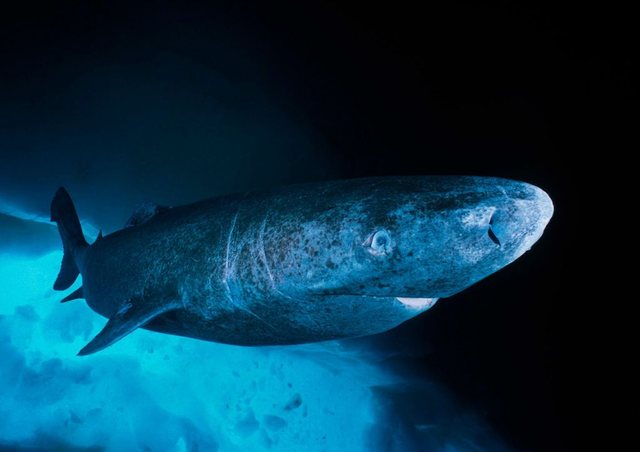
A recent study in Nature Communications and Smithsonian magazine confirms: the rulers of the Arctic seas are the longest-lived vertebrates in the world. And their eyes may offer the cure for macular degeneration.
By Luca Zanini - Corriere della Sera
The oldest still "remember" the golden age, when the seas around and below these icy spaces were traversed only by Inuit kayaks, after the disappearance of the first Viking settlements in the 15th century. Some of them may have witnessed the arrival of the first European settlers on the largest non-continental island, led by the missionary Hans Egede, who began evangelizing it in 1721. And they are still alive. Some specimens may now be witnessing from the depths the battle for the annexation of the legendary Extrema, the Land of Thule that Donald Trump is determined to annex to the United States. They are the Greenland sharks, Somniosus microcephalus, rulers of the Arctic seas, considered the longest-lived vertebrates in the world.
Older than dinosaurs
These giant descendants of prehistoric Arctic marine predators (apparently evolved from cartilaginous fish that preceded plants and dinosaurs), which the Inuit call Eqalussuaq, can reach incredible ages: they are estimated to be over 500 years old. They have an average lifespan of about 400 years; some studied specimens have been dated to 392 years. Therefore, it is not impossible that the large sharks present at the beginning of the 18th century witnessed the landing of American troops and the new drilling for the exploitation of gas, oil, diamonds and rare earth deposits.
Surprisingly good viewing
As Sara Hashemi points out in a report published a few days ago in Smithsonian Magazine, Greenland sharks owe their longevity to their extremely slow growth (only 1 centimeter per year; they reach sexual maturity at around 150 years of age) and advanced genetic DNA repair mechanisms. This regeneration system prevents vision deterioration, despite living mostly at depth (they can reach up to 3,000 meters from the ocean surface) where light barely penetrates. Some scientists suspected that these creatures were practically blind due to pesky parasites living in their eyes, but recent studies - published on January 5 in Nature Communications - have revealed that they appear to have surprisingly good vision thanks to segments of DNA that allow them to repair themselves almost throughout their lives.
The role of the Ercc1 and Ercc4 genes
Këto gjene, ERCC1 dhe ERCC4, kodojnë proteina përgjegjëse për riparimin e fijeve të dyfishta dhe duket se janë çelësi për ruajtjen e shëndetit të retinës gjatë shekujve. Ekipi i hulumtimit zbuloi se vetëm speciet e peshkaqenëve me jetëgjatësi më të madhe posedojnë gjenin ERCC1, dhe peshkaqenët e Groenlandës kishin një sasi më të lartë të ERCC4, me shumë mundësi të përpunuar në proteina, sesa peshkaqenët e tjerë. Tani, shkencëtarët hipotetizojnë se studimi i këtyre gjeneve mund të hapë rrugën për metoda për të parandaluar problemet serioze të shikimit (të tilla si degjenerimi makular ose glaukoma) edhe tek njerëzit.
Syri në akull shihte bardh e zi
Biologia evolucionare Lily Fog e Universitetit të Bazelit (Zvicër) ishte në gjendje të shqyrtonte syrin e një Somniosus microcephalus falë një trashëgimie shkencore nga biologu detar danez i ndjerë së fundmi, John Fleng Steffensen i Universitetit të Kopenhagenit: "Ne hapëm paketën që kishte mbërritur nga kryeqyteti danez", kujton Emily Tom, bashkautore e studimit me Fog, "dhe për habinë tonë, brenda, i mbrojtur nga akulli i thatë, ishte syri i një peshkaqeni 200-vjeçar". Nuk tregonte shenja degjenerimi. Për më tepër, u zbulua se peshkaqenët e Groenlandës kanë shikim bardh e zi. Në të vërtetë, ndërsa shumica e vertebrorëve posedojnë dy lloje qelizash të syrit të ndjeshme ndaj dritës (kone, të cilat dallojnë ngjyrat dhe funksionojnë mirë në dritë të ndritshme, dhe shkopinj, të cilët nuk i perceptojnë ngjyrat, por funksionojnë mirë në dritë të zbehtë), peshkaqenët e Groenlandës kanë vetëm shkopinj.
Nga Eriku i Kuq te bazat antinaziste
Pas shekujsh pothuajse izolimi, krijimi i monopolit tregtar danez - Kongelige Grønlandske Handel, i cili zgjati nga viti 1776 deri në vitin 1950 - tashmë e kishte përmbysur jetën në tokë (pjesa më e madhe e ishullit është ende e mbuluar nga kapaku i akullit Arktik) dhe detet e Groenlandës. Groenlanda, siç e kishte quajtur Eriku i Kuq, e zbuloi atë në vitin 982 (pasi u dëbua nga Islanda për mizorinë e tij gjakatare) dhe filloi të krijonte vendbanime të përhershme atje në vitin 985. Pastaj, gjatë Luftës së Dytë Botërore, ishulli përjetoi një periudhë tjetër tensioni të madh kur Aleatët (në thelb Shtetet e Bashkuara) vendosën baza ushtarake atje ndërsa Danimarka ishte e pushtuar nga nazistët. Tani mosmarrëveshja mbi pretendimet e Trump mund ta përshkallëzojë një mosmarrëveshje strategjike në një luftë të re. Dëshmitarët e kujtesës së gjatë do të jenë përsëri peshkaqenët e mëdhenj të Groenlandës.