Details of the storm in the administration, here's who will resi...
/ 2026-10-22 22:25:00Focus


About 40 km off the north coast of Iceland, this island is home to one of Europe's most remote neighborhoods and a bird population.
Even on a sunny day at the end of August, the wind on the Isle of Grimsey 'cuts' waterproofs with such force that it seems as if even a gust of it could wipe you off the map forever.

Until 1931, the only way to reach the island was by boat that delivered the letters twice a year. Today, there are 20-minute flights from Akureyri and ferries that take adventurers from the village of Dalvik within three hours to bring them to this rocky place where there is a variety of birds and wildlife.
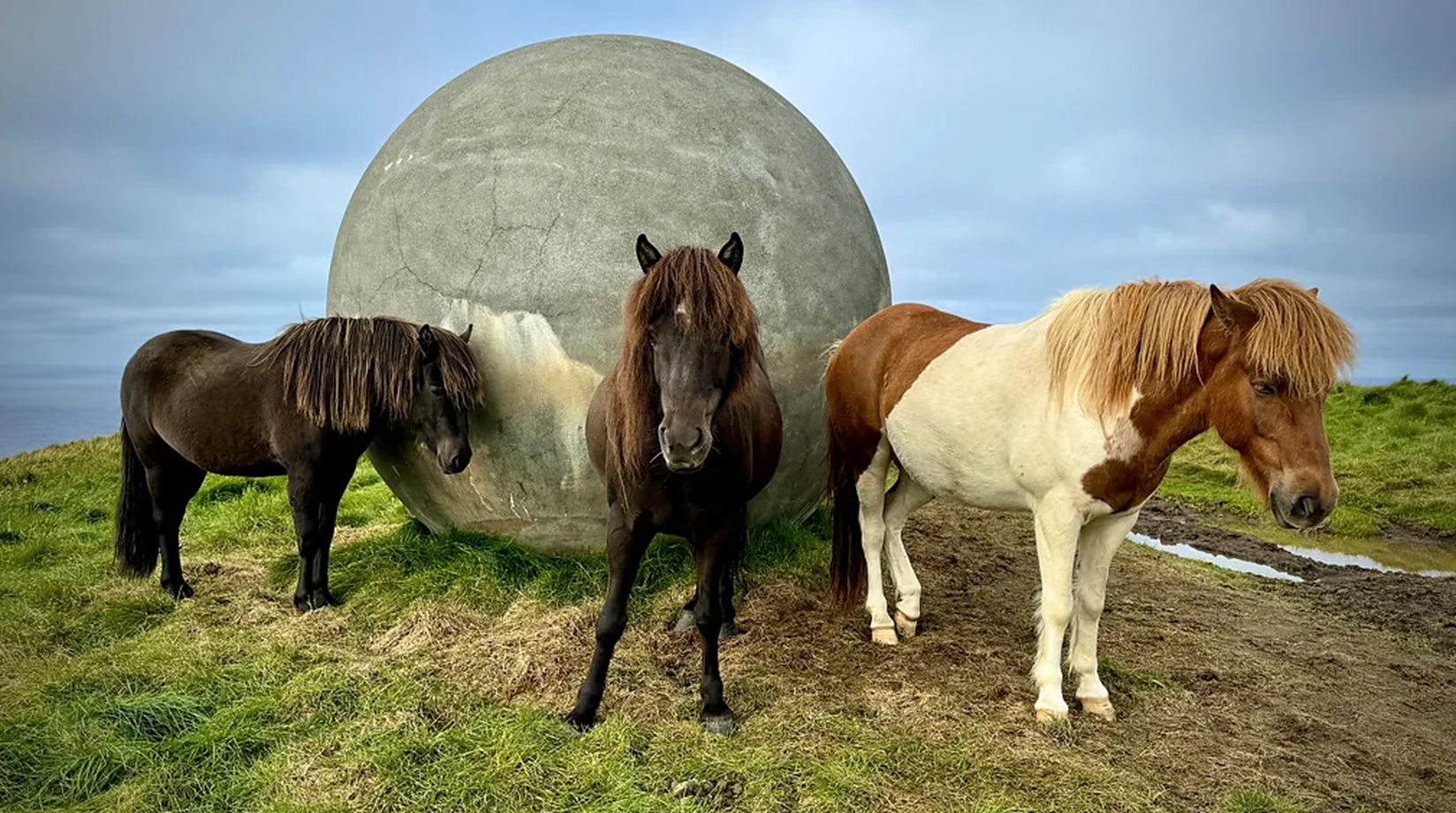
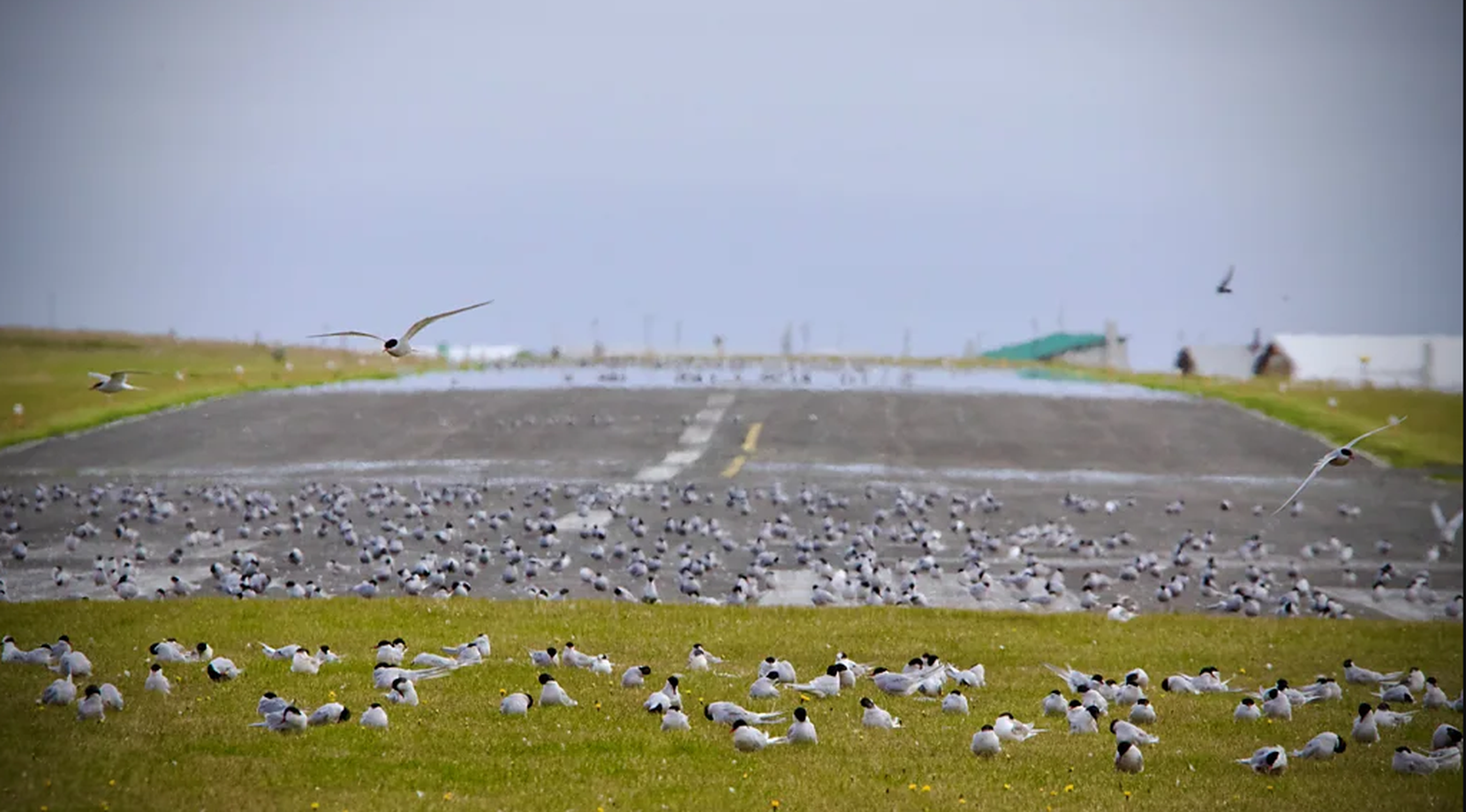
In addition to arctic birds and puffins, there are also black-legged gulls, horses and sheep. The number of birds exceeds that of the inhabitants by a ratio of 50,000 to 1.

"You won't believe it, but 20 of us live here full time," guide Halla Ingolfsdottir explains to the BBC.
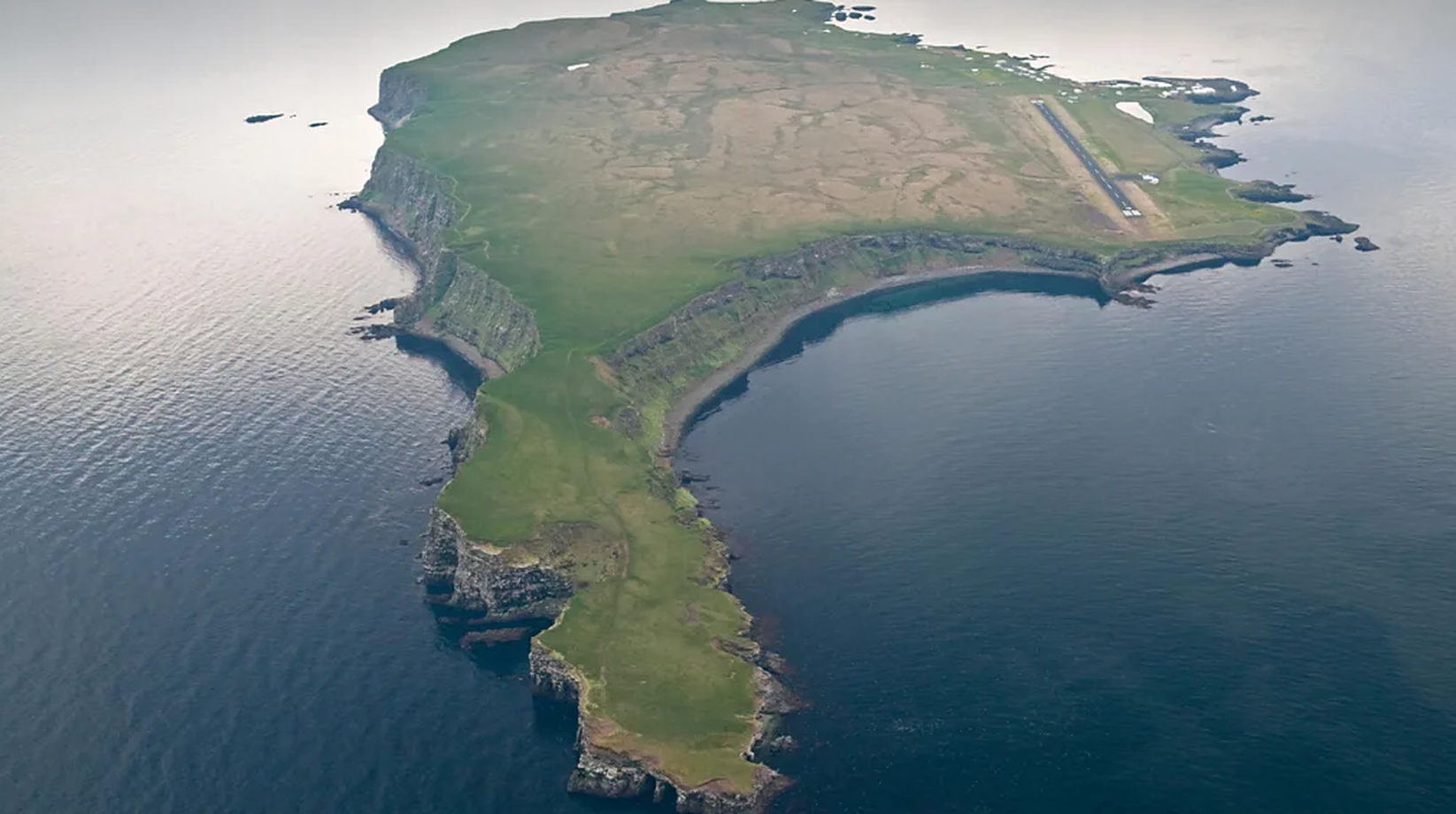
The 6.5 square km island is about 40 km from the north coast, the most inhabited area in the north and the only part of Iceland that enters the Arctic Circle.
There is no hospital, doctor or police station in Grimsey.
In the event of an emergency, the Coast Guard and emergency services have trained islanders to act.
"When you live here, you have to learn to be flexible and adapt to situations and different scenarios. We are prepared for everything. In case of emergency, they train us to be ready for first aid and a doctor comes every three weeks by plane".

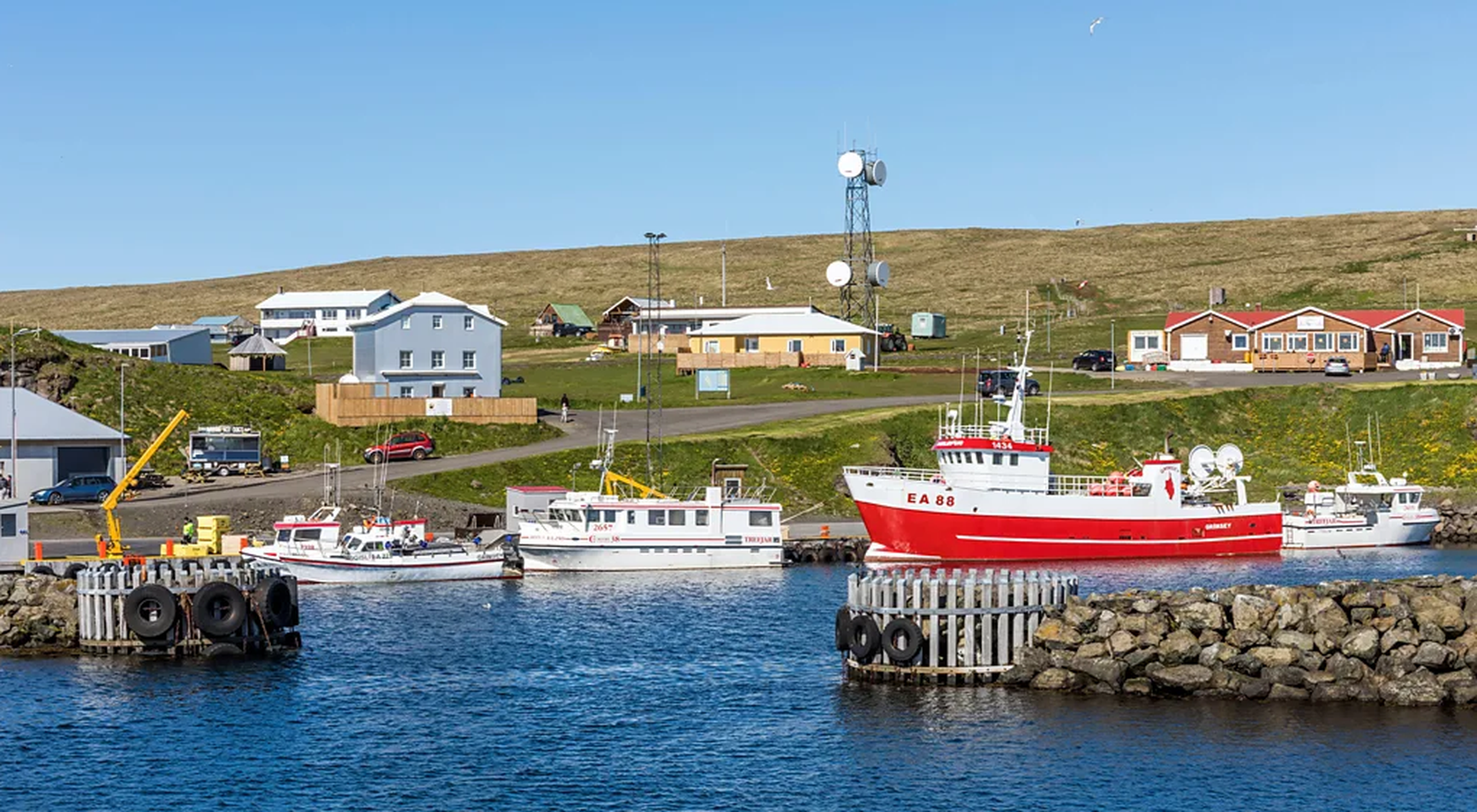
Some small houses that also function as guest houses for tourists are located in the southwest of the island. Sanvik also has a school that functions as a community center, a craft gallery and a cafe that has home-cooked meals, sweaters, etc. There is also a small shop that opens for an hour a day, a restaurant with a belly, a swimming pool, library, church and an airstrip that doubles as a resting place for birds.

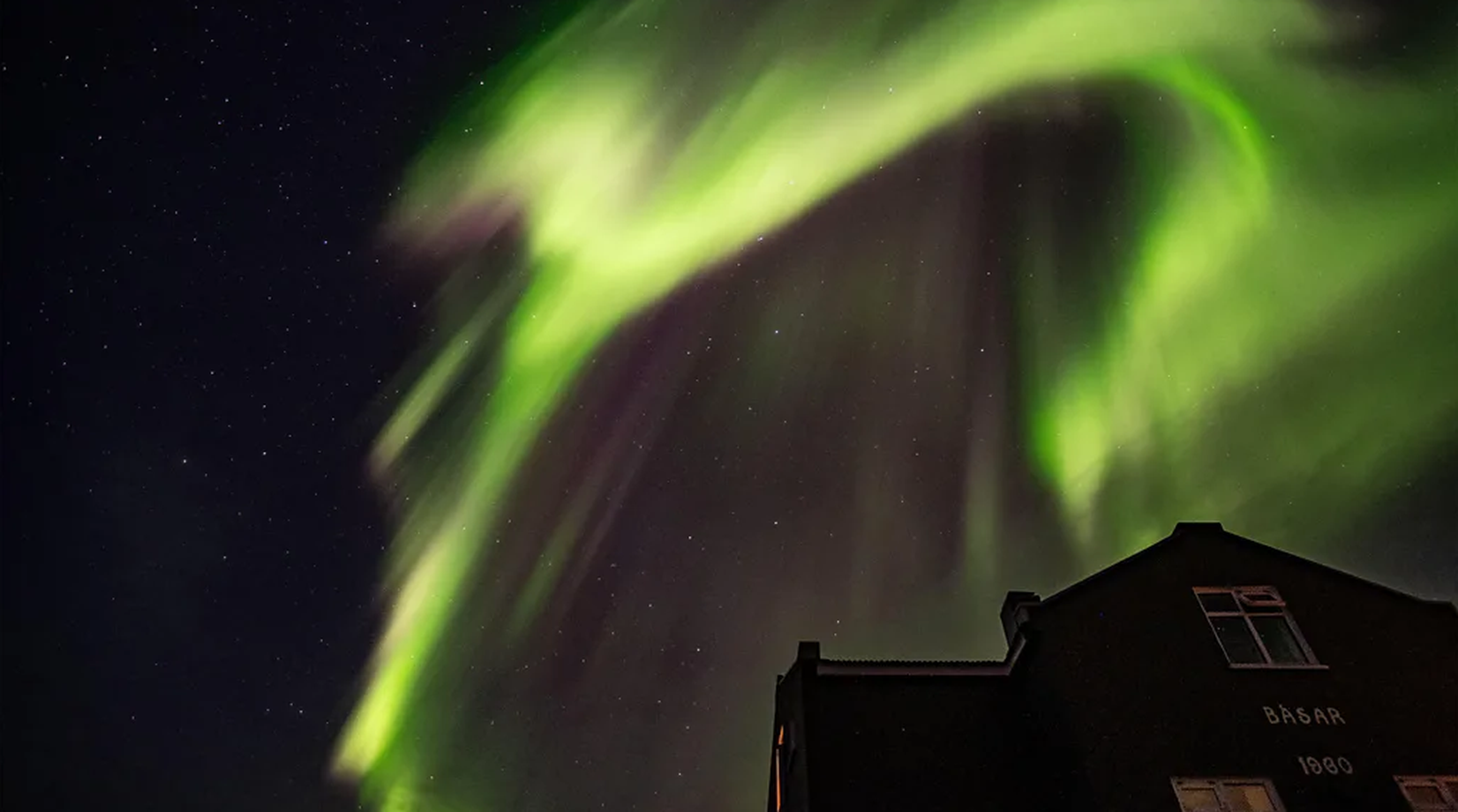
The island's location means it is affected by polar nights when total darkness lasts from early December to mid-February. One of the ways islanders cope with the darkness is by putting up their own lights.
"We start the Christmas decorations early because we want to brighten the darkness and decorate with Christmas lights. It's like a Christmas town here and we don't remove them until February," explains Ingolfsdottir.

She adds that Grimsey is preparing for the future as it has several projects for next summer including a writers' and artists' retreat that can go and stay in some existing houses that will be renovated into accommodation centres.