Protests, violence, curfews: From France to Albania, why Europe'...
/ 2026-10-20 23:47:20Focus


Scientists warn that the Arctic could be the source of the next pandemic, due to the threat posed by "zombie viruses" preserved for thousands of years in glaciers and frozen permafrost. A new study highlights that global warming is melting the natural barriers between ecosystems, animals and people, significantly increasing the likelihood of a new disease outbreak.
Dr. Khaled Abass from the University of Sharjah says: “Climate change is not just melting ice – it is also melting the boundaries between wildlife and humans.” He warns that as permafrost thaws, ancient viruses or bacteria could be released, which could infect humans and cause unpredictable consequences.
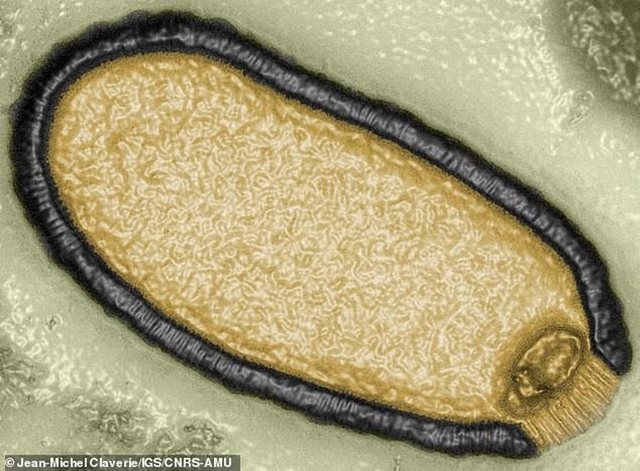
In 2014, researchers recovered viruses from Siberian permafrost that were still capable of infecting living cells despite having been frozen for thousands of years. In 2023, an amoeba virus was revived after being frozen for 48,500 years. Another disturbing case is the discovery of 1,700 unknown viruses in a glacier in western China – some of which date back 41,000 years and have survived three different eras of global warming.
A real-world example of the danger was seen in 2016, when anthrax spores were released from a frozen dead animal in Siberia, infecting dozens of people and killing one child. These diseases have the potential to be dangerous, especially if they jump from animals to humans – becoming zoonotic diseases, which account for about 75% of all human infections.
About four sextillion microbial cells are released each year from thawing permafrost. Even if only 1% of them are dangerous, their sheer size significantly increases the risk of an infectious outbreak.
Scientists point out that Arctic regions are particularly vulnerable to the spread of pandemics, as they lack health infrastructure and can spread diseases before authorities can react. Dr. Abass concludes: “What happens in the Arctic is not just in the Arctic — the effects spread throughout the world.”