"Condemned" protesters?! Who trapped Rama inside the Prime Minis...
/ 2026-10-23 16:02:00Focus


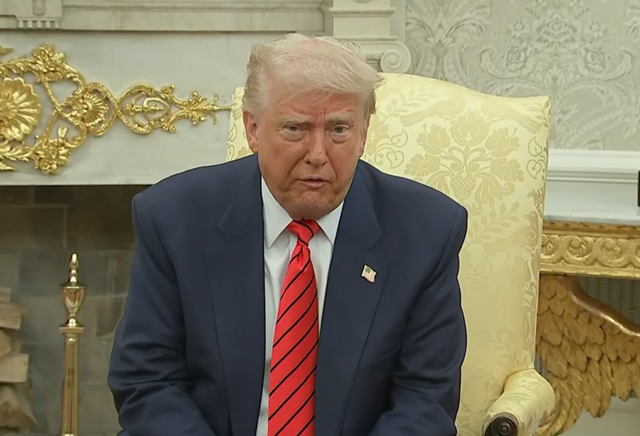
US President Donald Trump has signed an expanded executive order that completely bans entry into the US for citizens from 12 countries and imposes partial restrictions on seven others. The decision marks a continuation and reinforcement of the tough immigration policies he implemented during his first term.
According to the order signed on January 20, the first day of his new presidential term, the complete entry ban affects citizens of Afghanistan, Myanmar, Chad, the Republic of the Congo, Equatorial Guinea, Eritrea, Haiti, Iran, Libya, Somalia, Sudan and Yemen.
Meanwhile, citizens of Burundi, Cuba, Laos, Sierra Leone, Togo, Turkmenistan and Venezuela will face partial restrictions, which may include increased checks or a ban on certain visas.
Trump argued that this decision is necessary for national security, foreign policy and the fight against terrorism. He cited the dangers posed by individuals entering the US without proper screening or overstaying their visas.
However, the measure has been met with harsh criticism from lawyers, activists and human rights organizations, who consider it discriminatory and harmful to immigrant communities, especially those with family ties to the US.
Along the same political lines, Trump has signed another order that restricts visas for foreign students at Harvard University and requires strong controls over their social media activities.
In a video posted on social media, Trump said the measures were in response to a recent attack in Boulder, Colorado, where an Egyptian national committed an act of violence at a public event. He added that the list of banned countries could be expanded if new threats emerge in the future.
This decision is part of a new wave of tough immigration policies, including blocking asylum claims at the southern border and removing temporary protected status for migrants from countries with humanitarian crises.