Is this police force professional and capable of handling violen...
/ 2026-10-16 18:54:07Focus


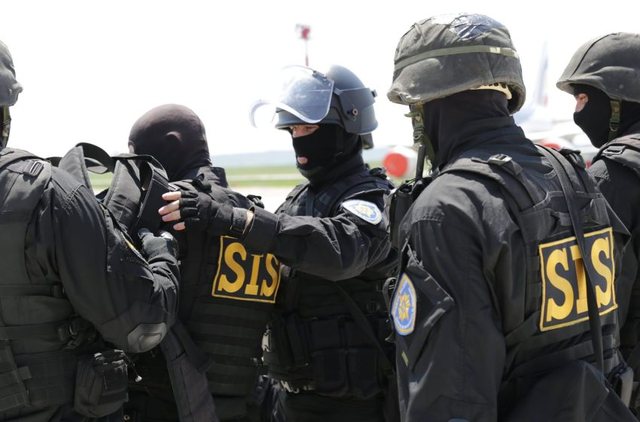
A secret spy exchange between Russia, Moldova, Poland, Romania and the United States shows that Moldova has finally entered the "select club" of European intelligence services.
A quiet but weighty development last week placed Moldova – for the first time since breaking away from the Soviet Union in 1991 – at the epicenter of a classic Cold War practice: the spy swap.
The operation included the negotiation and release of two Moldovan intelligence officers held in Moscow, as well as the surrender of a dual citizen accused of espionage in Romania.
Moldovan President Maia Sandu declared on April 28, the day of the exchange, that in order to repatriate the two Security and Information Service (SIS) officers, Moldova was forced to release two other people: Russian citizen Nina Popova, detained last year for activities against Moldova, and Alexandru Balan, accused of treason in favor of Belarus.
"For our country, this is a benefit that cannot be measured with a simple mathematical equation. We have brought home two citizens who serve the Republic of Moldova, freeing in exchange two people who acted against it," Sandu said.
The two SIS officers were detained by Russian authorities early last year and later became negotiating elements in a wider spy swap between Poland and Russia, brokered through Belarus. The process involved Polish, Moldovan and Romanian citizens.
They were released as part of a group of five. In exchange, Russia received several Belarusian spies and the former deputy director of the SIS, Alexandru Balan, who holds Moldovan and Romanian citizenship.
Balan was arrested in September 2025 by the Romanian Intelligence Service (SRI), in a joint operation with Polish agents, on suspicion of espionage activity on Romanian territory. Two days before the exchange, he was extradited from Romania to Moldova.
He had a career spanning over 20 years at SIS and held the position of Deputy Director from 2016 to 2018.
Last week, after being sentenced to a year and a half in prison for revealing state secrets, Balan was pardoned by President Sandu, paving the way for his departure to Belarus.
According to a senior SIS source, who spoke to BIRN on condition of anonymity, “Nina Popova had connections to the GRU (Russian military intelligence) and was the wife of a Russian officer stationed in the separatist region of Transnistria.”
Lilian Carp, chairwoman of the parliamentary Committee on National Security, Defense and Public Order, told Balkan Insight that the Balan case has highlighted serious weaknesses in Moldova's security system.
“Rasti Balan dëshmon se ka pasur boshllëqe në sigurinë tonë kombëtare, pasi një person në një pozicion kaq të lartë mund të rekrutohej nga shërbimet bjelloruse, ose më saktë ruse,” tha ai.
Deputeti i Partisë së Veprimit dhe Solidaritetit (PAS) shtoi se ky rast tregon nevojën për forcimin e legjislacionit mbi tradhtinë.
Deri më tani, Moldavia nuk ka dhënë asnjë vendim përfundimtar në çështje tradhtie. Ish-presidenti Igor Dodon dhe ish-shefi i Shtabit të Përgjithshëm Igor Gorgan janë përballur prej vitesh me akuza të tilla në gjykatë, por pa një vendim përfundimtar.
“Duhet të ndryshojmë ligjet për tradhtinë dhe autorët e këtyre veprave duhet të përballen me pasoja më të ashpra. Ka pasur politikanë dhe zyrtarë të zbatimit të ligjit që kanë vepruar në interes të shteteve të tjera, ndaj nevojiten masa më të forta ndëshkuese,” përfundoi Carp.
Moldavët duhet “të shtrëngojnë rripat e sigurimit”
Përtej rastit konkret, shkëmbimi i spiunëve pasqyron një dinamikë më të gjerë të forcimit të bashkëpunimit mes shërbimeve të sigurisë të Moldavisë, Rumanisë dhe Shteteve të Bashkuara, në një kontekst tensionesh në rritje me Rusinë.
Ish-zëvendësdrejtori i SIS, Valentin Dediu, i tha BIRN se Rusia po intensifikon veprimet armiqësore kundër Moldavisë.
“Rusia ka ndaluar disa shtetas moldavë, jo për tradhti, por për shkelje të ndryshme të vogla të ligjit. Këta persona do të mbahen si mjete shkëmbimi për negociata të ardhshme, nëse do të jetë e nevojshme,” parashikoi Dediu.
Shkëmbimi i të burgosurve dhe agjentëve të inteligjencës është një praktikë e zakonshme në marrëdhëniet ndërkombëtare, veçanërisht mes shteteve rivale.
Gjatë Luftës së Ftohtë, operacione të tilla ndodhnin shpesh, por mbaheshin larg vëmendjes publike për të shmangur tensionet. Megjithatë, Moldavia zakonisht nuk ishte pjesë e këtyre shkëmbimeve; roli i saj i ri sinjalizon një ndryshim në arkitekturën e sigurisë në rajon.
Negociatat e fundit u zhvilluan në një kuadër shumëpalësh, ku Rumania dhe Shtetet e Bashkuara luajtën role thelbësore si ndërmjetësues dhe garantues.
Ish-këshilltari presidencial rumun për çështjet e sigurisë, Iulian Fota, deklaroi në një emision televiziv në Moldavi se Rumania i trajton shumë seriozisht rastet e spiunazhit që vijnë nga Lindja.
“Nga pikëpamja ushtarake, kemi pasur një periudhë relativisht të gjatë paqeje. Mund të flasim për një lloj ‘pushimi strategjik’. Por në fushën e inteligjencës, nuk ka pasur kurrë qetësi. Përballja mes rusëve dhe perëndimorëve ka vazhduar pa ndërprerje,” tha Fota.
Ai shtoi se Rusia do të rrisë operacionet e saj kundër Moldavisë, vend kandidat për në Bashkimin Evropian.
“Moldavia është në një rrugë të qartë drejt anëtarësimit në BE. Kjo i irriton rusët dhe shpjegon shumë nga problemet me të cilat vendi do të vazhdojë të përballet. Rusia po kalon nga një fazë presioni dhe kërcënimesh në një fazë veprimi të drejtpërdrejtë. Prandaj, në Kishinau duhet të shtrëngohen rripat e sigurimit dhe njerëzit duhet të mbahen fort pas vendeve të tyre,” u shpreh Fota.
On the other hand, the Russian ambassador to Chisinau, Oleg Ozerov, on April 29 cited several cases of Moldovan citizens recruited by Ukraine to carry out terrorist attacks in Russia. He rejected accusations that Moscow is acting against Chisinau.
"Russia has no aggressive intentions towards Moldova. Despite the numerous statements that have been made, they are not supported by any concrete facts," Ozerov said.
Moldova joins the "club" of European intelligence services
To secure Alexandru Balan's release from detention in Romania, Bucharest reportedly waived the possibility of continuing legal proceedings against him in exchange for the release of the Moldovan officers. High-level negotiations were led by the United States and Russia, with the involvement of intelligence services from Poland and Romania.
This decision demonstrates a high level of cooperation between the intelligence services of the two countries and their shared strategic objectives.
It also sends a signal that Romania is ready to act as a security guarantor for Moldova, even in sensitive situations.
“The Romanian Intelligence Service, in coordination with partners from the Czech Republic, Poland and Hungary, documented the espionage activities carried out by Alexandru Balan in favor of the Belarusian KGB, creating the basis for his detention in Romania,” Romanian President Nicușor Dan wrote on Facebook.
“Together with our strategic partners, Romania remains committed to joint diplomatic and intelligence efforts, as well as to supporting the Republic of Moldova,” he added.
Former deputy director of SIS, Valentin Dediu, said that relations between the intelligence services of Moldova and Romania began to improve around 2005, even though both countries were going through periods of political turmoil.
"We currently have extraordinary direct cooperation with the Romanian intelligence services. With their help, we have entered the select club of European intelligence services," Dediu said.
He added that Romania is also helping to reform the SIS according to Western standards.
"The Romanian intelligence services laid the foundations of our current SIS concept. They showed us how to carry out the reform and reorganization of the service, based on their experience," he concluded.