Is this police force professional and capable of handling violen...
/ 2026-10-16 18:54:07Focus


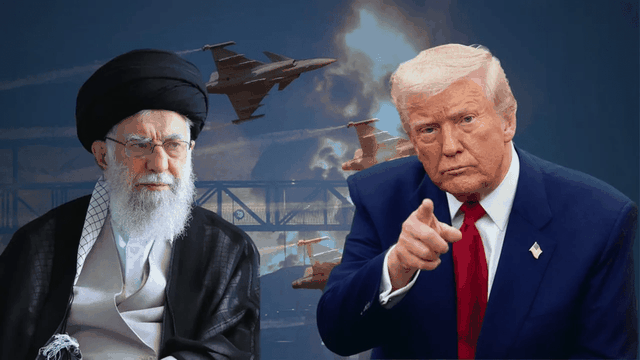
Nuclear talks between the United States and Iran in Geneva have made "progress," but many details still remain to be resolved, US sources confirmed to Axios after the second round of negotiations.
The meeting took place on Tuesday in Switzerland, where Iranian Foreign Minister Abbas Araghchi faced US President Donald Trump's envoys, including Jared Kushner and Steve Witkoff. According to a US official, the Iranian side has proposed to return within two weeks with detailed proposals to address "some of the open gaps" between the two positions.
For his part, Araghchi told Iranian state television that the parties had agreed on "guiding principles" for a possible nuclear deal.
He described the second round as “serious, constructive and positive”, stressing that a “clearer path forward” has been created, although this does not mean that a final agreement will be reached quickly. According to him, work will now begin on concrete drafts of a possible text.
The negotiations were mediated by Omani Foreign Minister Badr Albusaidi, who stated that the second round ended with "good progress towards identifying common objectives and relevant technical issues."
He stressed that "the spirit of the meetings was constructive," but acknowledged that much work still remains before the next round.
Meanwhile, in parallel with diplomacy, Washington has increased its military presence in the Middle East, leaving open the possibility of a military option if negotiations fail. In recent days, the Trump administration has sent a second aircraft carrier group to the region, while more than 50 F-35, F-22 and F-16 fighter jets have been moved to the area within 24 hours, according to open flight radar data and a US official.
From Washington, an administration official said the talks went "as expected," without providing additional details on the content of the discussions.
The focus now shifts to the next steps: the parties are expected to exchange draft texts and set a date for the third round of negotiations.
Although there is no concrete agreement yet, signals from both sides suggest that the diplomatic channel remains open, at a time when regional tensions and military pressure are increasing in parallel with efforts for compromise.