"The fate of the homeland is in our hands" - An appeal by Ismail...
/ 2026-10-18 16:09:54Focus


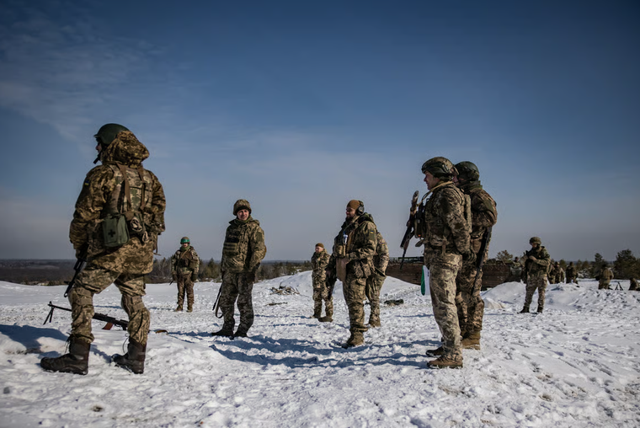
Ukraine is entering its most dangerous winter since the first days of the invasion, when Russian columns were closing in on Kiev and the country’s future depended on the resistance of its people and a few thousand anti-tank missiles donated by Britain. Then, Zelensky’s heroism, determination, and the tactical incompetence of the Russian military averted disaster. Today, heroism may not be enough.
Ukraine faces three major crises that make this winter more difficult than any before. And what makes the situation even more dangerous is the fact that Kiev's fate is no longer in its own hands alone, but depends on the will of its Western allies.
The first challenge is financial. Unless the diplomatic impasse with Belgium is resolved, Ukraine will run out of money in February 2026. Brussels has blocked a broad plan for a 140 billion euro loan backed by frozen assets of the Russian Central Bank. Belgium and, more recently, Slovak Prime Minister Robert Fico have refused, fearing lawsuits and economic retaliation from Moscow. Without this scheme, the European Union has no real alternative to supporting Ukraine, especially since the US, under the Trump administration, has cut off financial aid.
The situation is further complicated by the fact that high-level corruption investigations are erupting in Kiev. A close associate of Zelensky has fled the country, while investigations into inflated contracts in the Ministry of Defense are expected to intensify. According to Ukrainian officials, this is being used by Kiev's opponents in Central Europe and by pro-Trump politicians as an argument against continuing aid. European officials believe that the West will not abandon Ukraine, "it is too big to fail," but expect tough pressure from Brussels for deep reforms.
The second crisis is at the front. Ukraine is on the verge of losing Pokrovsk, a vital logistical hub. If the city falls, Russia will seize the initiative in the Donetsk region and open the gates to Kramatorsk and Sloviansk. Many critics in Kiev openly say that the military command made tactical mistakes, falling prey to a Russian deception in August and shifting forces at the wrong moment. Meanwhile, the numerical superiority of Russian troops in some segments of the front line reaches a ratio of 10 to 1, a decisive advantage in urban combat where drones are not enough.
Adding to the financial crisis and the battlefield, the most serious clash of this winter is the energy war. Russia is now attacking not only the electricity grid but also the gas infrastructure, on which about 60% of Ukrainians depend for heating. The October attacks destroyed up to a third of the country’s gas production, while dozens of new strikes have targeted extraction and storage facilities. The massive weekend attack left much of the country without electricity and heat. Former Energy Minister Olga Bohuslavets warns that “this winter will be harder than all the others.”
Ukraine is entering the crucial months of the war. If the allies do not move, if Pokrovsku falls, and if the power grid fails, the country may find itself forced to accept a bad peace agreement, imposed by a lack of money, a lack of force, and a lack of heat.
Winter is just a month away. The real question is: will Ukraine emerge from this winter strong enough not to be forced to surrender? / Excerpt from Politico