Protests, violence, curfews: From France to Albania, why Europe'...
/ 2026-10-20 23:47:20Focus


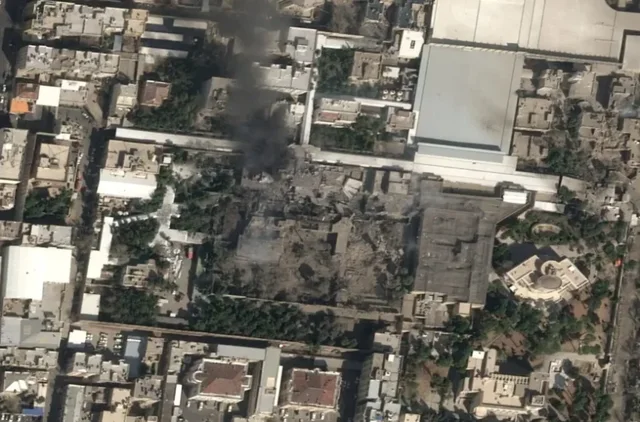
Shortly before the United States and Israel launched an attack on Iran, American media reported on a CIA operation that focused on the location of perhaps the most important target: Ayatollah Ali Khamenei, the country's supreme leader.
The NYTimes reveals that the CIA had been tracking Ayatollah Khamenei for months, gaining increasing confidence in his whereabouts and movement patterns. Then, the agency learned that a meeting of senior Iranian officials was to be held on Saturday morning at a compound in the heart of Tehran. More importantly, the CIA learned that the supreme leader would be present at the location.
Following this information, the United States and Israel decided to change the timing of the attack, in part to take advantage of the new intelligence information.
This information created a window of opportunity for both countries to achieve a quick victory: eliminating senior Iranian officials and assassinating Ayatollah Khamenei.
The unusually swift elimination of Iran’s supreme leader reflected the close coordination and intelligence sharing between the United States and Israel in the run-up to the attack, as well as the depth of information both countries had secured about the Iranian leadership, particularly in the wake of last year’s 12-day war. The operation also demonstrated the failure of Iranian leaders to take sufficient precautions to avoid exposing themselves at a time when both Israel and the United States had given clear signals that they were preparing for war.
The CIA passed on to Israel its intelligence information, which offered "high credibility" on Ayatollah Khamenei's position, according to several people briefed on the matter.
They and others who shared details about the operation spoke on condition of anonymity about secret military data and planning.
Israel, using American and its own intelligence, would carry out an operation it had been planning for months: the targeted assassination of Iran's top leaders.
The governments of the United States and Israel had initially planned to launch the attack at night, taking advantage of the darkness, but then decided to change the time, taking advantage of information about the meeting at the government complex in Tehran on Saturday morning.
Iranian state leaders had planned to gather where the offices of the Iranian presidency, the supreme leader, and the National Security Council of Iran are located.
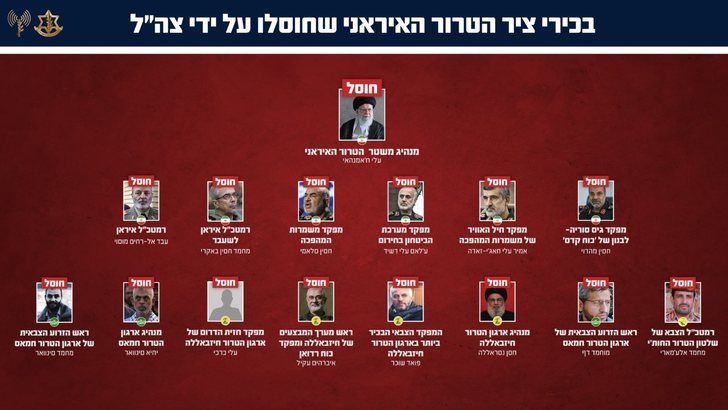
Izraeli kishte përcaktuar se në mbledhje do të merrnin pjesë zyrtarë të lartë të mbrojtjes iraniane, përfshirë Mohammad Pakpour, komandant i përgjithshëm i Korpusit të Gardës Revolucionare Islamike; Aziz Nasirzadeh, ministër i Mbrojtjes; Admirali Ali Shamkhani, kreu i Këshillit Ushtarak; Seyyed Majid Mousavi, komandant i Forcës Ajrore Hapësinore të Gardës Revolucionare; Mohammad Shirazi, zëvendësministër i Inteligjencës; si edhe të tjerë.
Operacioni nisi rreth orës 6 të mëngjesit në Izrael, kur avionët luftarakë u ngritën nga bazat e tyre. Sulmi kërkoi relativisht pak avionë, por ata ishin të armatosur me municione me rreze të gjatë dhe me saktësi të lartë.
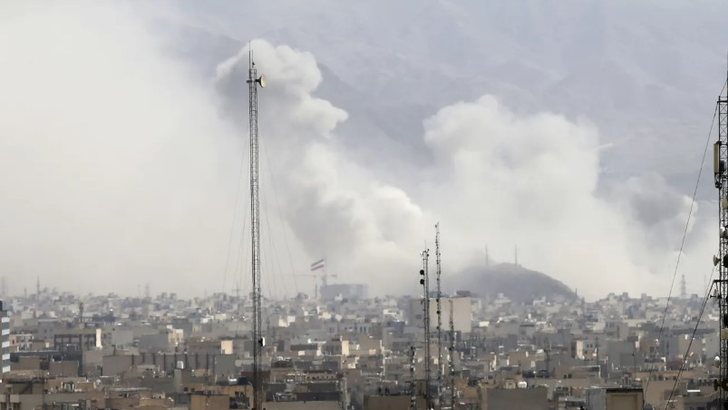
Dy orë e pesë minuta pasi avionët u ngritën, rreth orës 9:40 sipas kohës së Teheranit, raketat me rreze të gjatë goditën kompleksin. Në momentin e goditjes, zyrtarë të lartë të sigurisë kombëtare iraniane ndodheshin në një ndërtesë të kompleksit. Khamenei ndodhej në një ndërtesë tjetër aty pranë.
“Sulmi i kësaj mëngjesi u krye njëkohësisht në disa vendndodhje në Teheran, në njërën prej të cilave ishin mbledhur figura të larta të elitës politike dhe të sigurisë së Iranit”, shkroi një zyrtar i mbrojtjes izraelite në një mesazh të shqyrtuar nga The New York Times.
Zyrtari tha se, pavarësisht përgatitjeve iraniane për luftë, Izraeli arriti të të zbatonte një “befasi taktike” me sulmin ndaj kompleksit.
Shtëpia e Bardhë dhe CIA refuzuan të komentojnë.
Të dielën, agjencia shtetërore iraniane e lajmeve IRNA konfirmoi vdekjen e dy drejtuesve të lartë ushtarakë që Izraeli kishte deklaruar se i kishte vrarë të shtunën: kundëradmiralin Shamkhani dhe gjeneralmajorin Pakpour.
Personat e informuar mbi operacionin e përshkruan atë si rezultat të inteligjencës së mirë dhe pas disa muajsh përgatitjeje.
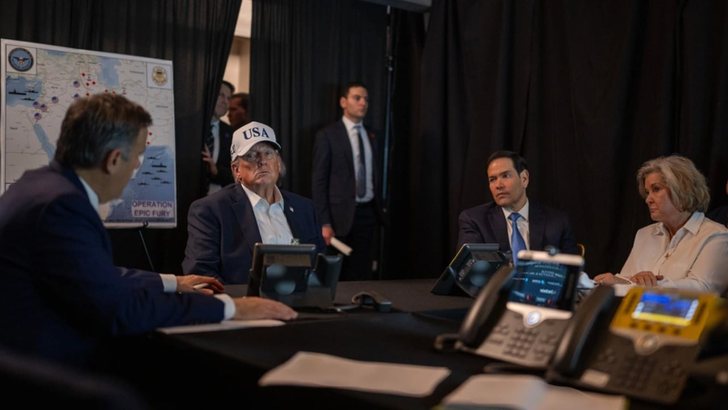
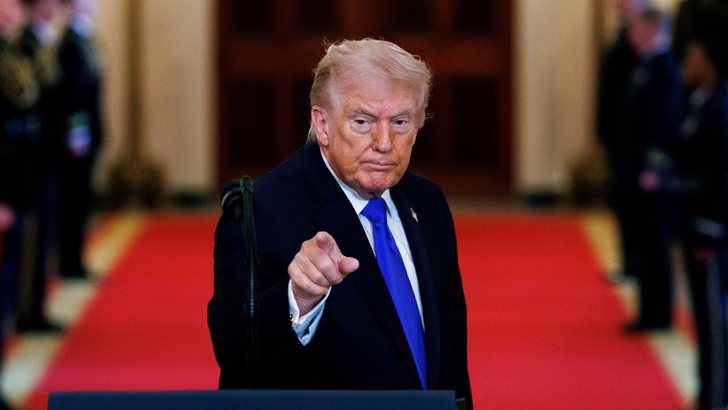
Qershorin e kaluar, ndërsa planifikimi për të goditur objektivat bërthamore iraniane ishte në zhvillim, Presidenti Trump deklaroi se Shtetet e Bashkuara e dinin se ku fshihej Ajatollah Khamenei dhe se mund ta kishin vrarë atë.
Një ish-zyrtar amerikan tha se ai informacion bazohej në të njëjtin rrjet që Shtetet e Bashkuara përdorën të shtunën.
Që atëherë, sipas ish-zyrtarit dhe të tjerëve të informuar, informacioni që SHBA ka qenë në gjendje të mbledhë është përmirësuar edhe më tej. Gjatë asaj lufte 12-ditore, SHBA mësoi edhe më shumë mbi mënyrën se si udhëheqësi suprem dhe Garda Revolucionare komunikonin dhe lëviznin nën presion. Shtetet e Bashkuara e përdorën këtë njohuri për të përmirësuar aftësinë e tyre për të gjurmuar Khamenein dhe për të parashikuar lëvizjet e tij.
Shtetet e Bashkuara dhe Izraeli kishin mbledhur gjithashtu të dhëna të sakta mbi vendndodhjet e oficerëve kyç të inteligjencës iraniane. Në sulmet pasuese pas goditjes së kompleksit drejtues të shtunën, u goditën vendet ku qëndronin drejtuesit e inteligjencës, sipas disa personave të njohur me operacionin.
The top Iranian intelligence chief managed to escape, but the upper echelons of Iranian intelligence agencies were severely damaged, according to people briefed on the operation.
New York Times