How Belinda Balluku is fabricating the rumor about Top Channel's...
/ 2026-10-19 16:19:54Focus


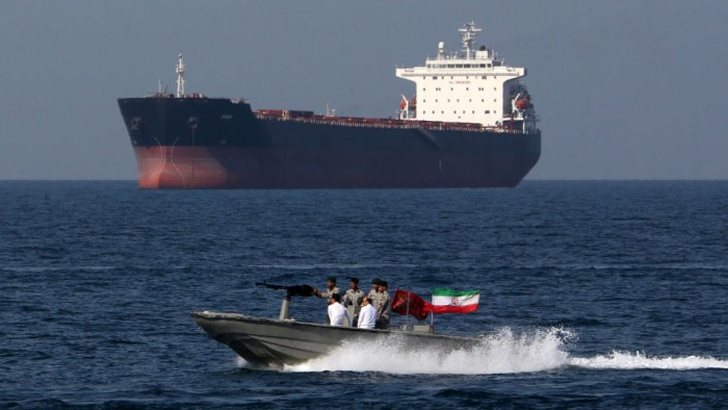
Diplomatic efforts to end the blockade of the strategic Strait of Hormuz have begun to take concrete shape. During high-level talks held this Sunday in Islamabad, representatives of Pakistan, Turkey, Egypt and Saudi Arabia, a detailed plan for the reopening and safe management of maritime traffic in this critical artery for global energy was laid out.
According to sources cited by Reuters, the core discussions have focused on creating a new regulatory and management framework for ship passage.
The international consortium and the “Suez Model”
One of the most important points proposed during the summit is the creation of a joint management consortium, consisting of Turkey, Egypt and Saudi Arabia. This regional coalition would take on the responsibility of guaranteeing and managing the oil flows passing through Hormuz, providing a neutral guarantee between the parties to the conflict.
Also, as part of the economic and logistical solution, Egypt has presented a proposal to apply a system of transit fees for ships, similar to the model that operates successfully in the Suez Canal. This system aims to cover the costs of security and joint management of the strait.
Coordination with the US and Iran
This plan is not simply an isolated initiative of the four mediating states. It is reported that proposals on regulating maritime traffic were previously sent to the White House by the Pakistani government, before the start of the meeting in Islamabad.
Moreover, diplomatic sources confirm that the idea of the consortium has already been discussed not only with the United States of America, but also with Iran, which currently has de facto control over the strait. The involvement of both warring parties in these preliminary discussions is seen as a possible signal of finding a compromise that would ease the pressure on global oil markets.
It is expected that in the coming days, the mediating states will come up with a final draft of this plan, which could pave the way for a possible trade ceasefire in the region.