Protests, violence, curfews: From France to Albania, why Europe'...
/ 2026-10-20 23:47:20Focus


The third day of the new conflict in the Persian Gulf has marked another sharp escalation in the fighting, which has stretched from the Mediterranean to the borders of Afghanistan. However, Israeli and US military leaders hope that the Iranian response has peaked and may begin to gradually fade.
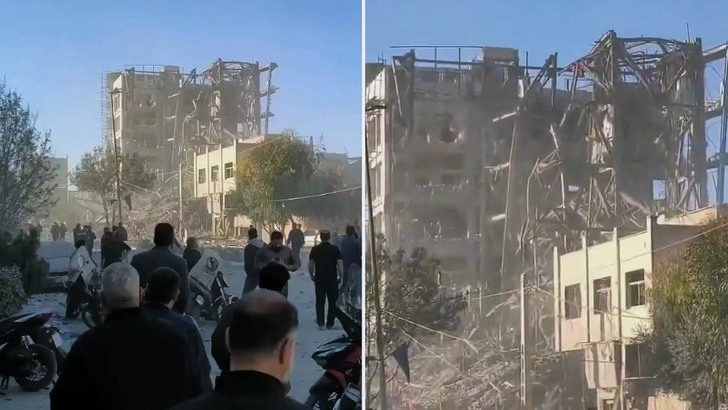
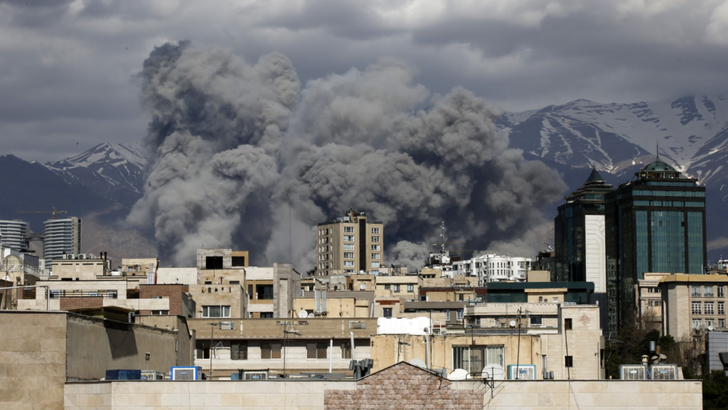
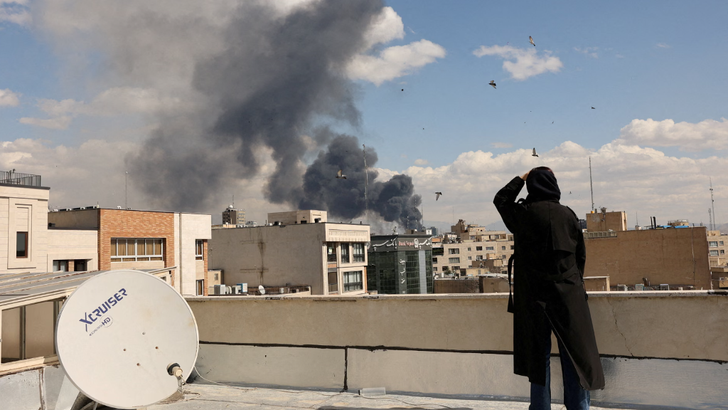
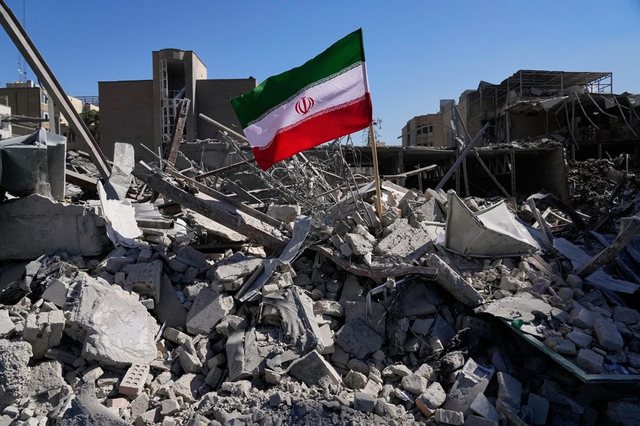
According to Israeli authorities, 600 structures have been destroyed with 2,500 bombs dropped: 20 leadership bunkers, 150 missile and launch pads, and 200 anti-aircraft systems. Meanwhile, the Pentagon speaks of 1,250 targets hit, in an air campaign in which strategic bombers B-2 Spirit and B-1 Lancer are also participating, taking off directly from American territory.
Fighter jets now operate freely over Tehran, while the entire Iranian territory is monitored by drones such as the MQ-9 Reaper and Hermes, which strike identified targets. Satellites, reconnaissance aircraft and electronic espionage constantly collect data, which is processed in real time by artificial intelligence systems such as Palantir's Maven to identify new targets.
The Iranian reaction and the difficulties
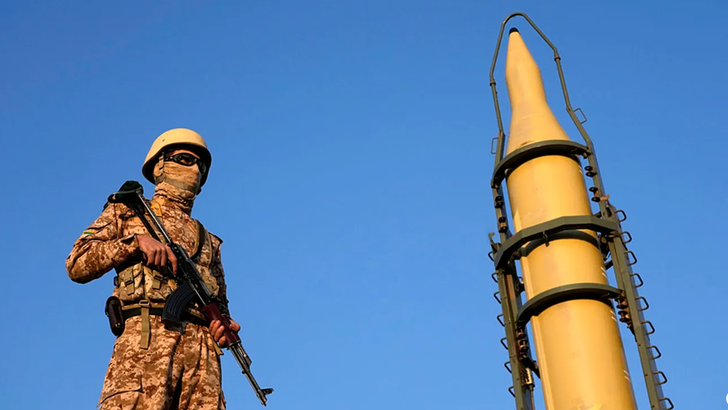
Despite the intensity of the attacks, Iran has continued to retaliate. On Sunday, waves of 9 to 30 ballistic missiles were launched towards Israel at once, testing air defenses. However, yesterday the attacks slowed down and the alerts ceased in the afternoon. This is interpreted as a sign of the Revolutionary Guards' difficulties in maintaining the pace of the counterattack.
Intelligence services estimate that hidden launch platforms, prepared before the conflict and maintained in radio silence, are depleting long-range missile reserves and making it impossible to replace them due to destruction and coordination problems.
The Southern Front and the attacks in the Persian Gulf
However, Iran remains a vast territory, five times the size of Italy. In the south, where air operations are more difficult for Israel, the main weight falls on about 50 F-18 and F-35 aircraft from the aircraft carrier "Lincoln". In this area, Revolutionary Guard units continue to launch drones and missiles towards the Gulf countries, hitting three power plants.
Two Sukhoi 24 jets managed to take off but were shot down by Qatar. Three oil tankers were hit by missiles while trying to pass through the Strait of Hormuz, while an underwater drone damaged another ship near Oman.
New objective: Security structures
Israeli commanders consider the first phase of the offensive a success. The Islamic Republic's top leaders have been eliminated, command centers destroyed, and arsenals severely damaged. The Iranian navy is reported to have lost key ships, including a drone command ship.
Since yesterday, the focus of attacks has shifted to internal security structures: the Revolutionary Guard barracks, the secret services, the Basij militia, and the police. The objective seems clear: to stoke popular discontent and encourage a domestic backlash against the regime.
So far, there have been no signs of an organized revolt, aside from sporadic celebrations following reports of Khamenei's assassination. However, there are fears that the regime could respond with harsh repression, risking an internal conflict with consequences for the entire region.
The limits of the operation and signals from Washington
Unless there is an internal collapse of the regime, the conflict could drag on. President Donald Trump has said that operations could continue for “four or five weeks, or even longer.” However, air operations require flights of up to eight hours, putting a strain on aircraft and crews, and rapidly depleting stocks of bombs and interceptors for the Patriot and Thaad systems. The Emirates and Qatar are already reportedly short of ammunition.
Without major reinforcements from the US within ten days, the pace of attacks could be significantly reduced.
Meanwhile, US Secretary of State Marco Rubio has stated that Washington's goal is not to overthrow the regime, but to eliminate Iran's arsenal of missiles and drones, considered a shield for its nuclear program. A goal that, according to him, can be achieved within a few days.
The developments of the coming hours and days will show whether the Iranian response still has the capacity to threaten the Gulf and how many weapons remain at the regime's disposal./ La Repubblica