Protests, violence, curfews: From France to Albania, why Europe'...
/ 2026-10-20 23:47:20Focus


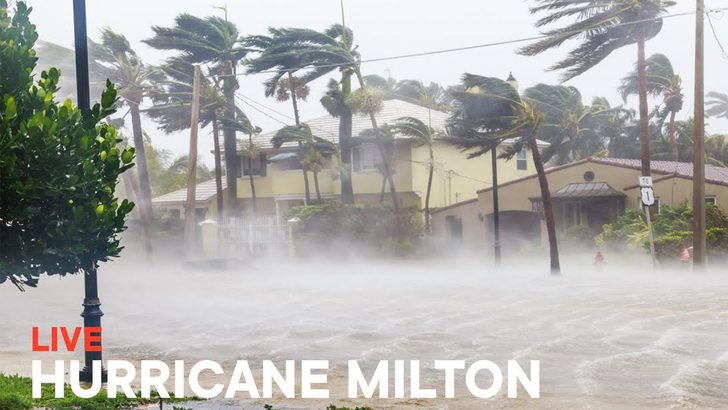
Hurricane Milton hit Florida on Wednesday, leaving behind several dead and much property damage. The dangerous storm hit with the power of a category 3 hurricane. As Voice of America correspondent Richard Green reports, 'Milton' is the second powerful hurricane in two weeks to hit the southeastern US state.
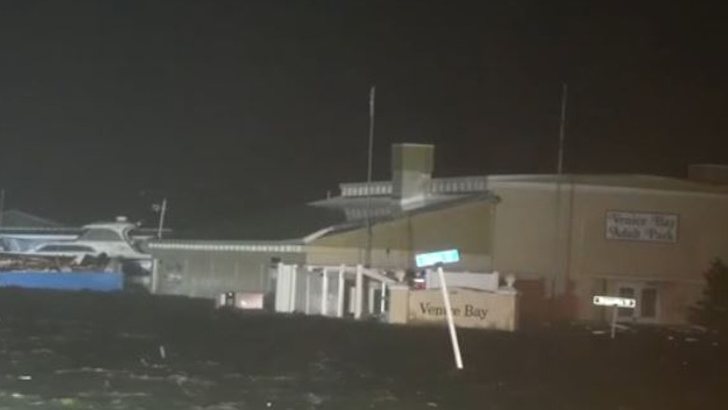
Footage from security cameras and witnesses show the power of Hurricane Milton.
The storm hit the west coast of Florida near the city of Sarasota on Wednesday evening, packing strong winds of up to 205 kilometers per hour.
Before making landfall, Hurricane Milton spawned at least 24 tornadoes. Authorities say several people died as a result of the tornadoes, which destroyed more than 100 homes, including that of Fort Myers resident Connor Ferin.
"All this happened very quickly. The windows were broken. I was here when it happened. The cat was on the table. I took the two dogs and quickly crawled under the bed. It took maybe a minute. Maybe less," he says.
Authorities say more than 3.2 million homes and businesses are without power.
The powerful winds damaged the roof of the Tropicana Stadium, of the famous baseball team 'Tampa Bay Rays'. During the hurricane, the stadium was being used as a shelter for emergency crews.
Search and rescue operations began before dawn.
"We had over 80,000 people in shelters the night the storm hit. We will understand the extent of the damage as the day goes on. We have teams that are currently assessing the damage. Emergency teams have been working throughout the night to help people in need. We can say the storm was powerful, but thankfully it wasn't the worst case scenario," said Florida Governor Ron DeSantis in his first comments this morning after the storm.
Heavy rainfall brought high water levels from the Gulf Coast to low-lying areas of the cities of Tampa, St. Petersburg, Sarasota and Fort Myers.
The National Hurricane Center said Thursday morning that Milton had the strength of a Category 1 storm as it moved through central Florida.
Forecasters warned of "damaging rain and gusty winds" throughout the day before the storm moved out into the Atlantic Ocean.
Scientist Hannah Cloke warns that climate change will make storms like Hurricane Milton more frequent and severe.
"It will also affect the types of hurricanes we will experience. There is some evidence that they will be stronger, with more tornadoes and of course, because of climate change, there will be more intense rainfall," she says. .
Many of the communities that were hit by Hurricane Milton; have not yet recovered from the consequences of hurricane 'Helene' which last month caused the death of over 200 people and large floods mainly in the western part of North Carolina and in the east of the state of Tennessee.
Comparison between Milton and Hurricane Helen?
Many of the communities affected by Milton were hit last month by Hurricane Helene and have yet to recover from its aftermath. The hurricane caused the death of more than 200 people and catastrophic flooding mainly in western North Carolina and eastern Tennessee.
At its most intense, Hurricane Helene was a Category 4 storm with sustained winds of about 140 mph. Milton quickly outgrew it, becoming a Category 5 storm within hours with sustained winds of 175 mph. On Wednesday Milton weakened somewhat, downgrading to a Category 4 hurricane and further down to a Category 3.
The five most powerful Atlantic hurricanes?
Milton is now the fifth most powerful hurricane on record in the Atlantic. The most intense hurricane on record before it was Wilma in 2005, followed by Gilbert in 1988, the one known as the Labor Day hurricane of 1935, and Rita in 2005. / VOA