How Belinda Balluku is fabricating the rumor about Top Channel's...
/ 2026-10-19 16:19:00Focus


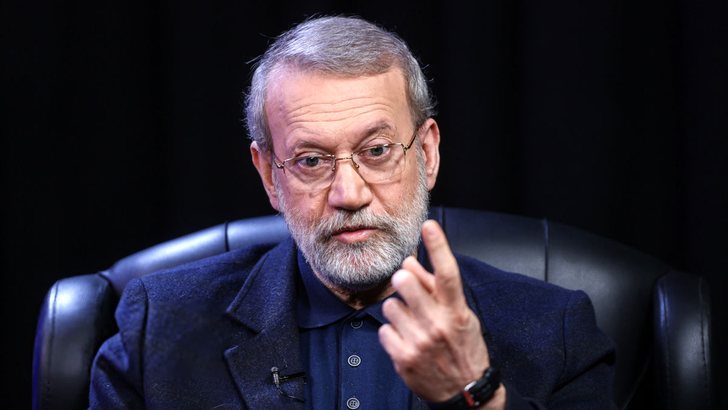
Israeli forces claim to have killed Ali Larijani, the head of Iran's National Security Council, a key figure in the regime and closely linked to the Revolutionary Guard.
Israel's announcement comes at a tense period between the two countries, while Iranian authorities have yet to react.
Larijani, 67, was one of Iran's most important leaders in recent months. He was seen as a key figure in the suppression of popular protests in January and later as part of the transition that followed the death of Supreme Leader Ali Khamenei.
He has long-standing ties to the Iranian Revolutionary Guard Corps (IRGC) and has become an emblematic figure of the regime. Even last week, Larijani attended a public rally in Tehran, indicating that he was still a prime target for Israel.
During his career, Larijani has served in various senior roles: he was a commander in the IRGC during the Iran-Iraq War in the 1980s, then moved into political office as speaker of parliament for 12 years and Iran's chief nuclear negotiator. Since 2004, he has been an adviser to the Supreme Leader on security matters, and since last year's conflict with Israel he has been a key leader on the National Security Council, making strategic decisions for the country's security.
Larijani comes from an influential clerical family; one of his brothers, Sadegh, is an Ayatollah and former head of Iran's judiciary. He is also an accomplished academic, trained in mathematics and computer science at Sharif University of Technology and has a doctorate in philosophy from the University of Tehran.
Analysts describe him as a pragmatist, not an extreme ideologue, but committed to the survival of the Islamic Republic. He has often promoted tough strategies against the US and Israel and has played a crucial role in shaping Iran's security and war policies.
According to Israel, Larijani's assassination constitutes a "targeted elimination" of a key Iranian leader. There has been no confirmation or reaction from Iranian authorities yet, and the news has not been reported by state media.
The event is expected to increase tensions in the Middle East and could have immediate consequences for regional relations and international security.