How Belinda Balluku is fabricating the rumor about Top Channel's...
/ 2026-10-19 16:19:00Focus


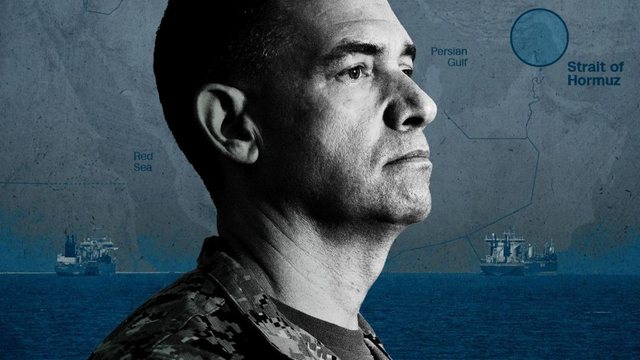
At a time when the Middle East is at the center of a conflict of unprecedented proportions, the attention of Washington and the world is focused on a single man: Admiral Brad Cooper.
As head of US Central Command (CENTCOM), he has taken on the colossal task of leading the joint US-Israeli military campaign against Iran, implementing a war plan that has been sitting in the Pentagon's drawers for years.
From the front lines of danger to the tables of Washington
To understand Cooper’s leadership, one must go back in time to the height of the Red Sea crisis. When Houthi rebels were attacking merchant ships and paralyzing one of the world’s most critical waterways, Cooper — then deputy commander of CENTCOM — refused to direct operations from a secure office. He went to sea himself to sail with his young officers under the threat of missiles. According to defense officials, this approach demonstrated his ability to connect the harsh realities of the battlefield with the broader military strategy.
But Cooper is not just a field soldier. Unlike his predecessor, General Michael “Erik” Kurilla — who was known as a tough figure and a quiet combat operator — Admiral Cooper is often described as a “politician” in uniform. His experience as a White House aide and chief of legislative affairs for the Navy has equipped him with a rare instinct to navigate the dangerous waters of the Persian Gulf with equal ease as the intricate corridors of power in Washington.
The architect of the naval alliance with Israel
One of Admiral Cooper's strongest assets in this conflict is his deeply trusted relationship with the top brass of the Israel Defense Forces (IDF). This bond was forged during his time as commander of the Navy's Fifth Fleet in Bahrain, where he initiated unprecedented cooperation by deploying liaison officers between the U.S. and Israeli navies.
Today, he maintains daily contact with the Israeli army chief, Lieutenant General Eyal Zamir. It was this close relationship and cross-regional coordination that served as the foundation for the planning and execution of the recent joint attacks on Iranian strategic and nuclear facilities.
The cost of war and an uncertain end
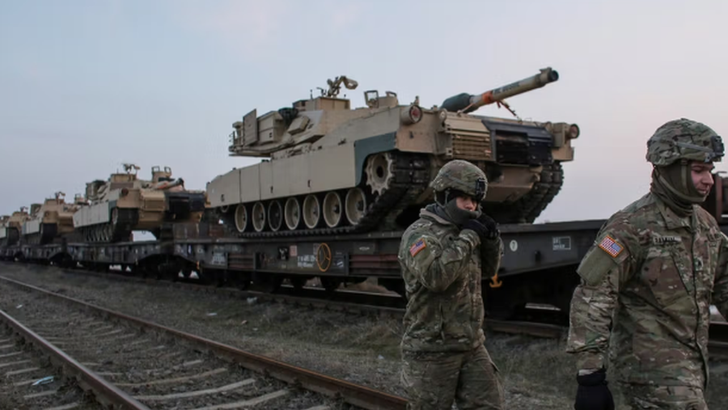
Despite the tactical successes, Admiral Cooper's position is not easy. The expansion of the war is coming at a heavy cost. Global energy markets are in panic due to threats over the Strait of Hormuz, while the human toll is mounting: at least 13 American service members have been killed and 140 others have been injured.
At the same time, political pressure on CENTCOM is mounting after incidents with civilian casualties in Iran. Cooper finds himself in a classic, but extremely difficult position for a senior commander: he must maintain control and successfully direct the military campaign in the Middle East until President Trump's administration in Washington makes the political decision on how and when to close this bloody chapter.