Is this police force professional and capable of handling violen...
/ 2026-10-16 18:54:07Focus


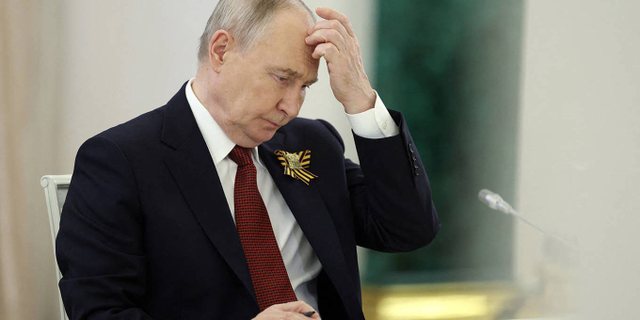
Since launching his full-scale invasion of Ukraine more than four years ago, Russian President Vladimir Putin has not only failed to achieve the military victory he desired.
He has also undermined a number of other relationships he built over decades, leaving Russia more isolated than it has been since the early days of the Bolshevik Revolution.
The invasion of Ukraine alone was enough to drive a wedge between Russia and its ally, Kazakhstan.
Moreover, Putin has a history of downplaying Kazakhstan's grounds for independent statehood and suggesting that its people want closer ties with Russia—claims that echoed those Putin makes about Ukraine.
Thus, after the 2022 invasion, Kazakh President Kassym-Jomart Tokayev rejected the Kremlin's requests for assistance, and later told Putin that Kazakhstan would not recognize the Russian-backed separatist regions in Ukraine.
He also signed a military cooperation agreement with Turkey, becoming the first member of the Russian-led Collective Security Treaty Organization (CSTO) to establish such an agreement with a NATO member.
While Putin's relationship with Tokayev has improved since then, this perhaps reflects the fact that both sides still need each other.
Then there’s Armenia. When Azerbaijan launched a military operation in September 2023 to take control of Nagorno-Karabakh, the ethnic Armenian enclave within its territory, the Russian peacekeepers stationed there did nothing, and the enclave’s entire population—about 100,000 people—was forced to flee.
Within a year, Armenia had announced plans to withdraw from the CSTO and was buying weapons from France and India. Russia withdrew its peacekeepers from the region ahead of schedule.
The Kremlin also managed to damage relations with Azerbaijan, which benefited from Armenia's betrayal. In December 2024, a Russian surface-to-air missile shot down an Azerbaijan Airlines passenger plane, killing 38 people.
Azerbaijani President Ilham Aliyev demanded compensation and accountability from the Kremlin, but Putin refused to accept blame for nearly a year. Meanwhile, Aliyev ignored Putin by not attending Russia’s annual World War II Victory Day parade in May 2025; Russian special forces carried out a deadly attack on ethnic Azerbaijanis in Yekaterinburg; and Azerbaijan attacked the Baku office of Sputnik, the Russian state media outlet, arresting its staff.
But Azerbaijan serves as a crucial trade corridor to Iran, which, until the United States and Israel launched the war in February, was supplying Russia with drones and ballistic missiles for its war in Ukraine.
Për të mbajtur korridorin të hapur, Kremlini u detyrua të gëlltiste ofendimin nga Azerbaixhani, dhe në tetor 2025, Putini më në fund pranoi se sistemet ruse të mbrojtjes ajrore kishin rrëzuar avionin dhe bëri një ofertë të paqartë për kompensim.
Ndërsa kjo kërkimfalje pro-forma hapi rrugën për rivendosjen e marrëdhënieve, episodi përbënte një gabim të madh në politikën e jashtme për Rusinë. Nga carët te sovjetikët, udhëheqësit e Kremlinit për shekuj me radhë kishin menaxhuar me mjeshtëri tensionet midis Armenisë dhe Azerbajxhanit.
Megjithatë, që nga nisja e luftës së tij në Ukrainë, Putini ka arritur të përkeqësojë marrëdhëniet me të dyja palët.
Në Siri, Rusia kaloi gati një dekadë duke mbajtur në këmbë regjimin e Bashar al-Asadit, duke kryer sulme ajrore dhe duke dislokuar forca tokësore kundër forcave kryengritëse, ndërkohë që i siguronte Asadit mburojë diplomatike në Këshillin e Sigurimit të Kombeve të Bashkuara.
Në këmbim, Rusia ruajti kontrollin mbi bazën detare të Tartusit dhe bazën ajrore të Hmeimimit.
Por në nëntor 2024, forcat kryengritëse siriane nisën një ofensivë surprizë, ndaj së cilës ushtria ruse—e lodhur nga lufta në Ukrainë—nuk mundi të përgjigjej në masë të madhe. Brenda pak ditësh, ranë Alepo dhe Damasku, dhe Asadi u arratis në Moskë.
Për të gjithë atë investim, Rusia përfundoi me asgjë.
Historia e tejkalimit të kufijve nga Rusia në Afrikë është po aq e turpshme. Para luftës në Ukrainë, mercenarët e Grupit Wagner po zgjeronin ndikimin rus në të gjithë kontinentin, duke shkëmbyer kontrata sigurie për besnikëri politike dhe të drejta për minierat.
Në Mali, për shembull, ata u pozicionuan si mbështetje thelbësore për juntën ushtarake në luftën e saj kundër forcave xhihadiste.
Por në vitin 2024, rebelët Tuareg bënë pritë një konvojë të ushtrisë së Malit dhe Wagner-it pranë Tinzaouatenit, duke vrarë dhjetëra mercenarë rusë. Më pas, xhihadistët sulmuan aeroportin dhe akademinë kombëtare të xhandarmërisë në Bamako. Narrativa se Wagner po e bënte Malin më të sigurt ishte bërë e papranueshme.
Ndërsa disa forca, të riemërtuara si “Korpusi i Afrikës”, mbetën pas pasi Wagner u largua zyrtarisht nga Mali në qershorin e kaluar, edhe ato tani janë tërhequr.
Gjërat nuk janë më të mira as për Putinin në Evropë. Kryeministri hungarez lakeu i Rusisë, Viktor Orbán, u votua së fundmi jashtë detyrës pas 16 vjetësh në pushtet.
Presidenti serb Aleksandar Vučić, nga ana e tij, ka qenë duke lëvizur me kujdes për t’u mbrojtur: megjithëse Serbia në fillim dukej se mbështeste pushtimin e Ukrainës nga Rusia, Vučić që atëherë është takuar disa herë me presidentin ukrainas Volodymyr Zelensky dhe ka eksportuar municion me vlerë të paktën 908 milionë dollarë në Ukrainë përmes vendeve të treta (Bullgarisë, Republikës Çeke dhe Polonisë).
Vucic has also canceled military contracts with Russian arms suppliers, instead signing a 2.7 billion euro deal with France for 12 Rafale fighter jets. But Putin has so far chosen not to react.
The last thing he needs is to consolidate the loss of one of his last visible allies in Europe.
Meanwhile, Putin's longtime client, Belarusian President Alexander Lukashenko, has released political prisoners in an effort to improve relations with the West—and has even had contact with US President Donald Trump.
Although “Europe’s last dictator” is not breaking with the Kremlin, he is preparing an escape route—and raising the stakes even further.
Then there is China.
Before the war in Ukraine, Russia and China were portrayed as two great powers resisting Western domination and boasting of their “boundless partnership” shortly before the invasion. But the relationship today looks more like an unequal marriage of self-interest than an alliance of two equally powerful parties. China supplies Russia with dual-use goods, such as microelectronics and tools—not weapons—while Russia sells China oil and gas at discounted prices.
Perhaps Russia's most loyal friend today is North Korea, which deployed more than 10,000 soldiers to fight alongside Russian forces in the Kursk region, following Russia's invasion of Ukraine in August 2024. But even this relationship is fundamentally transactional, based on shared insecurity and hostility toward the West.
Putin believed that invading Ukraine would restore Russia's status as a great power, erode Western influence, and accelerate the transition toward a multipolar international order.
On the contrary, he has destroyed the Kremlin's credibility as a partner and ally.
Russia still has nuclear weapons, a permanent seat on the UN Security Council and vast energy reserves, but the war in Ukraine has left it severely weakened and unable to exert influence and shape world affairs in any way other than the threat of war. (Project Syndicate )