Protests, violence, curfews: From France to Albania, why Europe'...
/ 2026-10-20 23:47:20Focus


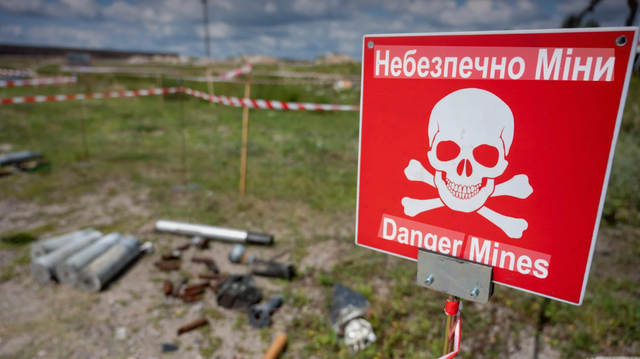
Several Eastern European countries are planning a minefield along their borders with Russia and Belarus. The aim is to protect NATO's eastern flank from a possible Russian attack.
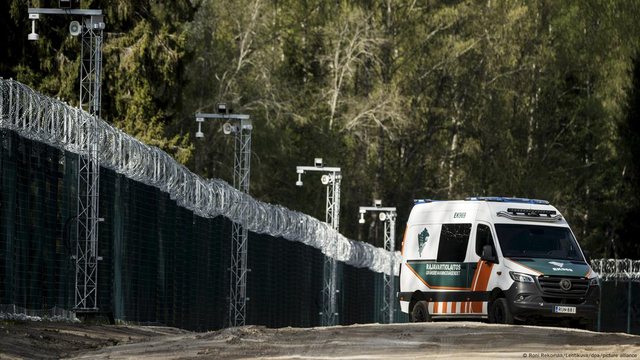
Since the start of Russia’s aggressive war against Ukraine in February 2022, there has hardly been a more pressing question for NATO than how to better protect its eastern flank. Finland, Estonia, Latvia, Lithuania and Poland are five of the six NATO countries that share a border with Russia and/or Belarus. Since 2022, these countries have invested heavily in better securing these borders – for example, through barbed wire fences and surveillance systems. Now a new plan is being added: landmines.
Withdrawal from the Ottawa Convention
In recent months, five NATO countries have announced their gradual withdrawal from the so-called Ottawa Convention. This treaty, concluded in 1997 and which entered into force two years later, bans landmines worldwide and prohibits their use, production and transfer. These mines are highly controversial, among other things, because they can indiscriminately strike both soldiers and civilians. Furthermore, the remaining mines pose a long-term threat even after a conflict has ended. In 2023 alone, almost 6,000 people worldwide were killed or injured by landmines - 80 percent of the victims were civilians, including many children. Mine clearance is dangerous, expensive and extremely time-consuming.
The withdrawal of the five NATO states is expected to become official, with only Norway, which also shares a nearly 200-kilometer border with Russia, intending to stay in the agreement. Starting at the end of the year, the five NATO countries that have withdrawn can resume producing and storing landmines near their borders, which can then be deployed quickly and on a massive scale in the event of an emergency.
In total, 164 countries around the world have signed the Ottawa Convention, but 33 are not parties to it. These include the major powers, the United States, China, as well as Russia. The Kremlin has by far the largest stockpile of landmines in the world - Russia is estimated to possess 26 million. Many of them are already in use in Ukraine.
Millions of mines in the forests?
Sipas organizatës joqeveritare "Handicap International", 58 vende dhe mjaft zona të tjera janë ende të kontaminuara me mina tokësore - edhe nëse konfliktet datojnë dekada më parë.
E megjithatë, në rastin më të keq, mund të shtohen zona të tjera të mëdha vetëm brenda pak vitesh. Kufiri midis pesë shteteve të NATO-s dhe Rusisë e Bjellorusisë është afërsisht 3,500 kilometra i gjatë - nga Laplanda finlandeze në veri deri në provincën polake të Lublinit në jug. Pjesa më e madhe e këtij territori është e populluar pak dhe mjaft e pyllëzuar duke e bërë të vështirë mbikëqyrjen e vazhdueshme të brezit kufitar.
Por shqetësimet për një sulm të mundshëm rus ndaj territorit të NATO-s janë të mëdha. Aq të mëdha saqë këto vende tani mund të përdorin armë që bota donte t'i ndalonte dhe t'i shfuqizonte. Sipas një raporti të gazetës britanike Telegraph, ekspertët e NATO-s tashmë po analizojnë se cilat zona mund të merren në konsideratë për miniera të mundshme. Qëllimi i vendeve të NATO-s është parandalimi maksimal: Së bashku me masat e tjera të sigurisë kufitare, ky brez minash ka për qëllim t'i shkaktojë humbje kaq të rënda armikut që po përparon në rast të një sulmi rus, saqë Moska të përmbahet nga një luftë e zgjatur.
Perde e re e Hekurt
Për të mbrojtur vërtet në mënyrë efektive këtë brez të gjatë kufitar, me gjasa do të jenë të nevojshme miliona mina dhe kurthe shpërthyese. Kjo masë do të bënte zona të pabanueshme për dekada të tëra dhe dëmi për njerëzit dhe mjedisin do të ishte vështirë i parashikueshëm.
David Blair, korrespondent i huaj për The Telegraph e ka cilësuar këtë një "Perde të Hekurt" të re, shpërthyese - duke aluduar për kufirin mjaft të midis NATO-s dhe shteteve të Paktit të Varshavës gjatë Luftës së Ftohtë. Paralelisht me vendosjen e mundshme të minave, shtetet e NATO-s në Evropën Lindore kanë ndërmarrë shumë masa të tjera. Gardhe dhe mure kufitare janë ndërtuar ose përforcuar tashmë, janë instaluar sisteme moderne mbikëqyrjeje dhe paralajmërimi të hershëm, dhe kontingjentet e trupave ushtarake janë rritur.
Disa nga vendet fqinje planifikojnë gjithashtu të vendosin sisteme mbrojtëse me dronë përgjatë kufirit, të thellojnë sistemet e ujitjes në mënyrë që ato të mund të përdoren si llogore në rast emergjence, ose të mbjellin pemë përgjatë rrugëve të rëndësishme për të siguruar mbrojtje vizuale për civilët dhe ushtarët.
E nevojshme apo e papërgjegjshme?
One of the most vulnerable countries along NATO's eastern border is Lithuania. Concerns about a possible Russian attack are particularly high. Lithuania alone plans to invest around 800 million euros in the production of new mines in the coming years. Lithuania's Defense Minister, Dovila Sakaliena, defended the mine plans, speaking of an "existential threat" to his country. Moreover, when Russia has been producing more and more landmines recently, while Europe has been destroying its stockpiles under the terms of the Ottawa Convention.
Eva Maria Fischer, Advocacy Director at Handicap International Germany, told DW that this is a dangerous and worrying development. "Of course, concerns about the security of Eastern European states can be justified in the current unstable international context," Fischer said in March, when the first of the five NATO states announced their withdrawal plans. "However, long-term security cannot be built on weapons that kill indiscriminately, remain in the ground long after the conflict is over, continue to maim civilians and destroy nature."
"There are alternatives to defending a country," Fischer said. "These may seem more expensive, but they are not when you consider the huge subsequent costs of using landmines."/ DW